Shadows in the Cave: The World of Henry Orient


The World of Henry Orient (1964, dir. George Roy Hill)
Starring Tippy Walker, Merrie Spaeth, Peter Sellers, Angela Lansbury, Tom Bosley

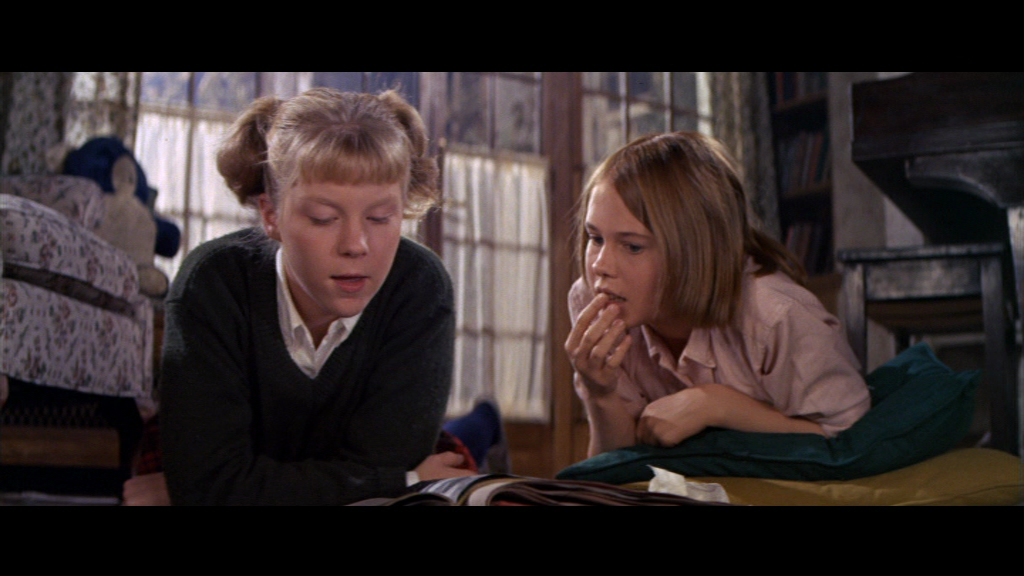
When I see George Roy Hill’s name I think of The Sting or Butch Cassidy and the Sundance Kid. I never expected this small, delightful film. This is one of those pictures where New York City is a player along with the actors. There’s that sort of innocent magic about the city as seen through the eyes of our adolescent protagonists. And despite Peter Sellers receiving top billing, this is most definitely not his film. While I love Sellers, I would have hated for his character overshadow the performances of the two young women in the leads. He works perfectly as the awkwardly charismatic pianist paranoid over the two young girls he believes are stalking him. And as life imitates art, Sellers was actually dealing with a real life stalker during the filming of Henry Orient.

Marian (Spaeth) meets Val (Walker) one morning on the first day of school at St. Mary’s. The two hit it off splendidly and Marian quickly learns of Val’s highly imaginative nature and penchant to go on adventures in the city. During an excursion in Central Park, they happen across a man and woman in the throes of passion. The man spies them and they run off. Later the same day, they run into the man again and eventually learn this is Henry Orient (Sellers), a well known avant garde pianist. Val becomes obsessed with him and dreams that she will eventually woo the befuddled man. From Henry’s perspective these two little girls are harbingers of doom and possibly spies for the husband of the woman he is seeing. The film perfectly balances the comedic misunderstandings and the coming of age story that centers around Val. Her parents (Lansbury and Bosley) come into town and we immediately see that Val’s mother exhibits a strong coldness around her.

The film lives and dies on the performances of the two female leads, and thankfully they picked two great unknown actress for the roles. There’s some interesting elements, particularly in the third act that feel very much of the time, but I’d like to think director Hill was going against the grain up until that point in the film. The girls are very much kids, while parents pressure them to socialize with boys, they really have no interest. They would rather play and, when Val does develop a “crush” on Henry, its never done with any seriousness. Its simply a continuation of the imagined world she and Marian have invented. You can tell Hill actually cares about these two and shows them as three dimensional, intelligent young women, not yet bogged down by the seriousness of the adults. Its reflected in how scenes featuring adults in the movie are never as interesting as the ones with the kids.

It’s interesting to note that rather than casting “superstars”, Hill opted to go with two unknowns and Sellers who was famous, but not as much as other comedic actors. Originally, it looked like the three roles would go to Hayley Mills, Patty Duke, and Dick Van Dyke, and while they are all great actors, the film would not feel as special. The movie evoked such strong emotions of happiness from me, reminding me of the way it feels when summer starts to turn to fall and how intimate and safe the worlds you imagine as a youth can feel. The film has been retold with a contemporary slant in Ghost World (the film moreso than the comic book) and a poster for Henry Orient even pops up in that picture. The film’s greatest feat is balancing adult themes and ideas while never diminishing the sense of joy and play. A great picture that deserves to be known by a larger audience.
Tune-age: Arcade Fire – "Suburbs"

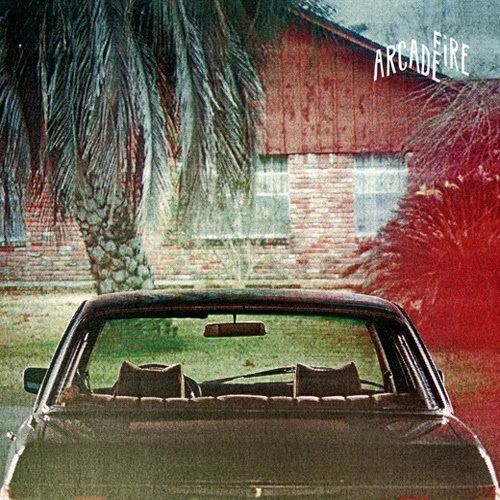
Arcade Fire – Suburbs (2010, Merge Records)

To try and define the Arcade Fire’s sound is an impossible task. When I first heard “Wake Up” in Brent Hamric’s car in the spring of 2004 I immediately thought of The Flaming Lips. One track later and that was changed. Three albums later and they are still too eclectic to pin down. A lot of music critics wait like vultures for the bands they love or others love to slip up, so that they can pounce and claim that the grandeur that once was is lost. Arcade Fire seems to dare them to try it, by dropping the dark gloom of Neon Bible and adopting a more pop-folk vibe. There’s some familiar sounds to bring you back in, but then suddenly things change up and we hear some arrangements and instruments that show the band is still testing its limits.

It seemed a natural fit for Arcade Fire to score a film, and they did so last fall for Richard Kelly on The Box. While the music there resembled Bernard Hermann more than any of their typical music, they still have a cinematic sound in this latest album. It’s a very West Coast, bouncier collection of songs. Every few tracks there’s that dark underscoring that comes through, but for the most part this is a pop-ier album, very much music you could dance to. Like all their work, the cinematic qualities come from the story being told in the lyrics. Each album has felt like a dystopian novel, touching on themes of the end of our civilization. It sounds like heavy material to be working with, but they manage to make tracks that you tap your foot to. The voices in these song stories are typically disaffected twenty-somethings reflecting on the desolation around them.

The opening track “The Suburbs”, has a bouncy piano underscoring the song which came as quite a jolt when I started the album. For the first time on their albums, I find lead singer Win Butler sounding like a spiritual successor to Neil Young. And this opening song, like a couple others, have a folk-rock element to them. “Ready to Start” is the track you expect to hear on an Arcade Fire album, there’s pounding drums and alt-pop guitar riff. References are made in the lyrics to “the kids”, a recurring noun in all their albums, that seems to represent youth in general who has an awareness above the adults. “Modern Man” is back in Neil Young country, but also made me think of some of The Talking Heads’ work in the early 1980s and is a song I would not have guessed was an Arcade Fire song if I didn’t already know it. “Rococo” seems to be a mix of expected elements and this new West Coast folk sound being incorporated now. “The kids” are back again, a force of apathetic destruction, constructing massive pillars of junk to burn down. “Empty Room” begins with some wonderfully light strings and then turns into a classic right out of the standard playbook, with some very Kate Bush like vocals led by Chassagne Butler. “City With No Children” evokes thoughts of *gasp* Bruce Springsteen, a comparison I never thought I would make. There’s a strong of sense of small town nostalgia woven through the song and even the arrangement feels like a track off Thunder Road.

“Half Light I” and Half Light II” continue the nostalgia trip, and I have a feeling the band made this album as homage to their own youths growing up in the 1980s and the music that filled their lives during that time. It is a good explanation for how the album is able to evoke memories of so many different artists of that time, yet is still able to not go off the rails. “Suburban War” comes back to Springsteen but not as heavily, its much more Arcade Fire gloomy. “Month of May” is yet another splash of ice cold water as the band is backed by the unceasing guitar of what could easily be a Ramones song and more mentions of “the kids” as a defiant force of purity. “Wasted Hours” is back to folk pop guitars and continues the themes of adolescents tooling around the desolate wastes of Southwestern small towns and looking back on this time as something to be missed. “Deep Blue” is one of the few tracks where Win stands alone, his voice turned into an echo-y voice mourning the past, but also makes use of that same bouncy piano rhythm from the first track. “We Used to Wait For It” continues on from “Deep Blue”, now talking about the time spent by youth in anticipation of the future, only to look back on their youth as adults and want to somehow return to it. “Sprawl I (Flatland)” is Win Butler returning to his childhood home, singing out from open landscape and becoming lost looking for it. This is a track so full of narrative elements, it makes you want the band to compose an opera. And where that songs leaves us mournful, “Sprawl II (Mountains Beyond) is a chorus of angels beyond the hills that surround this small town lifting our protagonist up and away. The album wraps up with a short and haunting track, reprising the opening song, where Win states that if he could have the time back he wasted as a child, he’d simply waste it again.

Arcade Fire proves that they are about revisiting the same ideas thematically, but constantly experimenting with their sound. This by far the most listener friendly album they have released and every track could easily find a place in the radio rotation. They take a lot of chances and flirt with mainstream sounds, only insomuch as they hearken back to brothers Win and Reg Butler’s youth in the suburbs outside of Houston. For all its slightly dark atmosphere at times, there’s a revelry in being a kid without responsibilities or being forced mete out time as a valuable commodity. A great album from one of the best bands of the 21st century.