
Honorable Mentions: Longlegs, Cuckoo, Love Lies Bleeding, Sasquatch Sunset, Furiosa, In a Violent Nature, Ghostlight, Janet Planet, Rebel Ridge, Good One, The Apprentice, Problemista, The Boy and The Heron, Last Summer, Flow, and All of Us Strangers
His Three Daughters (directed by Azazel Jacobs)
Listen to our full review here
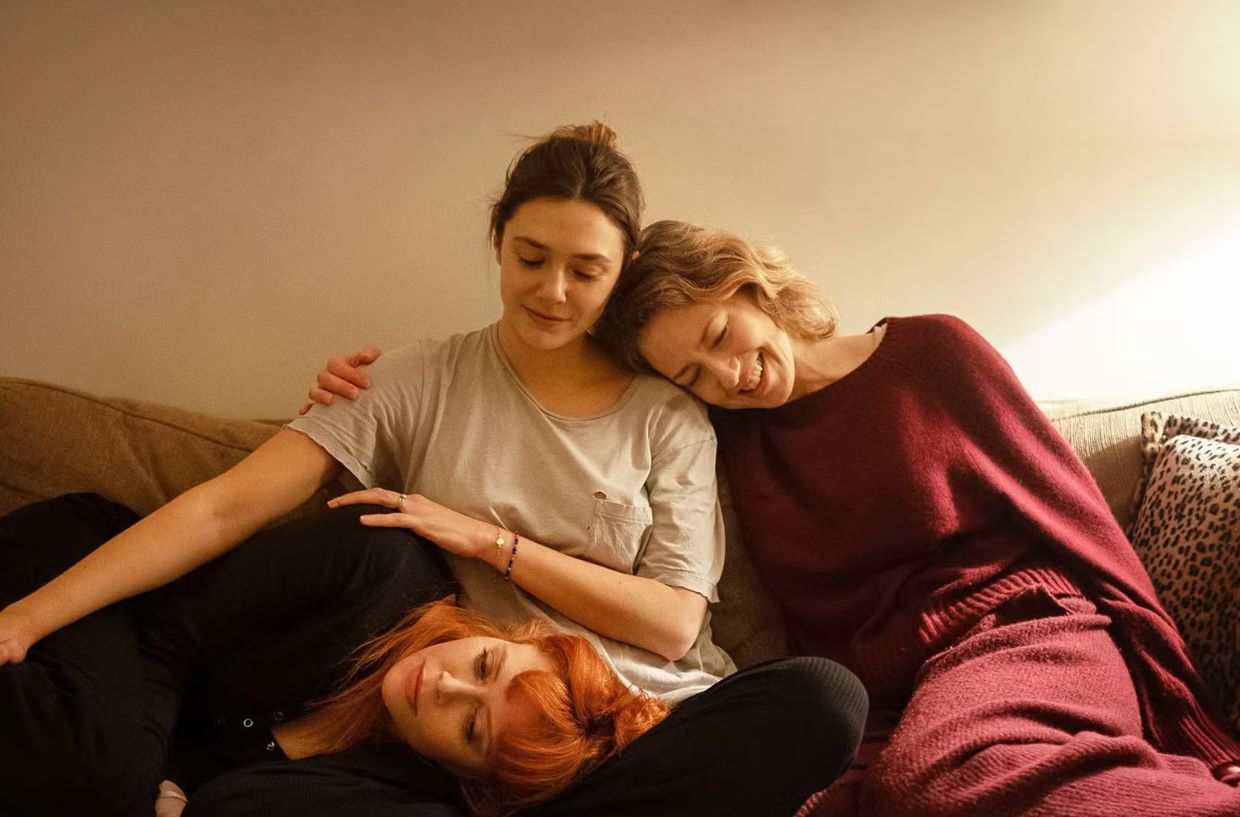
Three women (Natasha Lyonne, Carrie Coon, Elizabeth Olsen) come together as their father is in the final days of hospice care. The audience is thrown into the middle of the situation, quickly figuring out that these sisters’ relationships are tenuous at best. Coon’s middle child swoops in and tries to take over the situation from eldest child, Lyonne. The youngest child, Olsen, is considered a flighty, flakey type but pushes back on her sister’s misconceptions about her. Azazel Jacobs has constructed a very human story about aging and family that never drowns in maudlin sentiment. This mix of empathy and reality is one of the best films I saw all year.
A Different Man (directed by Aaron Schimberg)
Listen to our full review here
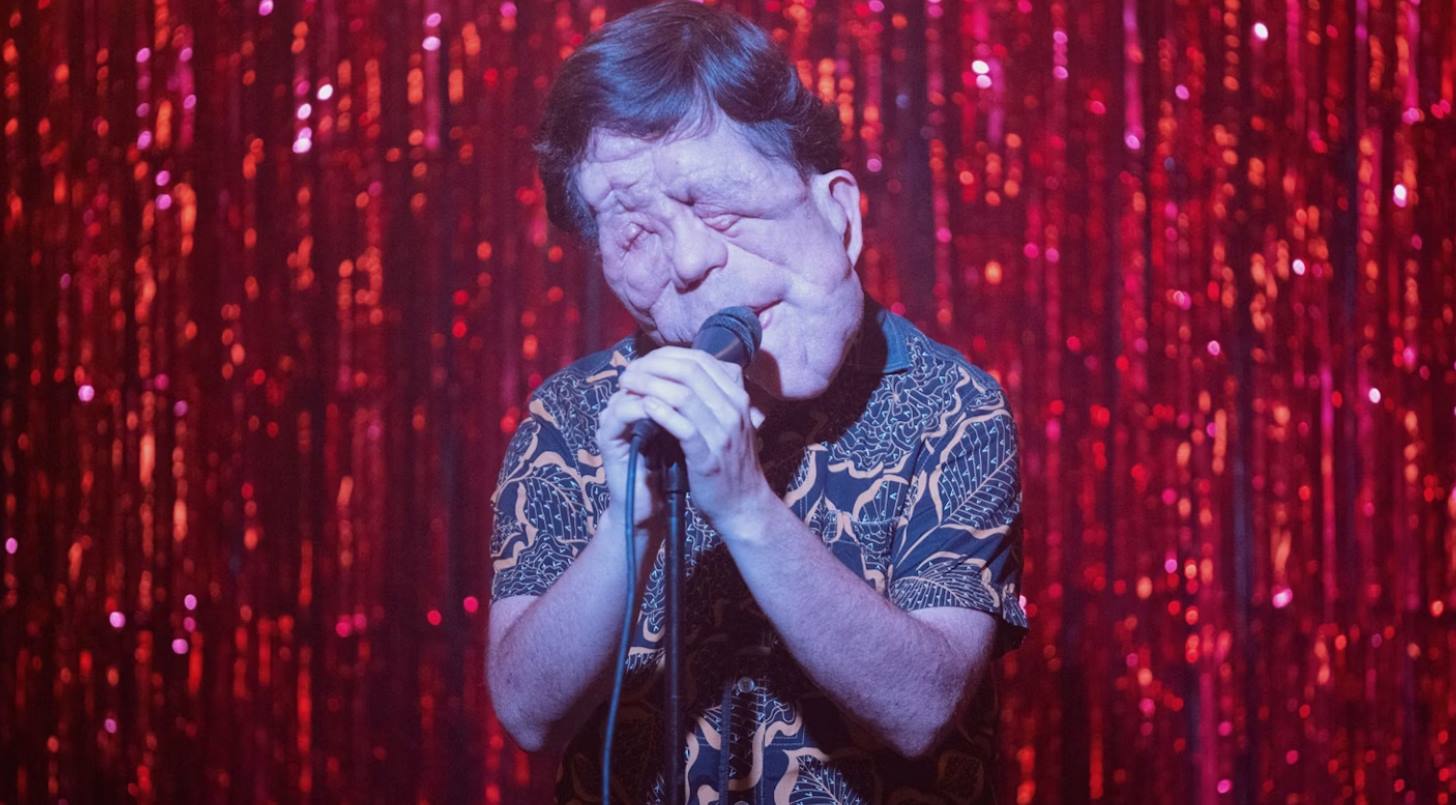
Sebastian Stan is one of my acting MVPs of 2024. Between this film and The Apprentice, he was really flexing his acting chops. Stan plays an aspiring actor born with a facial disfigurement. That disability hinders his aspirations as well as his love life, so he gets radical surgery to completely change his face. Under a new identity, he becomes a successful real estate agent, but the acting bug is still biting. He reunites with an old neighbor (Renate Reinsve) who doesn’t know it’s him but has written a stage play based on their friendship. She believes he committed suicide. Oswald emerges from the ether here, another man with the same disfigurement but a seemingly boundless supply of confidence. A Different Man recalls early Charlie Kaufman and announces a fascinating new voice in American independent cinema.
The Iron Claw (directed by Sean Durkin)
Listen to our full review here
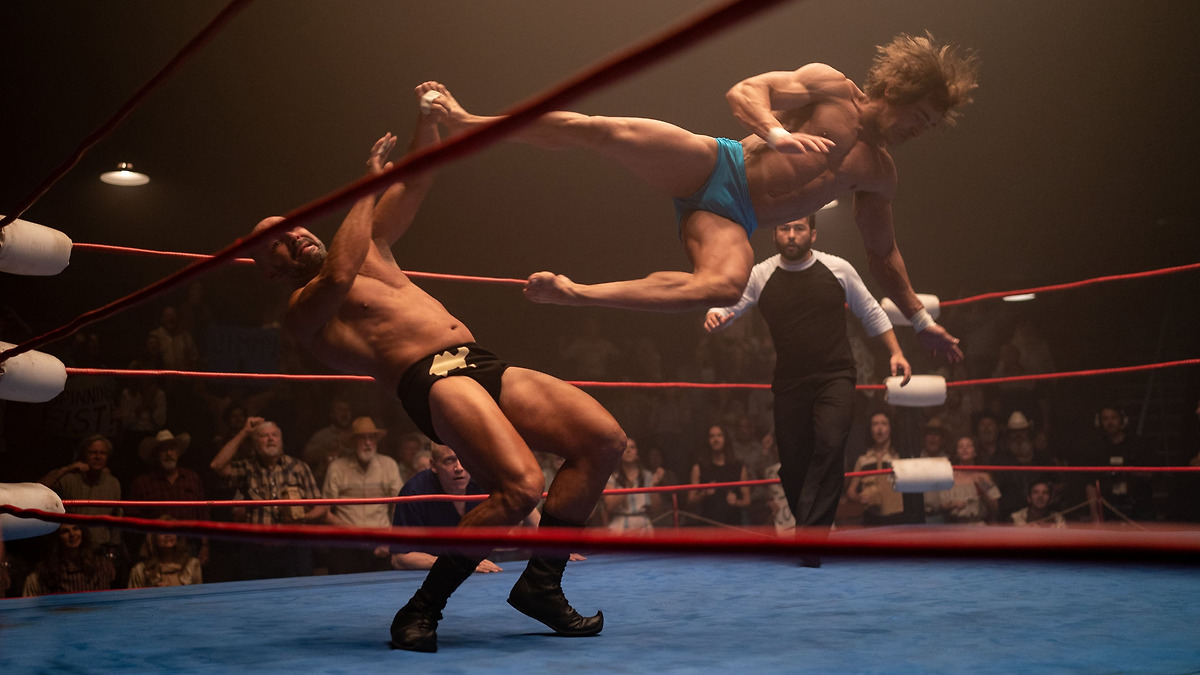
Sean Durkin won me over with 2010’s Martha Marcy May Marlene, so I will be there to watch any time he’s directing. This time, he’s made a biopic about the tragic Von Erich family, a clan of professional wrestlers ruled by a domineering father. Zac Efron takes the lead as Kevin, struggling to live up to his father’s often impossible expectations. He’s pitted against his siblings but desperately tries to keep their bonds strong. If you’re familiar with the Von Erich’s ends then you know this story concludes with not many of them left. Durkin has fashioned a very heart-felt, embracing the silliness of professional wrestling, but also the athleticism of this family. Efron’s co-stars Harris Dickinson, Jeremy Allen White, Maura Tierney, Lily James, and especially Holt McCallany as Fritz, the father, make this a must-see film.
Fallen Leaves (directed by Aki Kaurismäki)
Listen to our full review here
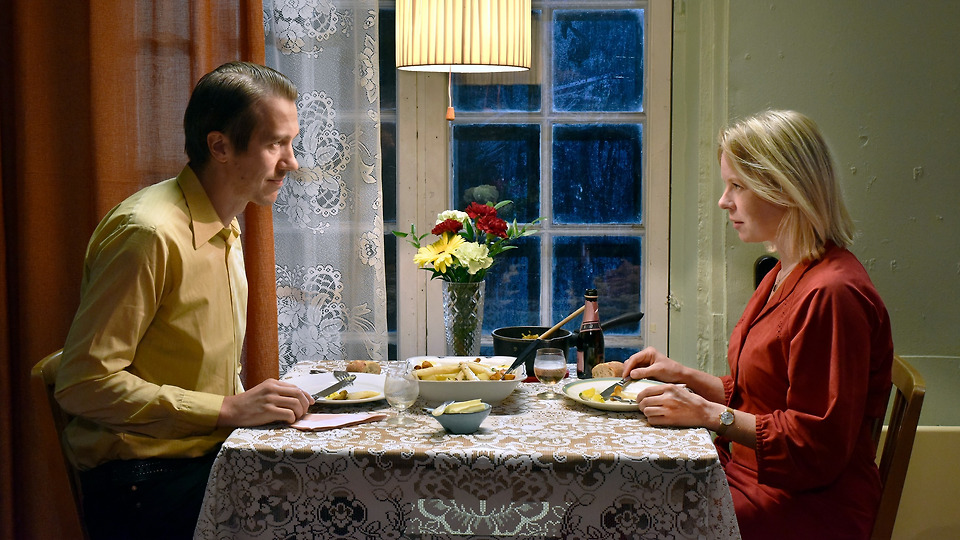
Finnish filmmaker Aki Kaurismäki is an acquired taste, but once you do, it’s a fun & beautiful time. Ansa is a fortysomething woman living a rather melancholy life in Helsinki, spending her working hours at a supermarket where employees are treated like thieves. The radio pivots between news about the war in Ukraine and upbeat pop songs, a strange mix of tones. Her life changes when she meets Holappa, a construction worker, at a local pub for karaoke night. He’s an alcoholic, trying to keep that under wraps, as both her father and brother suffer from the condition. Fallen Leaves is done in a style unique to Kaurismäki, stuck somewhere in the 1960s but still feeling fresh & modern. This is the sort of simple, beautifully made love story we don’t often get anymore.
The Substance (directed by Coralie Fargeat)
Listen to our full review here

The Substance swept up so much of the movie discourse this summer, and it’s easy to see why. It was made by Coralie Fargeat, a French director who takes familiar genre tropes and mixes them up. It serves as a return to prominence for Demi Moore, who plays a fitness expert who finds her show canceled on her 50th birthday. She becomes aware of a mysterious treatment called The Substance, which promises to restore her youth. It’s taken immediately upon arrival, resulting in the first of several wild body horror sequences. Margaret Qualley plays a younger version of Moore, and both do an excellent job as the same woman swapping bodies back and forth. There’s the obvious commentary on women, their bodies, and men’s desires, but I was mostly impressed with the mix of practical & digital effects that are mind-blowing. Qualley continues to impress me, as well. One of our great contemporary actors.
Dune: Part Two (directed by Denis Villeneuve)
Listen to our full review here
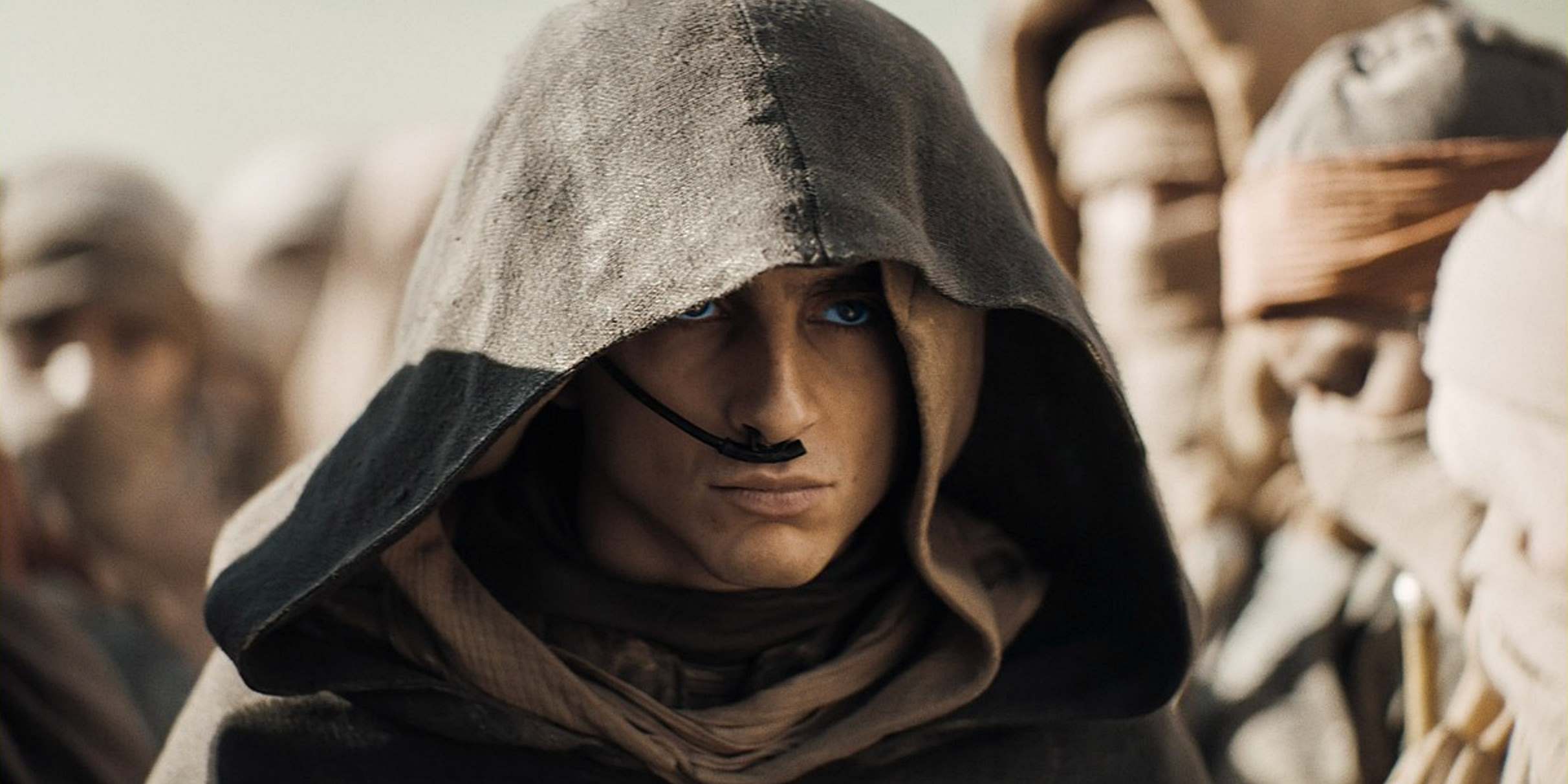
I wondered if Denis Villeneuve would stick the landing on his take of the Frank Herbert classic, and he nailed it. One of the few films I saw this year that made me nauseous with dread in the final act. Unlike previous adaptations, this version perfectly communicates Paul Atreides’s misguided villainy. Yes, he defeats the Harkonnens, but you won’t feel a sense of victory. Instead, we’re confronted with the danger of messiah narratives, that continually telling a person they are some sort of celestial savior is highly dangerous. This is also one of two performances from Zendaya this year that had me re-evaluating her as a serious actress. Up until now, I still saw her as a kid. She destroyed that notion first with her performance as Chani and later in Challengers (more on that below).
The Teacher’s Lounge (directed by Ilker Çatak)
Listen to our full review here
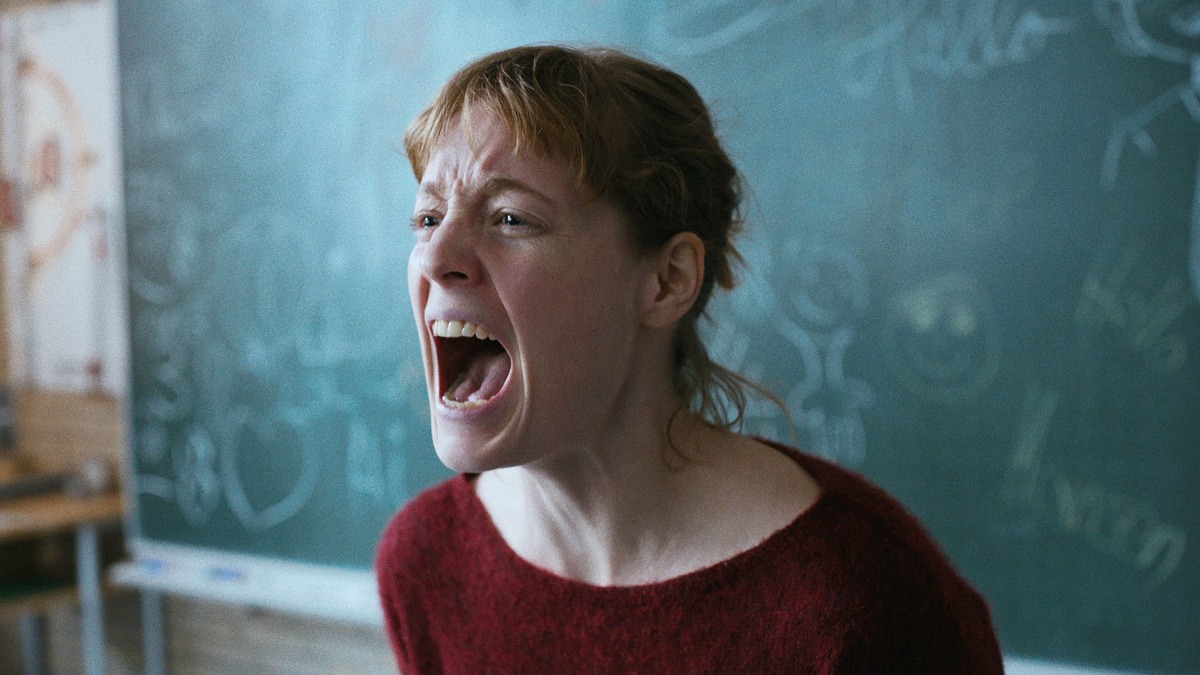
The Teacher’s Lounge accomplishes something impressive by making a thriller from mundane events, providing the intensity of something like Uncut Gems in the life of a school teacher. Carla is a Polish immigrant teaching Math and P.E. at a German school. She’s one of those people who tries to do everything by the book and respects her students as human beings. One student, a Turkish boy, comes to class with a strangely large amount of cash on him, which his parents say is something they give him. Later, cash goes missing from Carla’s coat pocket. She had left her laptop camera running and believes it is the school secretary leading to a tense confrontation. This is just the beginning of a hellish series of events that will leave Carla shaken and her beliefs questioned.
Robot Dreams (directed by Pablo Berger)
Listen to our full review here
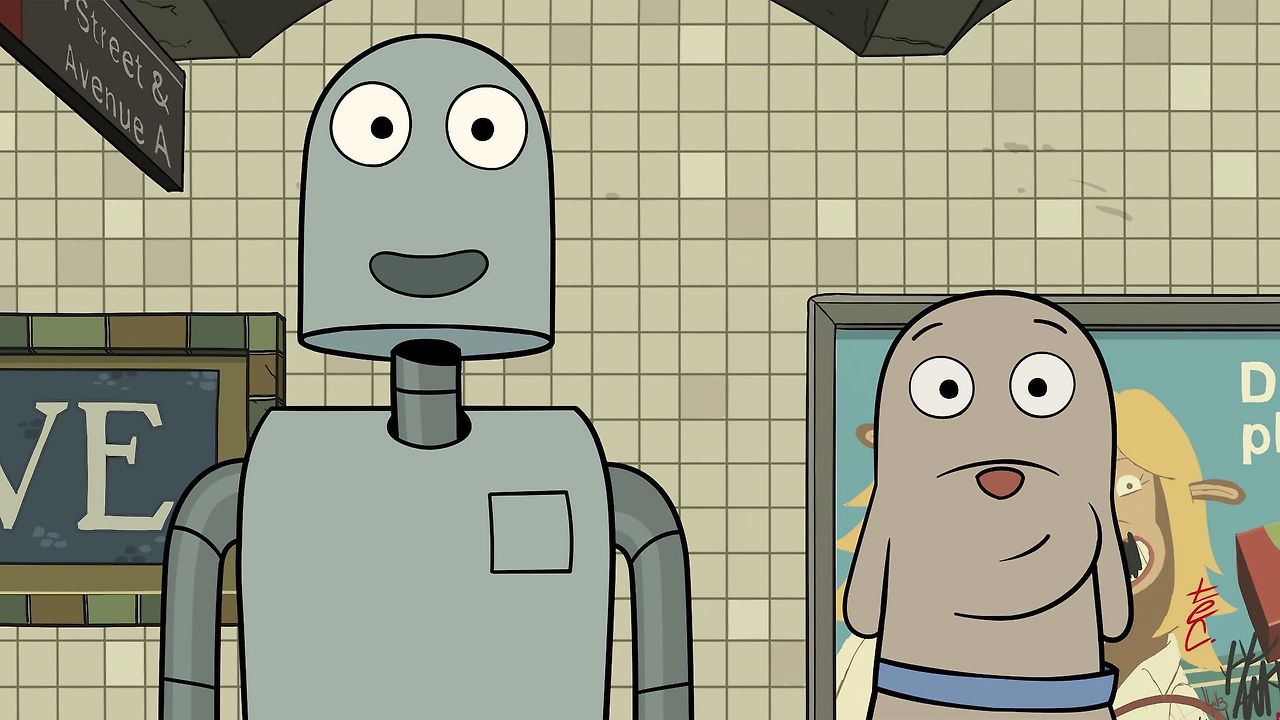
This film contains no dialogue but says so much about love and friendship. Dog is lonely, and everyone around him has a friend or lover. He orders Robot to be his friend. At first, it couldn’t be better. They enjoy roller skating through Central Park, hot dogs from street carts, and lounging on the beach at Coney Island. Robot rusts from the ocean water, and Dog is forced to leave him when the beaches close for the autumn and winter. The title refers to the dreams & hallucinations Robot has lying there on the sand, hoping Dog or some other savior comes along. Dog waits out the cold weather with other activities and eventually forgets about his waterlogged friend. This is a delight, one of the year’s best-animated films.
Challengers (directed by Luca Guadagnino)
Listen to our full review here
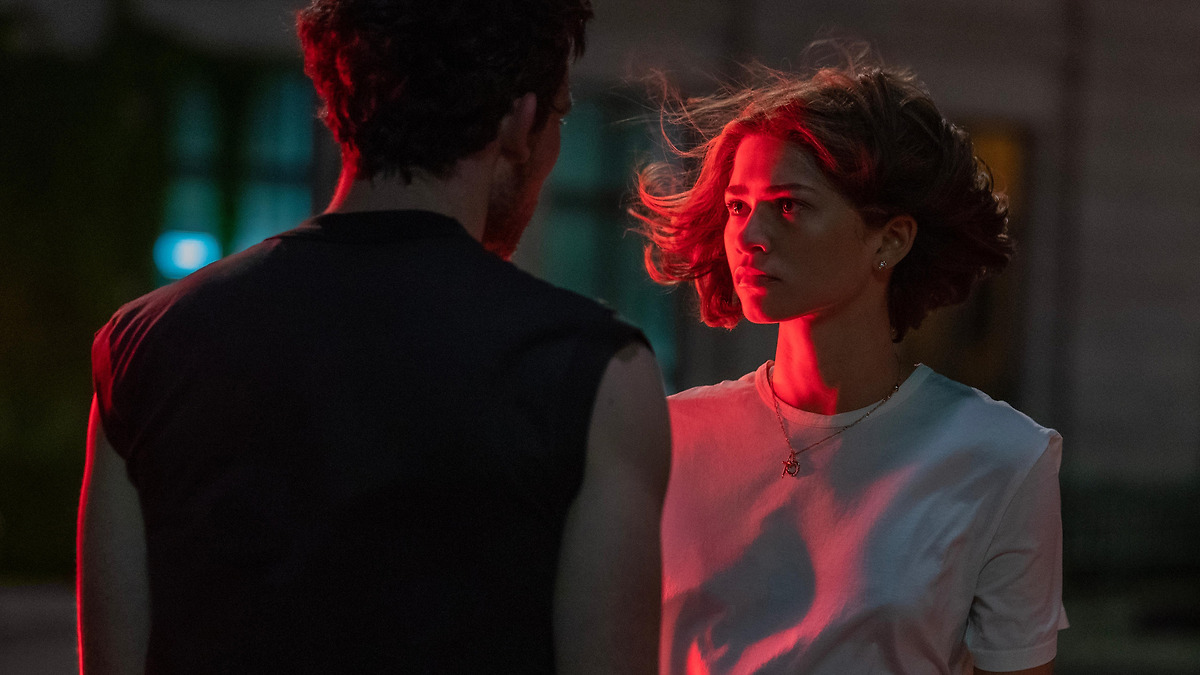
I can’t imagine a Luca Guadagnino film or TV series that wouldn’t be on my top list of the year. In 2024, it was Challengers, a movie set in the world of professional tennis. Patrick and Art are buddies playing at the junior US Open in 2006. They meet Tashi, a rising star, and become infatuated. Patrick implies that he slept with Tashi, which angers Art. However, Art ends up at Stanford with Tashi, and a romance blooms. The film is told nonlinearly as the two men meet on the court in the present, Art is now married to Tashi, and Patrick struggling financially. What sets Challengers apart are the director’s choices about how to shoot and light the picture. Challengers is one of the most stunningly beautiful films of 2024, with a final tennis match that puts the camera in places you never would imagine it would work in. This has me very excited for Guadagnino’s next, Queer.
I Saw the TV Glow (directed by Jane Schoenbraun)
Listen to our full review here
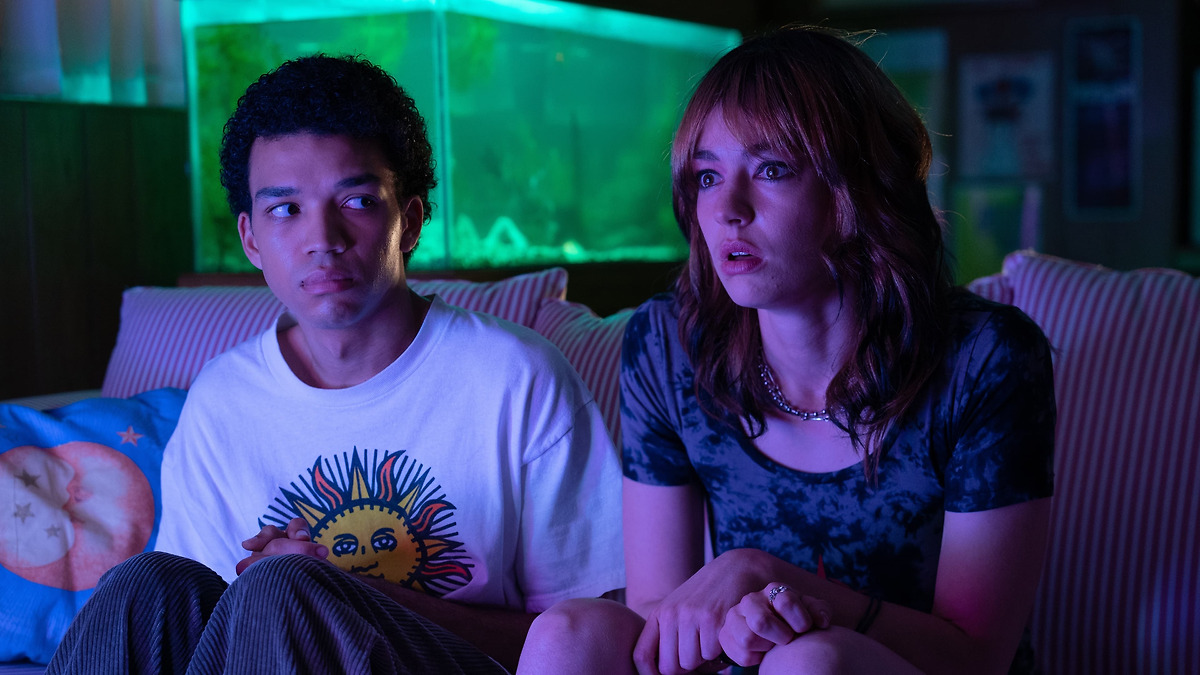
Jane Schoenbraun pours her heart out in I Saw the TV Glow, an ode to cult tv of the 1990s and the struggle of coming out as a queer/trans person. Owen meets Maddy when they are both kids in school. They share a fascination with the supernatural teen drama “The Pink Opaque,” about two teenage girls fighting freakish trouble in their small town. Maddy is particularly obsessed with the show in a way that Owen doesn’t fully understand. And then, one day, his friend just disappears. TV Glow is a film about the pain of staying in the closet and the fact that coming out is also a painful process. This was sold as a horror film; yes, it has those elements. But it’s not horror that is interested in gore or violence. This is fantasy horror and provides a much more existential dread in its final moments.
La Chimera (directed by Alice Rohrwacher)
Listen to our full review here
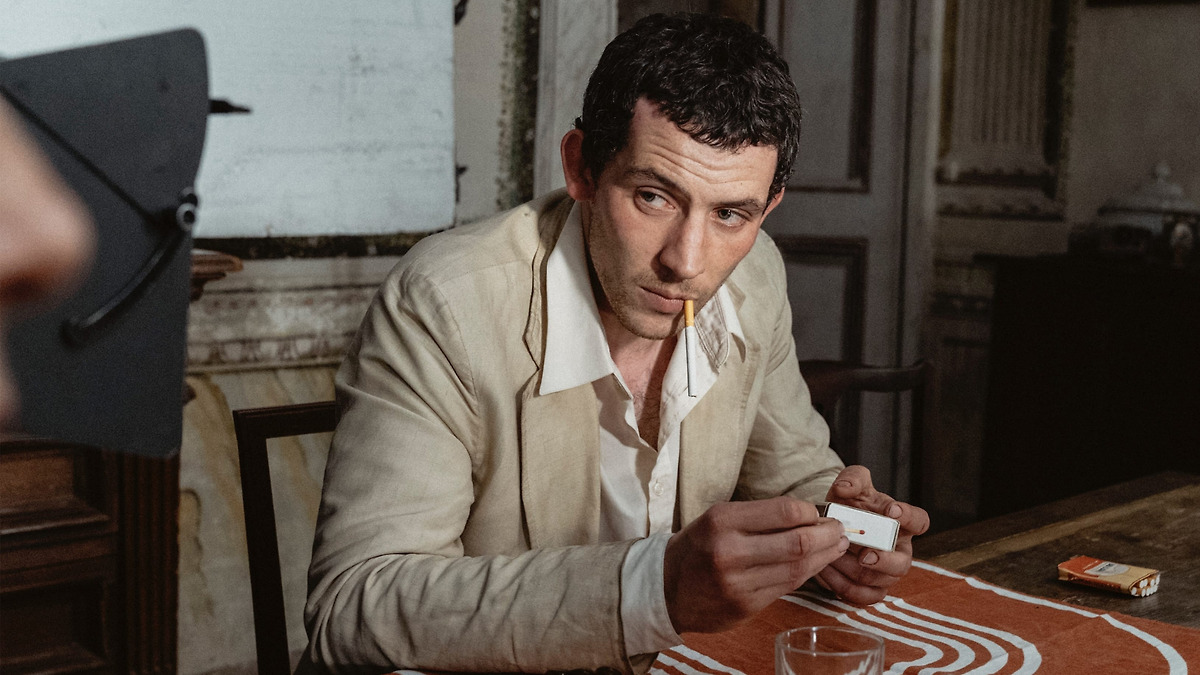
Alice Rohrwacher is a director I will keep up with from here on out. Her latest, La Chimera, was inspired by a love of Indiana Jones. It’s a very different take, though. Arthur is a British archaeologist who has come back to Italy after a prison stint. He was locked up for tomb raiding, selling the artifacts he found on the black market. His ex-girlfriend is missing, and her mother looks to Arthur for support; she believes that her daughter will return one day, while he is less confident. La Chimera is a clever mix of comedy and tragedy, Arthur works with a crew of disparate grave robbers who keep things funny. However, his longing for a woman who is long gone and may even be dead haunts the whole film and provides a beautifully heartbreaking final moment. Rohrwacher is such an incredibly talented filmmaker and manages to bring elements from 1980s cinema into a modern perspective. It’s a magic trick that works so beautifully.
Do Not Expect Too Much from the End of the World (directed by Radu Jude)
Listen to our full review here
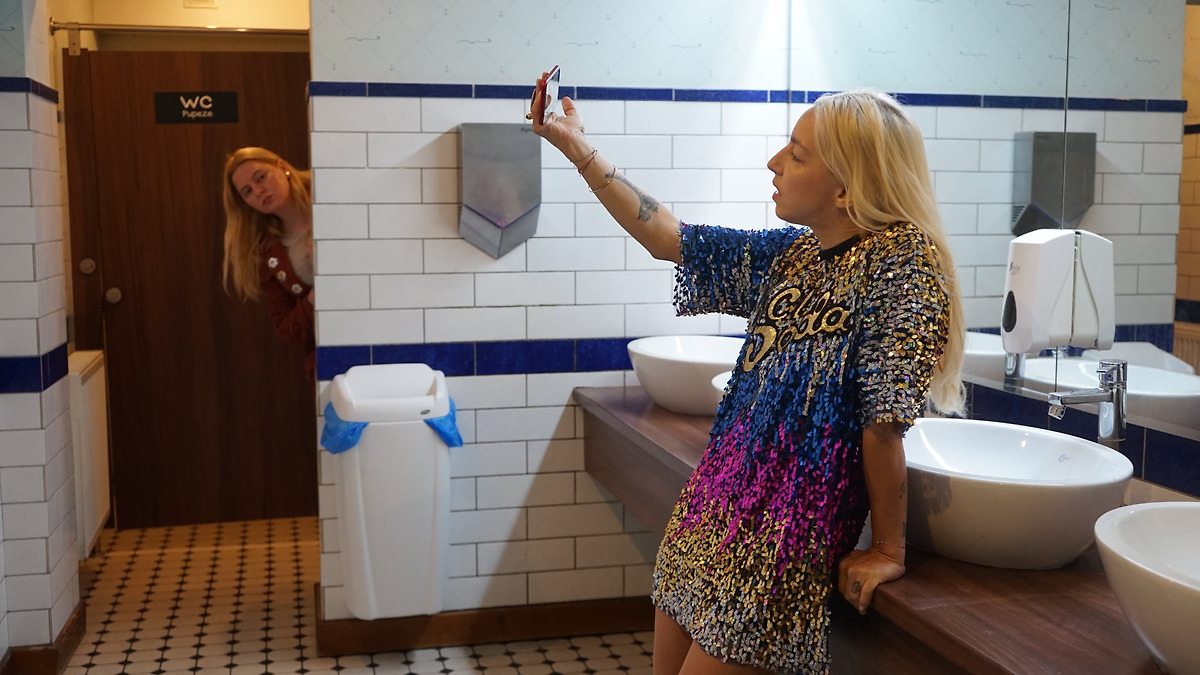
Angela is a perfect example of a 21st-century worker, driving around Bucharest as a casting agent for a multinational working in Romania while keeping her side gigs going. A recent work-site injury has led the company to rush a PSA as part of the settlement, and Angela is looking for people to act in it. Her life is paralleled with clips from a 1981 Romanian film about a female cab driver named Angela. The modern Angela also has a growing TikTok following, in which she plays a parody of internet misogynist Andrew Tate. There’s a lot being said here, and Radu Jude’s voice feels uniquely attuned to the things happening in the West right now. The world is being swallowed up by the wealthy, and the rest of work bullshit jobs to keep their machine running. Jude’s final pivot for the film’s last twenty minutes is a beautiful piece of single-take cinema, allowing the absurd comedy of the situation to bubble to the surface.
Perfect Days (directed by Wim Wenders)
Listen to our full review here
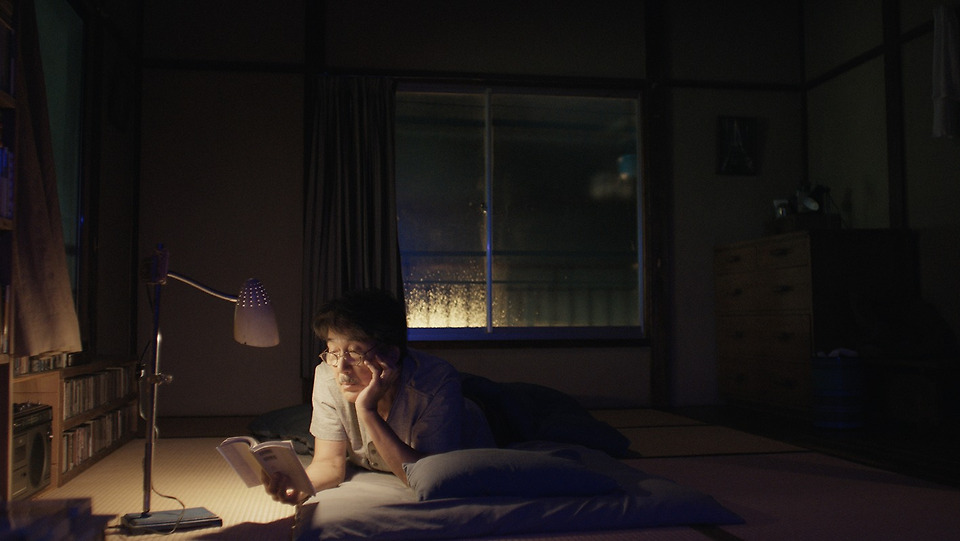
German filmmaker Wim Wenders has a very special perspective on the human condition. In Perfect Days, he follows Hirayama, a Japanese public toilet cleaner living & working in Tokyo. He’s getting on in years but maintains an upbeat demeanor about doing the best in his work. Hirayama’s life is solitary, but he appears quite happy to be with himself most of the time. Wenders takes us through this character’s weekly routine, helping us get a sense of the man’s existence. Then, we go back through it with slight variations and changes until the biggest one occurs. Hirayama receives a surprise visit from his estranged niece. I’ve seen some takes on this film from people who didn’t like it, but I think Perfect Days provides a strong message about learning to accept what happens in life, as so much of it is out of our control.
Evil Does Not Exist (directed by Ryusuke Hamaguchi)
Listen to our full review here

In 2025, Japanese filmmaker Ryusuke Hamaguchi will be the focus of a spotlight series exclusively on our Patreon. This movie and his previous work, Drive My Car, made Ariana and I decide we had to dig in deeper with his work. I immediately noticed that Evil Does Not Exist is less concerned with traditional narratives and more invested in setting a mood. Nature is front and center throughout the story of a small Japanese village becoming the next site of corporate expansion. Tensions are rising among the locals and the developers. So much of this movie is a wild, near-psychedelic trip through the forest. The shots Hamaguchi chooses are so mesmerizing and evoke a sense of mystery. How this movie ends will likely stun most viewers. It was a powerful way to close out such a wonderfully odd movie-watching experience.
Poor Things (directed by Yorgos Lanthimos)
Listen to our full review here
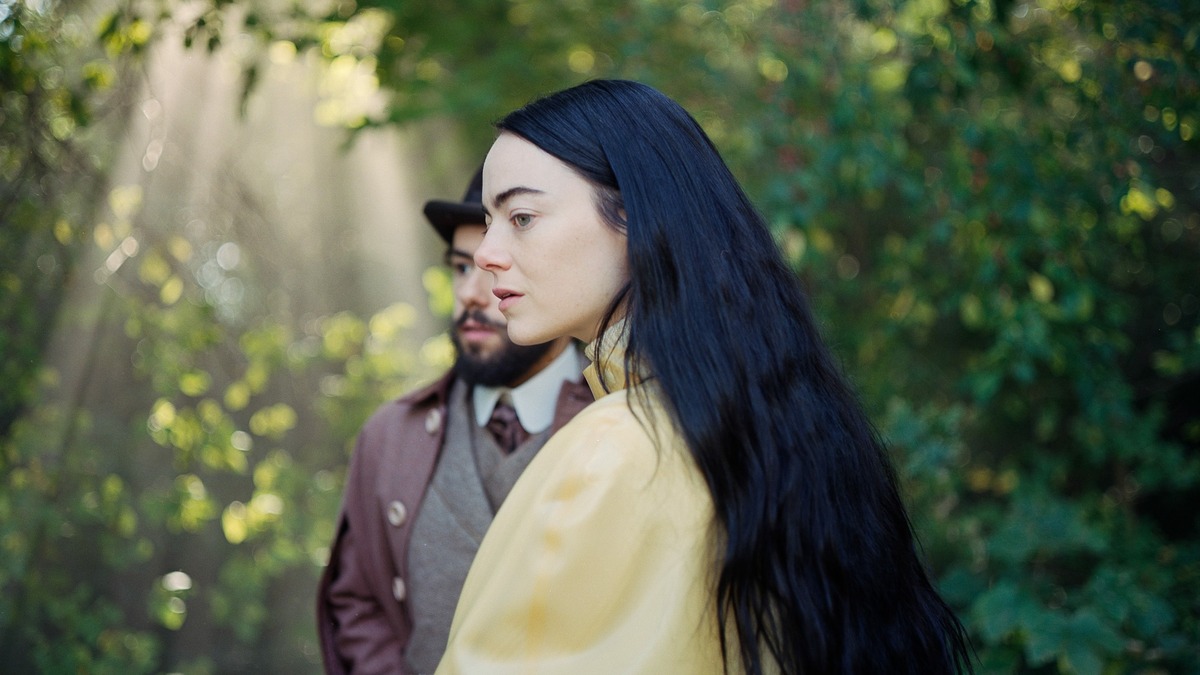
I think a lot of people just don’t get Lanthimos. Poor Things was one of those films that went mainstream when it might have been better to languish in obscurity. As a result, many people who had never seen one of the Greek director’s movies saw this one and didn’t like it. One complaint I saw was about Emma Stone’s Bella Baxter not seeming to learn anything by the end of the film. I would argue that’s part of the point Lanthimos is making, and it makes sense when you understand his darker, more cynical view of humanity. This was Lanthimos’s most fantastical movie, with a deeply stylized world set in an alternate past. I’m happy for the wider success Yorgos Lanthimos found with this movie but annoyed with the people who are aware of him now that can’t shut up about how much they dislike him.
Kinds of Kindness (directed by Yorgos Lanthimos)
Listen to our full review here
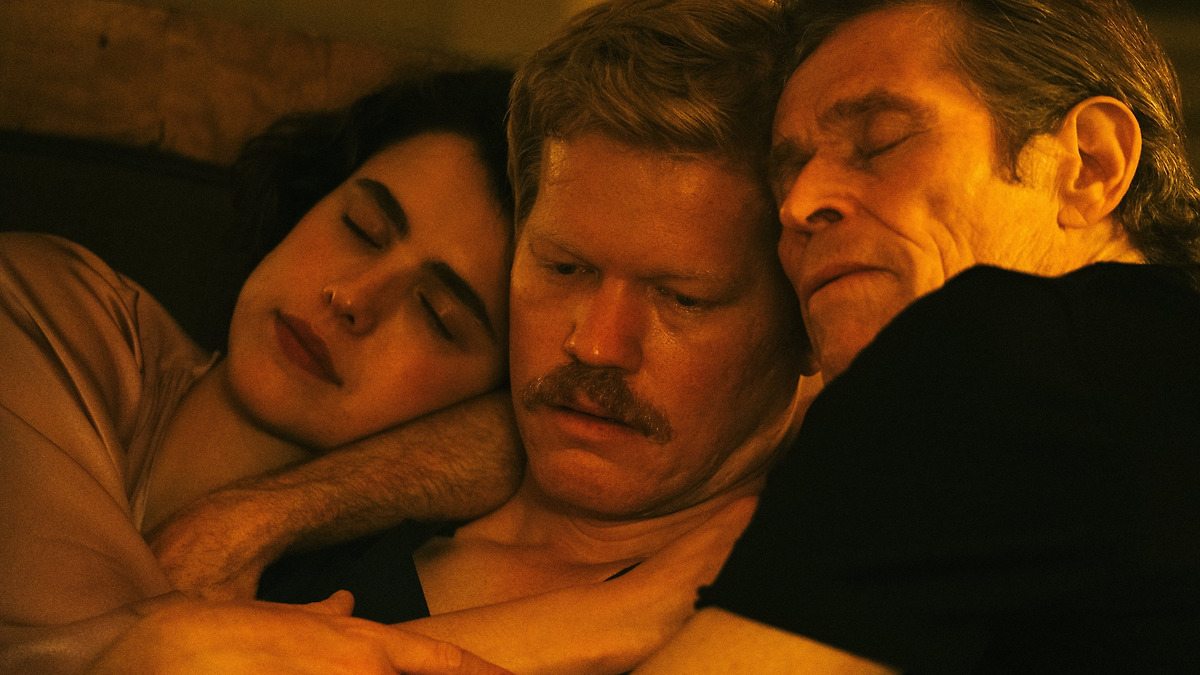
Even better than Poor Things was this anthology film from Lanthimos. This reminded me more of the director’s older work and all the better for it. At nearly three hours long, we get three stories overflowing with characters, ideas, and plot. A man follows every order given to him by his boss, even if it destroys his life. A woman presumed dead at sea returns to her confused husband’s life. A cult seeks a woman who can raise the dead and send out two of their acolytes to find her. I think trying to tie these short together under any sort of unified thematic perspective isn’t really possible here, though all of them do involve couples & relationships. What you get is pure Lanthimos. It reminded me of aspects of his early films like Dogtooth and The Favourite, with a little of what I think is the best of his movies, The Killing of a Sacred Deer.
Anora (directed by Sean Baker)
Read my full review here
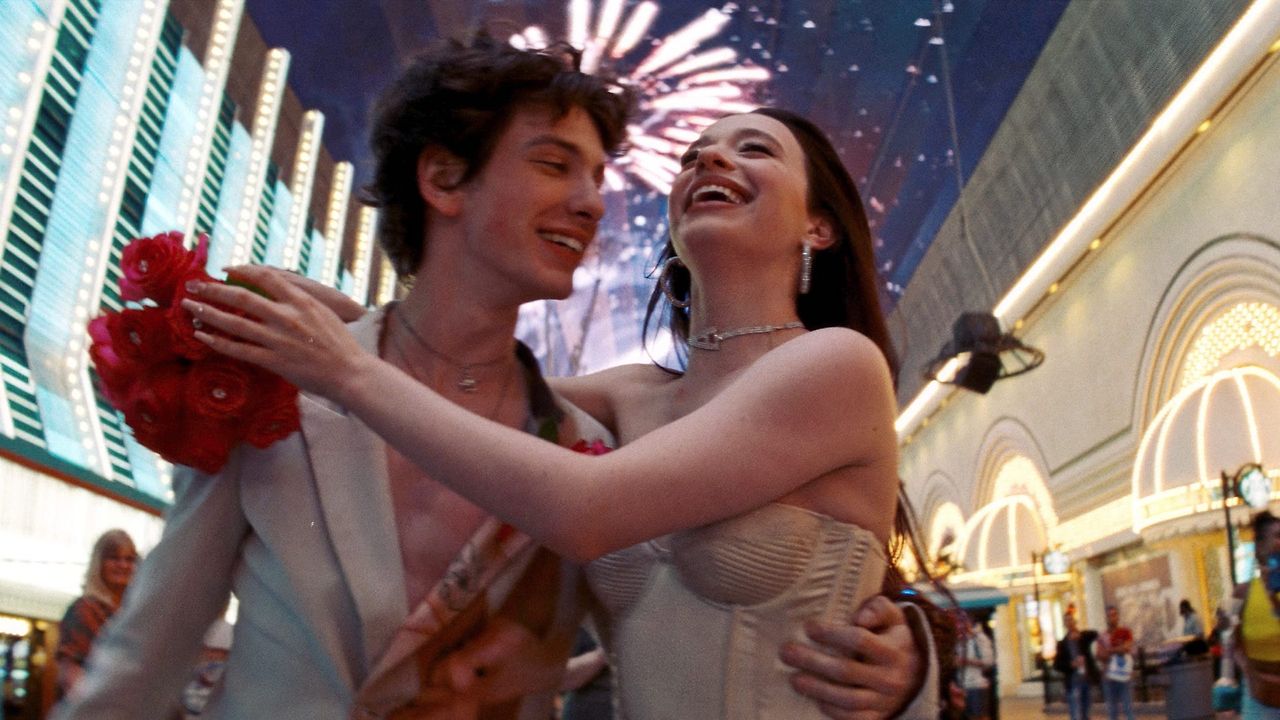
No one in the United States is making films about class better than Sean Baker. He uses the perspectives of sex workers to highlight the disparities of life present in the nation. It’s hard to argue any other job is more hyper-aware of class differences than these. Mikey Madison stars as Annie, a stripper trying to find a way out of the industry. That appears to come from the son of Russian oligarchs who is partying it up in the States and wants Annie to come along. Annie knows better that she shouldn’t become this deeply involved, but it feels so much better than what she was doing before. Baker blends pathos and humor perfectly, and he couldn’t have picked a better muse than Madison. This film manages to walk the line between feel-good and authenticity to the human experience with expertise.
About Dry Grasses (directed by Nuri Bilge Ceylan)
Listen to our full review here
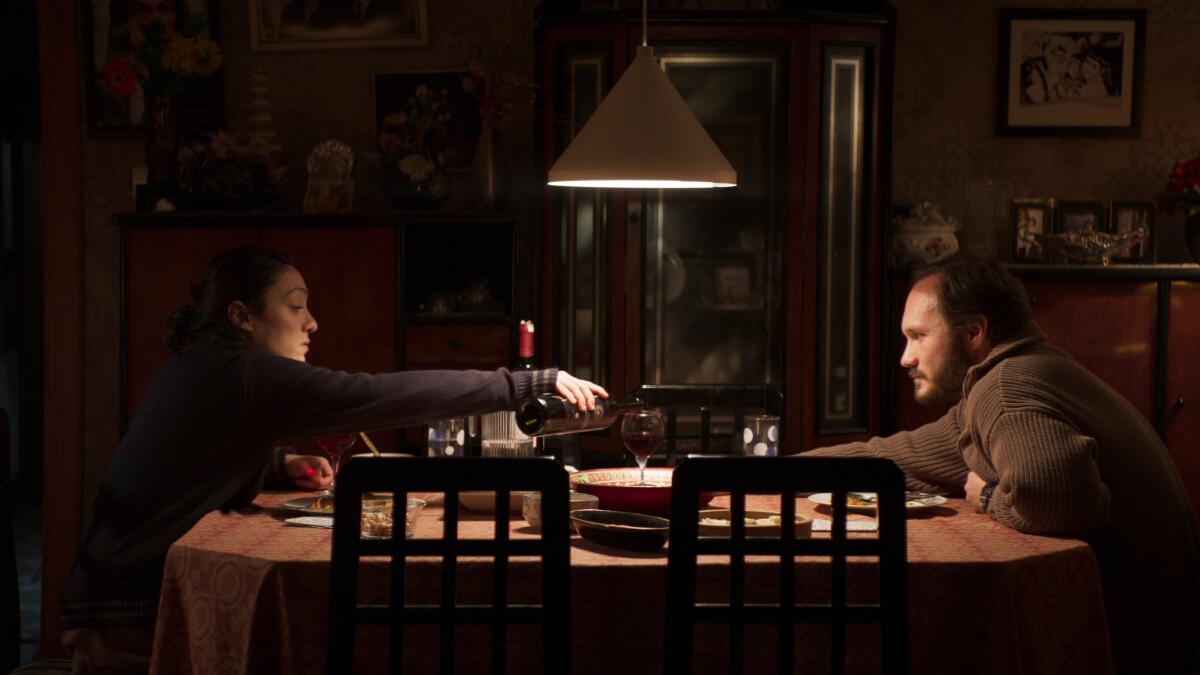
Turkish filmmaker Ceylan has made something incredibly special here. First, there are the stunning visuals where what appears to be a still photograph suddenly lives with snow falling. Each sunset and sunrise feels like it’s been painted on screen. Then, we have the engrossing story. Samet resents his small-town placement as a teacher and yearns to be in Istanbul instead. This anger takes the form of the bitter treatment of those around him – his roommate, a blind date who turns out to be disabled, and a student he suspects has accused him of impropriety. A few films of the last few years have stuck with me like this one. As a male educator, I saw every trait I would never want to have in Samet. His choices lead him down a dark path and leave so many others hurt by his actions.
Totem (directed by Lila Avilés)
Listen to our full review here
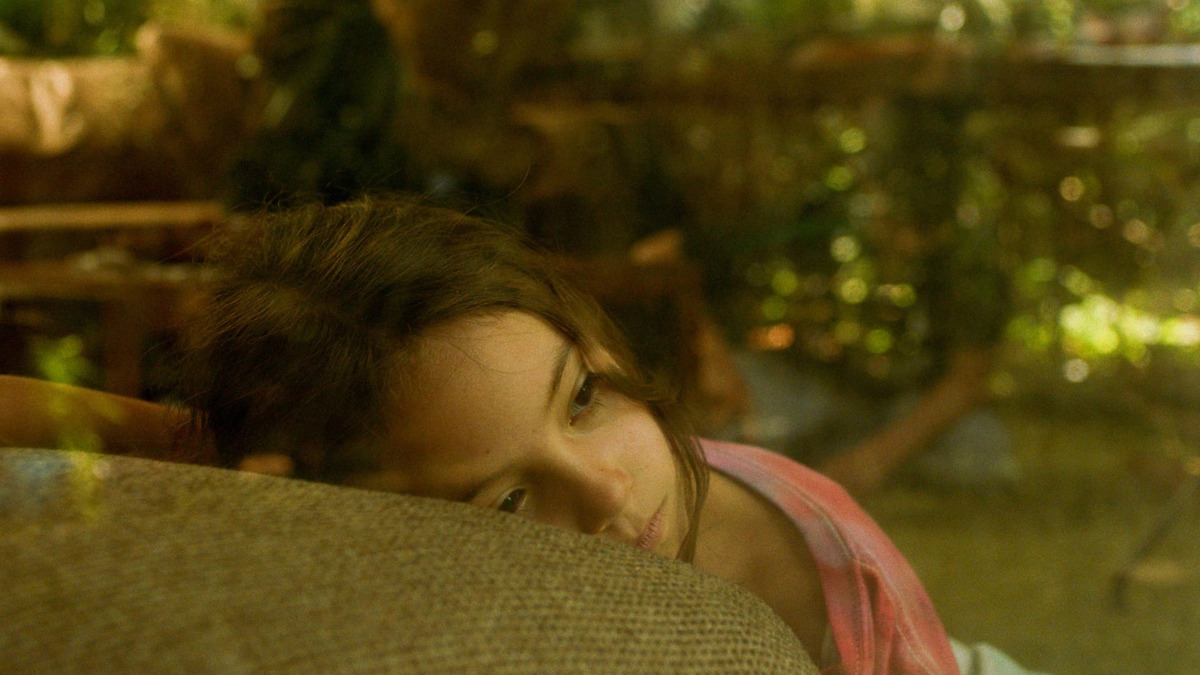
I sat in stunned silence when the credits rolled. I had never seen such a dramatic, yet appropriate, tone shift in the last few minutes of a film as I did in Totem. Sol, a seven-year-old girl, wanders around her grandparents’ home as preparations are made for her father’s birthday party. Nature seems to be creeping into the house; the image of snails crawling along paintings hanging on the wall will linger with you. Mexican filmmaker Lila Avilés captures a particular feeling from childhood – boredom and anxiety. Sol knows something else is going on here, which is why there is such urgency behind her father’s birthday celebration. I was utterly enraptured with the celebration sequence and loved how Avilés chose to shoot Sol’s dance for her father. Whatever this director makes next, I will be there to watch it. Totem is a must-watch for anyone searching for beautiful cinema about real human experiences.
The Zone of Interest (directed by Jonathan Glazer)
Read my full review here
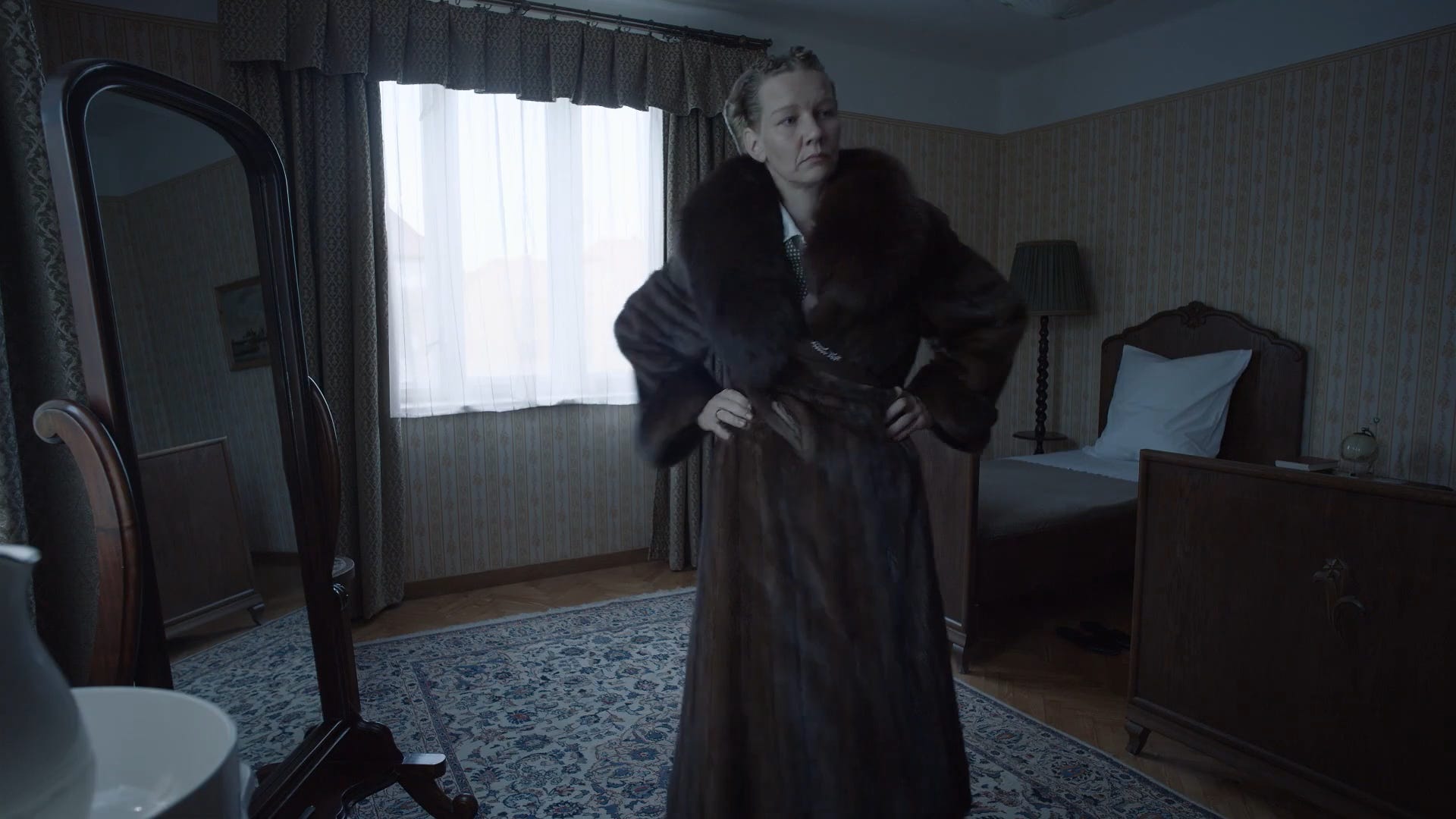
It took ten years between Jonathan Glazer’s last film, Under the Skin, and his fourth work, The Zone of Interest. This is a Holocaust film, but unlike any you have seen before. It’s the story of Rudolph Hoss, the commandant of the Auschwitz death camps, a place we never actually see in the movie. Our experience with camp comes in the form of sound. The opening of the film prepares us for this with a cacophony of sounds that feel as if they have emerged from Hell. We see a reaction to this when Hoss’s mother-in-law comes to visit and finds it hard to sleep. The skies outside the bedroom window are red with flame, and the churning sound of the ovens, like a massive demonic engine, clunk on and on. Glazer has taken the idea of “the banality of evil” and manifested it on screen. The Hoss family believes this is their dream home, a backyard with a garden, Sundays swimming in the river. Everything is pastoral and beautiful. But death creeps in until the family is torn apart. Hoss tells his wife in a letter home that, while attending a Nazi gala in Poland, he spent the entire time thinking about what would be the most efficient way to gas these people to death. That’s the cost of fascism, your humanity, your soul.

 PopCult Reviews
One thought on “My Favorite Films of 2024”