Movie Review – A Shot in the Dark

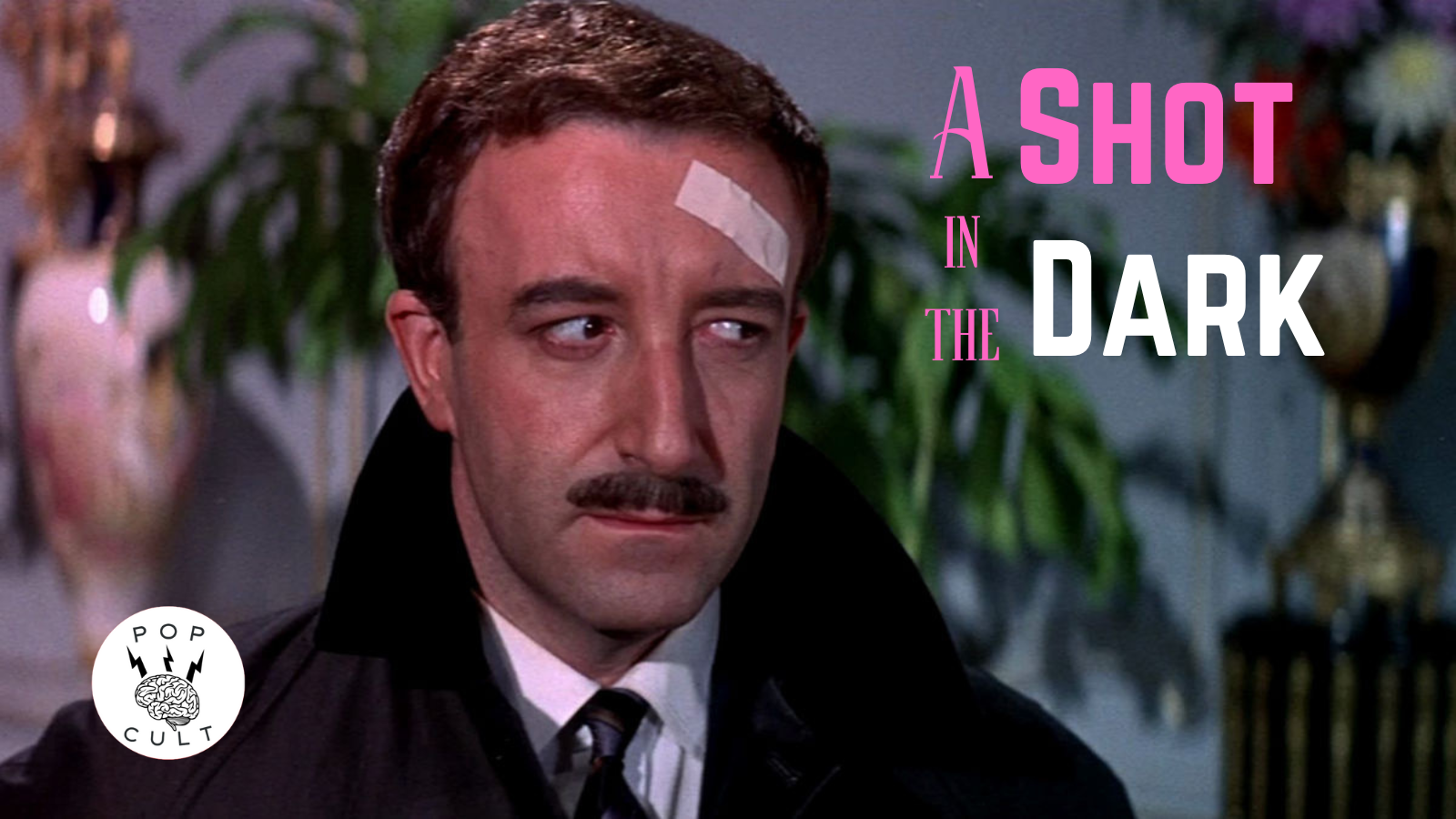
A Shot in the Dark (1964)
Written by Blake Edwards and William Peter Blatty
Directed by Blake Edwards

By 1964, British actor Peter Sellers was a well-known name in the United Kingdom and the rest of the world due to his appearance as Inspector Jacques Clouseau in 1963’s The Pink Panther. Previously, Sellers had built a career starting as a member of The Goon Squad on British radio and then as an actor, most prominently in Lolita for Stanley Kubrick. At the start of 1964, audiences were shown Sellers’ full range of abilities in Dr. Strangelove, and at the end of that same year, got A Shot in the Dark. Clouseau was a populist character, a mockery of the police that gave the audience laughs over his pompous buffoonery. That’s the core conceit of the character is that he is an idiot who carries himself with unearned confidence and, when he is proven inept time and time again, persists in his methods. He is the perfect parody of a police officer. Filmmaker Blake Edwards wanted to keep the Clouseau money machine going, so he, along with William Peter Blatty (yes, the author of The Exorcist), adapted a French play about a stupid detective investigating a murder and simply made it Clouseau.

Continue reading “Movie Review – A Shot in the Dark”
TV Review – The Best of Star Trek Part One

There is absolutely no need for me to introduce Star Trek to you. Instead, I will share my connection with the series. I have never been anywhere close to a Trekkie, but I grew up appreciating many nerdy things as a nerdy guy. I regularly watched reruns of the original series that aired on our local Fox affiliate in Tennessee in the late 1980s/early 1990s. They were part of that late afternoon/early evening block of old shows. I loved the movies featuring the original crew, with Star Trek III: The Search for Spock being my favorite for some reason that eludes me. I’ve rewatched it in the last few years, and it does not hold up. In late 2019, Ariana and I watched the thirty highest-rated episodes on IMDb of Star Trek: The Next Generation. It was a lot of fun and her first time ever watching any of the series. In the same way, this was her first time watching the original Star Trek, and part of my enjoyment was seeing her reactions to things I knew were coming. So starting this Sunday and continuing through every Sunday in March, I will share my reviews of the episodes we watched.

Continue reading “TV Review – The Best of Star Trek Part One”

Comic Book Review – Amazing Spider-Man Epic Collection: The Death of Captain Stacy

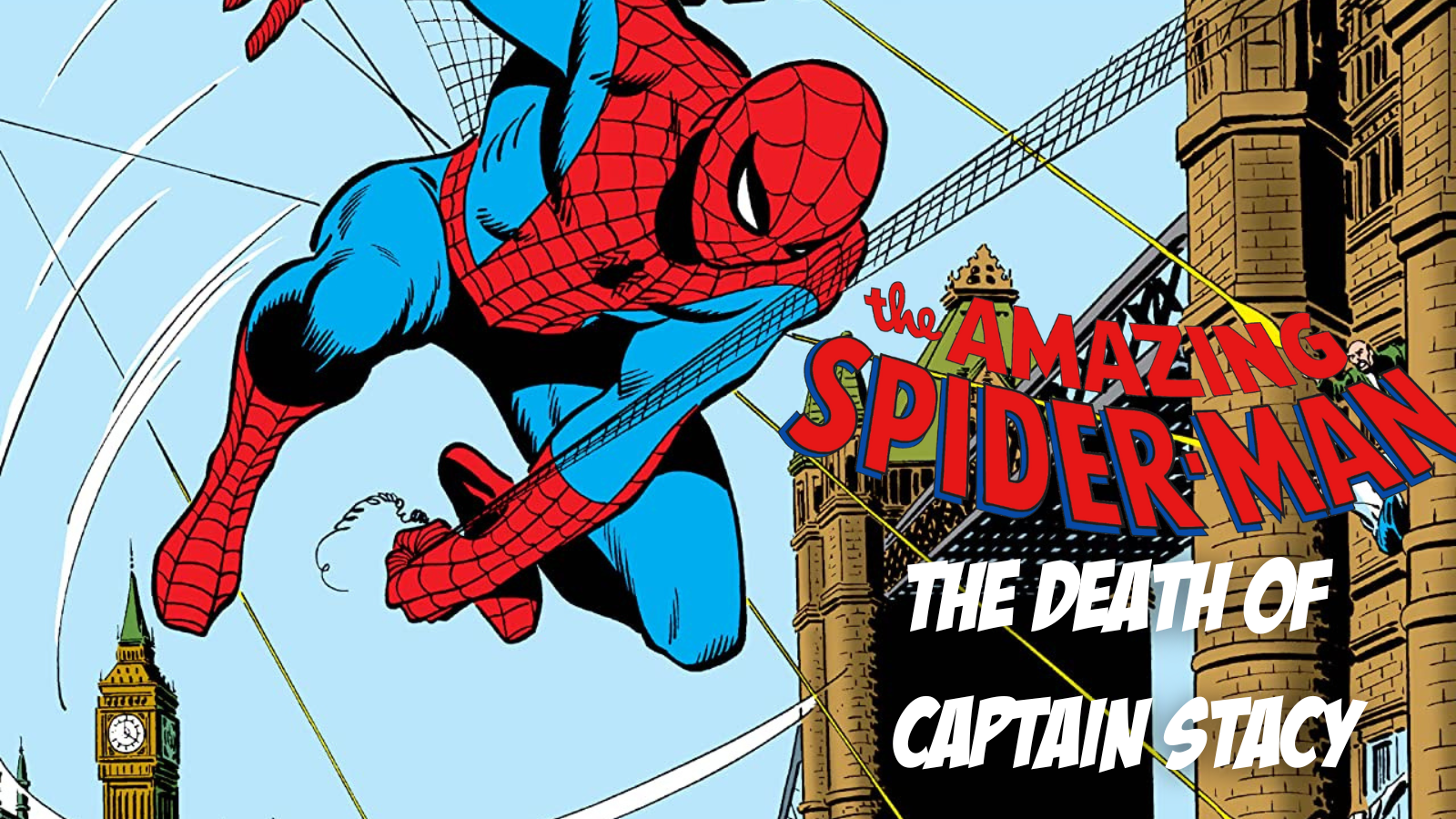
Amazing Spider-Man Epic Collection: The Death of Captain Stacy (2021)
Reprints Amazing Spider-Man #86-104
Written by Stan Lee & Roy Thomas
Art by Gil Kane & John Romita with John Buscema

This was my least favorite of the four Amazing Spider-Man collections I read for this series. The art changes, but it’s not the art that made me dislike it; it is the writing. Stan Lee was clearly running out of steam with his ideas for Spider-Man. It also supports the claims that Lee relied on his artists to handle many plots to which he would add flourishes. I won’t say these are terrible stories, but you definitely get the sense he was reaching for ideas, and a lot of this doesn’t feel as powerfully written as the earlier issues. 

Continue reading “Comic Book Review – Amazing Spider-Man Epic Collection: The Death of Captain Stacy”

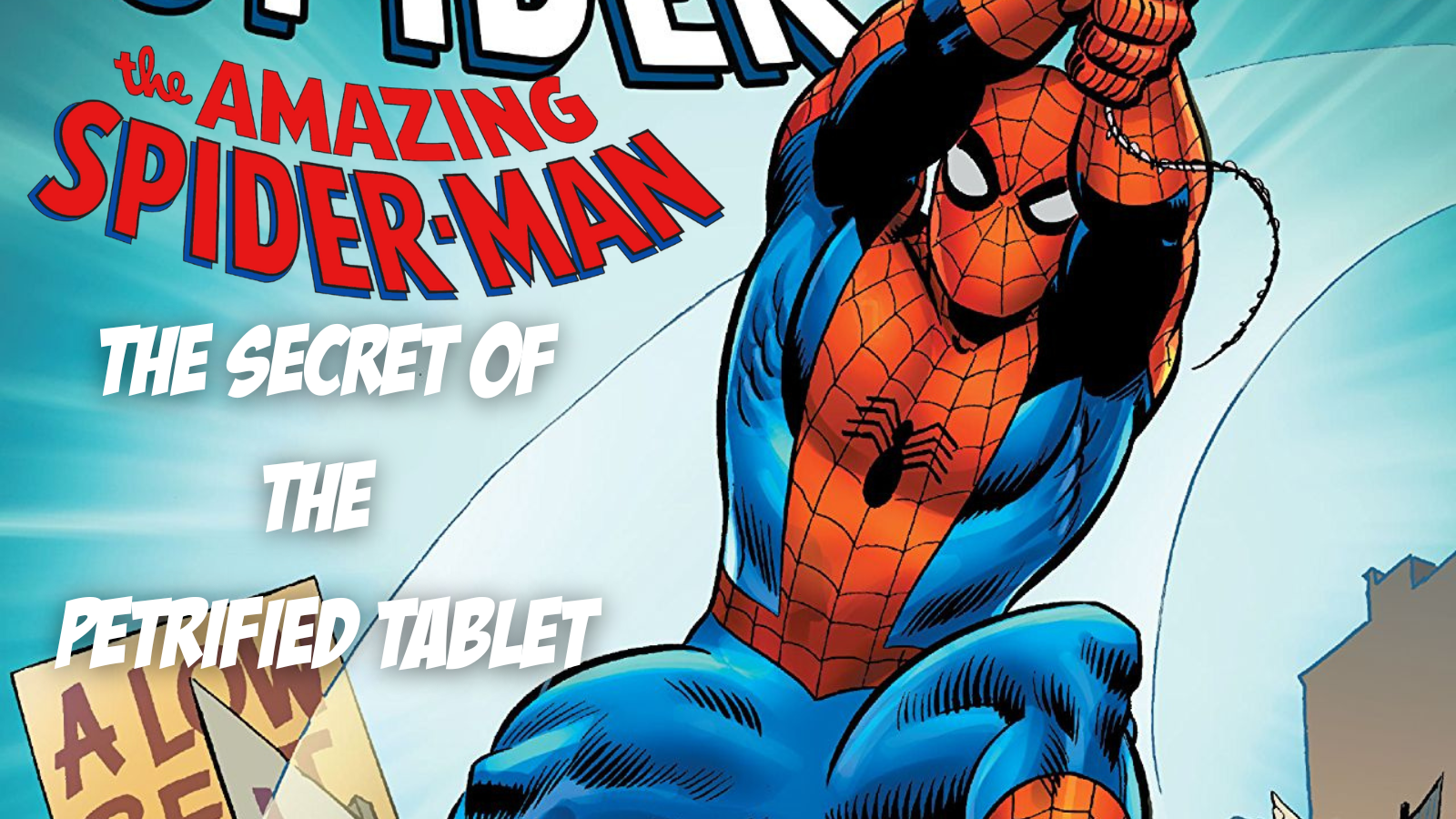
Comic Book Review – Amazing Spider-Man Epic Collection: The Secret of the Petrified Tablet

Amazing Spider-Man Epic Collection: The Secret of the Petrified Tablet (2020)
Reprints Amazing Spider-Man #68-85 & Annual #5
Written by Stan Lee
Art by John Romita & John Buscema (with Larry Lieber & Marie Severin)

One of the things I’ve noticed while reading through these issues of Amazing Spider-Man is how John Romita’s art style is what I think of when I imagine Silver Age art. There’s a cleanness to the linework, a certain way he draws textures, an overall simplicity compared to modern art, as well as development compared to earlier comics and the art happening over at the Distinguished Competition. However, this collection starts with a story illustrated by Larry Lieber, whose style is similar to Romita’s. Lieber served as a man of many talents while at Marvel. He scripted Stan Lee’s plots for Thor, Iron Man, and Ant-Man, with his first superhero work being the first appearance of Thor. Lieber is actually the younger brother of Stan Lee and thus has had a long-running relationship with the company. He illustrated the Spider-Man newspaper strip from 1986 to 2018, retiring at 86. He’s still alive today, having turned 91 in October 2022. 

Continue reading “Comic Book Review – Amazing Spider-Man Epic Collection: The Secret of the Petrified Tablet”

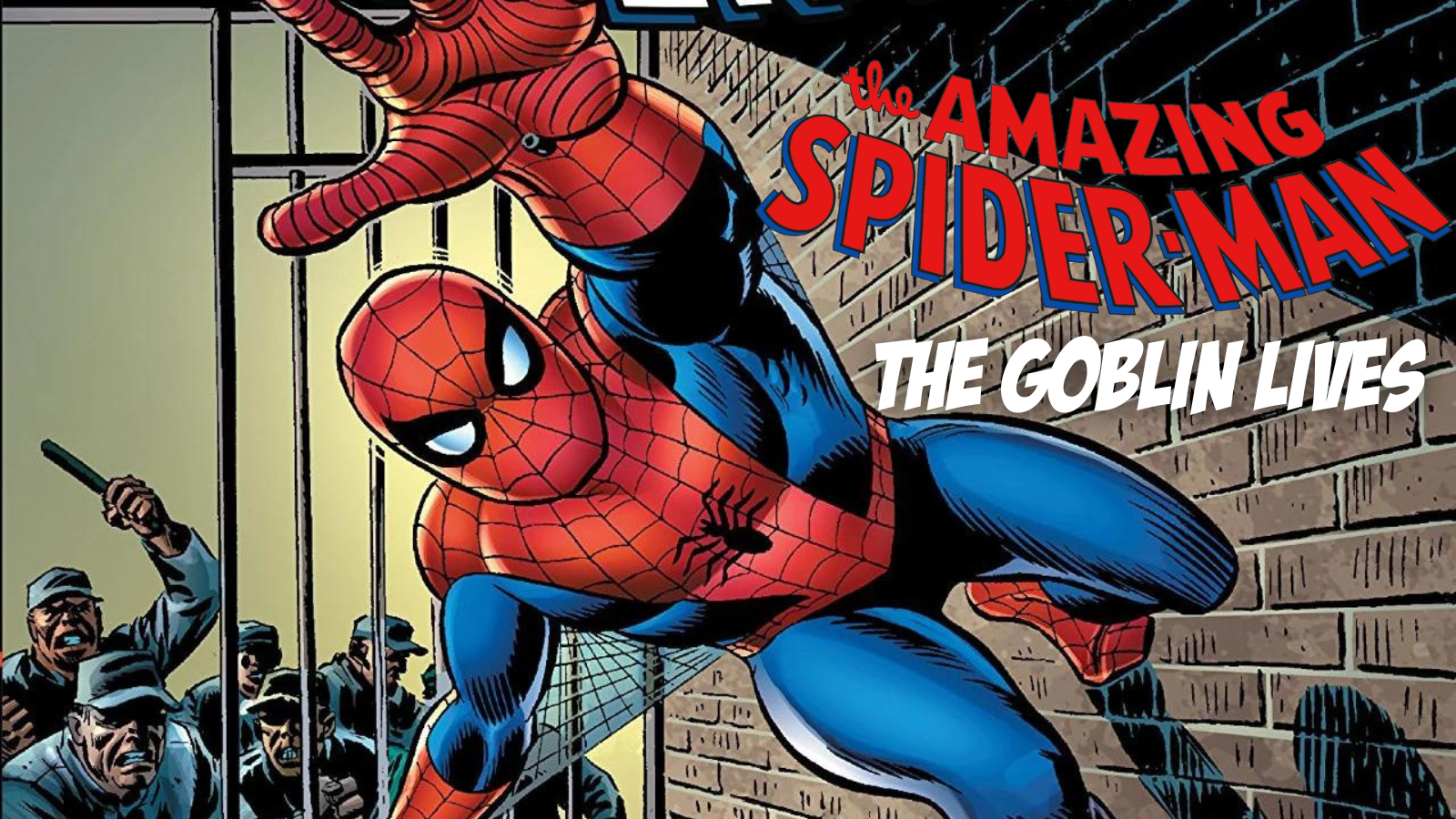
Comic Book Review – Amazing Spider-Man Epic Collection: The Goblin Lives

Amazing Spider-Man Epic Collection: The Goblin Lives (2019)
Reprints Amazing Spider-Man #53-67, Spectacular Spider-Man #1-2, Marvel Super-Heroes #14, and Not Brand Echh #6,11
Written by Stan Lee (with Gary Friedrich & Arnold Drake)
Art by John Romita (with Don Heck, Jim Mooney, Ross Andru, Larry Lieber, & Marie Severin)

Once upon a time, superheroes were not the most popular thing in the media. In the 1960s, Stan Lee and his collaborators at Marvel were reinventing the niche genre that had been quite popular since the 1930s. Thirty years after their debuts, the familiar superheroes were quite stale. If you walked over to DC Comics, you would find stories with Superman acting as a father figure, mentoring children. Batman wasn’t much better. 

Continue reading “Comic Book Review – Amazing Spider-Man Epic Collection: The Goblin Lives”

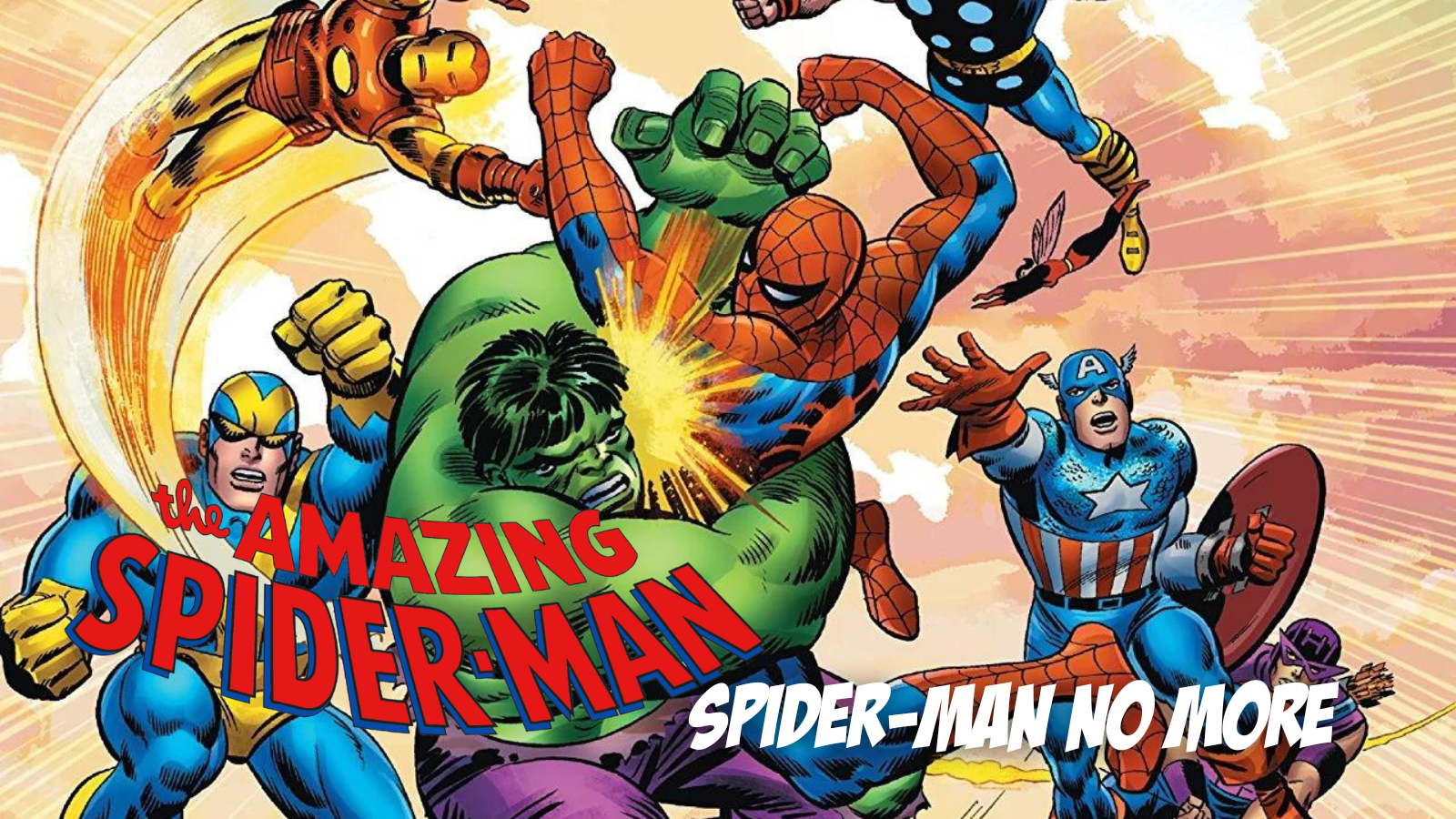
Comic Book Review – Amazing Spider-Man Epic Collection: Spider-Man No More

Amazing Spider-Man Epic Collection: Spider-Man No More (2018)
Reprints Amazing Spider-Man #39-52, Amazing Spider-Man Annual #3-4, and Not Brand Echh #2
Written by Stan Lee
Art by John Romita, Larry Lieber, Don Heck, and Marie Severin

Steve Ditko was gone and with him ended the first era of Spider-Man. This second era wasn’t going to be a downturn in quality, though. Stan Lee brought in artist John Romita whose style would become the standard for how Spider-Man was presented even outside the comics for decades to come. Romita’s art is different from Ditko’s. Where the former artist portrayed Spider-Man/Peter Parker as a spindly, almost spidery lanky fellow, Romita bulked the character up a bit. His muscle mass increased, but not too much, and the glasses disappeared. This wasn’t a Spider-Man who was a 90-pound weakling anymore. However, he was still an outcast to a degree. His dual identity was even more of a problem going forward as Peter tried to engage in serious adult relationships. The power and the responsibility that followed plagued every chance Peter had at happiness.

Continue reading “Comic Book Review – Amazing Spider-Man Epic Collection: Spider-Man No More”

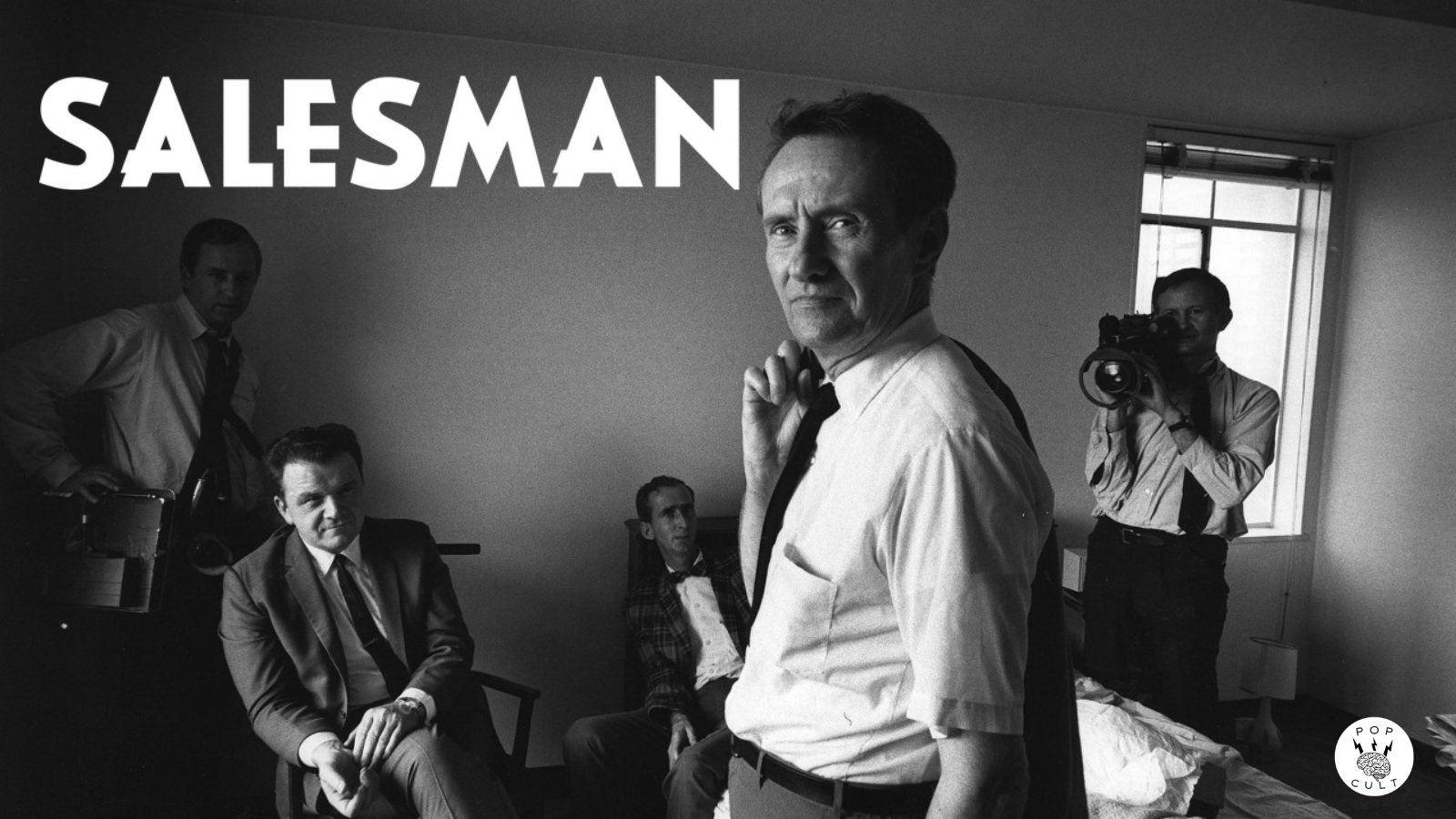
Movie Review – Salesman

Salesman (1969)
Directed by Albert Maysles, David Maysles, and Charlotte Zwerin

Cinéma vérité is a style of documentary filmmaking. It was developed by French philosopher Edgar Morin and his equally French collaborator Jean Rouch who made movies as an anthropologist. In turn, these two gentlemen derived the idea from Kino-Pravda, a series of 23 newsreels produced in the 1920s. Kino-Pravda translated from Russian into English as “film-truth,” with the intent to capture life unstaged & unperformed, simply as it happens. 

Cinéma vérité is often referred to as the “observational style” of documentary filmmaking. There are rarely staged interviews; instead, the director and/or camera operator might have a conversation with the subject, and often their portions are pared down as much as possible so that the subject is the focus of all action. The goal is that the truth of the subject is revealed through what they say, akin to talk therapy in many ways, having them go through the actions of their life, resulting in their commentary on their own actions and then the realization of the meaning of their life. Or the reverse, the subject comes to no realization, but the audience expands their understanding of the human experience through observing a person in their natural environment.

Continue reading “Movie Review – Salesman”

Movie Review – Blow-Up

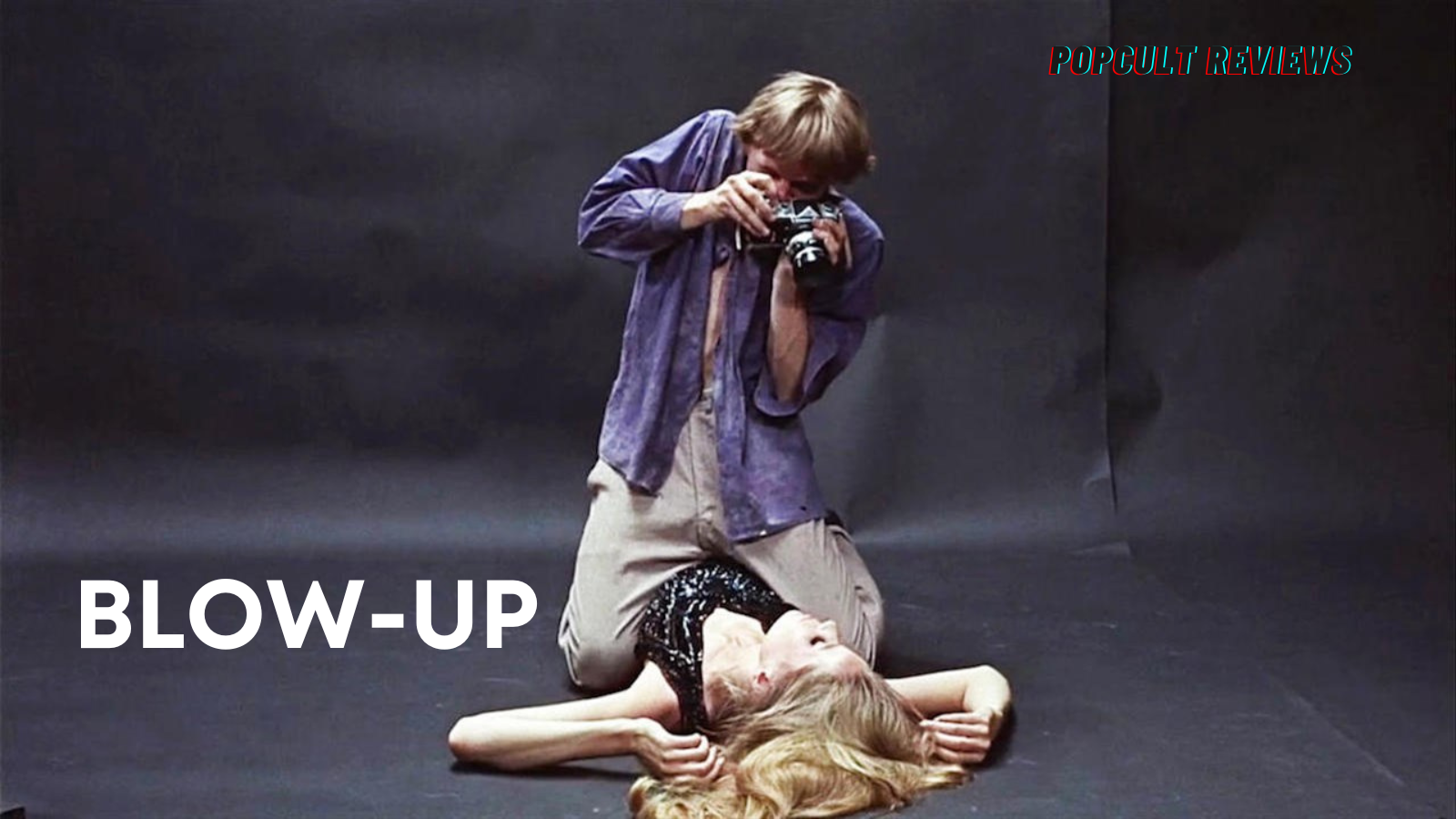
Blow-Up (1966)
Written by Michelangelo Antonioni and Tonino Guerra
Directed by Michelangelo Antonioni

For some reason, I keep drawing parallels between Michelangelo Antonioni and Alfred Hitchcock, despite their radically different filmmaking styles. Even their narratives are different in structure. The connection I’m seeing is that, thematically, they are touching the same ideas, just in radically different manners. Hitchcock is devoted to the suspense thriller narrative and uses it to spotlight modernity-related anxieties. Rear Window, Vertigo, Psycho, etc., are all about people confronting horrors within the context of the mid-20th century. Where Hitchcock provides us with concrete antagonists to focus our anxieties on, Antonioni keeps things ambiguous, the horror is existential, and thus his conclusions feel bleaker.

Continue reading “Movie Review – Blow-Up”

Movie Review – Red Desert

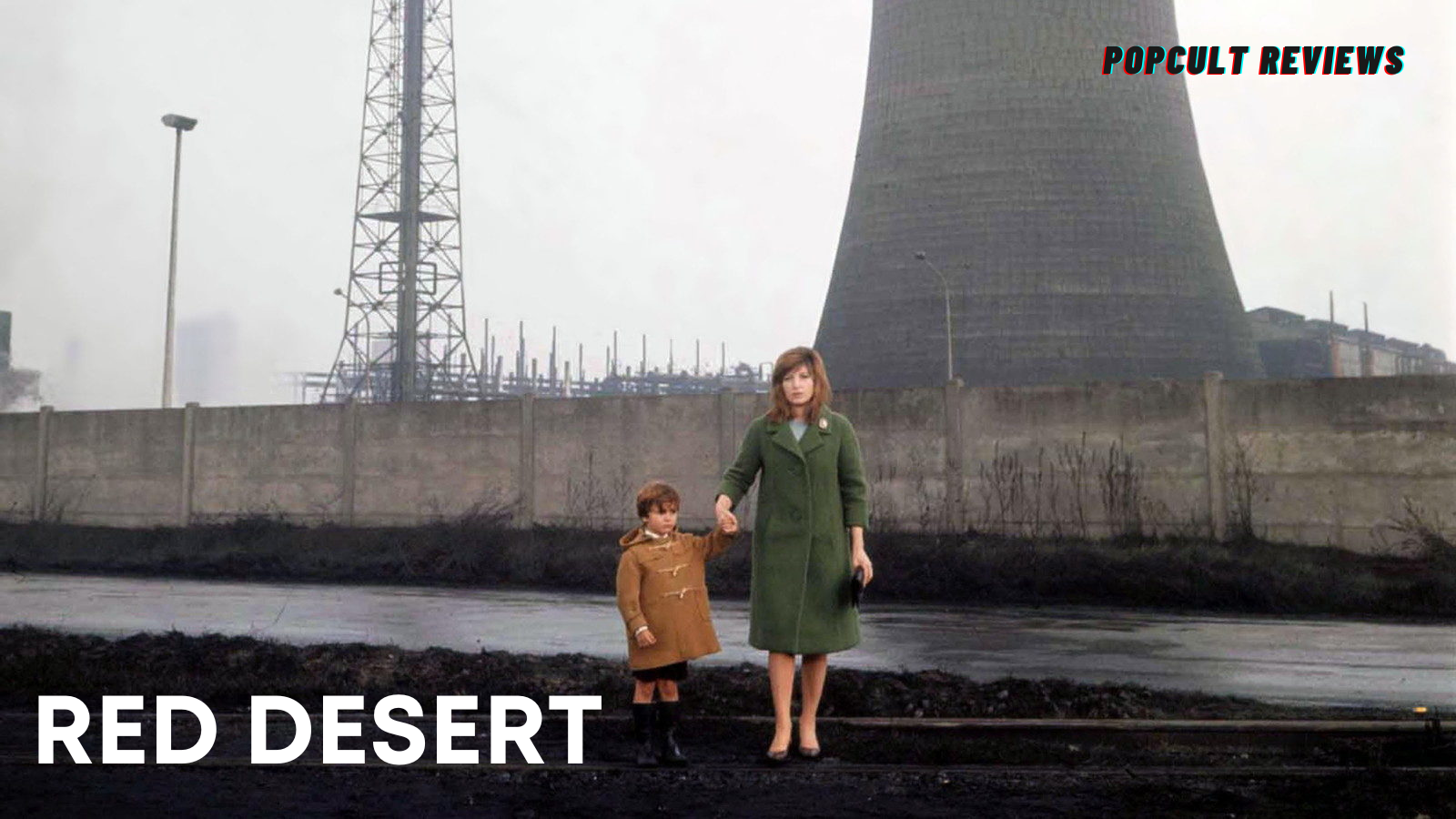
Red Desert (1964)
Written by Michelangelo Antonioni and Tonino Guerra
Directed by Michelangelo Antonioni

One of the marked changes to the Western landscape following World War II was a boom in technological innovations, particularly the transformation of industrial models. Plastic manufacturing took off, leading to the production of household items that were cheaper as they could be cranked out by machines rather than made by hand. Antonioni had been using landscapes, particularly those shaped by humans, as a constant source of alienation for his characters. They find themselves lost among the new buildings whose architecture looms over them in sinister coldness. In Red Desert, we find ourselves in a unique setting; we are no longer in the cities of Rome or Milan. Now we are in industrial Northern Italy, in a place called Ravenna. Factories sprawl across the landscape pumping bilious clouds of toxins into the air. The noise of machines drowns out the calm of nature. A river is saturated in pollutants.

Continue reading “Movie Review – Red Desert”

Movie Review – L’eclisse

L’eclisse (1962)
Written by Michelangelo Antonioni, Tonino Guerra, Elio Bartolini, and Ottiero Ottieri
Directed Michelangelo Antonioni

How can you love another person in the wake of fascism’s horrible rending of humanity? Loving someone when the death camps of the Nazis are just a train ride away? That feels impossible. Michelangelo Antonioni struggled with this as a human being, an Italian, and an artist. He was fully cognizant as Mussolini’s regime distorted and warped the Italian mind, working in league with other monsters. Antonioni stood in what was left of Italy and looked around. He saw a landscape pulsing with an aura of dread. Yet, somewhere inside of that was love. People whose hearts were aching for it but too scared to reach out. When they did, the hand recoiled quickly, overwhelmed with the anxiety of the love being offered to them as yet another mask obscuring the horror of existence in the modern world.

Continue reading “Movie Review – L’eclisse”