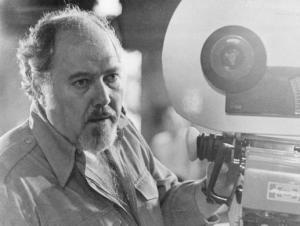
When I was five years old or younger, I remember going over to my Uncle Wallace’s house around Christmas and everyone was sitting around watching the film version of Popeye. I have faint memories of recognizing a strangeness in that film even at such a young age. I don’t have pieces of plot from back then, what is floating around in the mist of my young brain are the way the characters spoke. They mumbled and talked over each other. The language was what made it strange. I wouldn’t realize until years later that this was how I met Mr. Robert Altman.
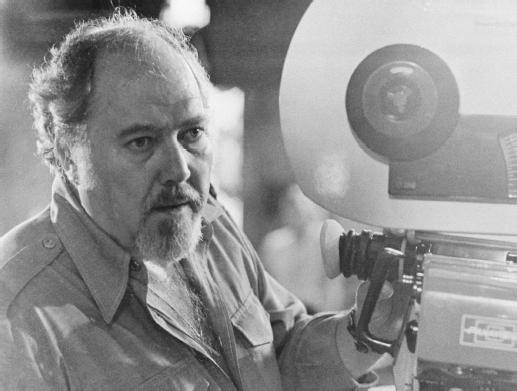
Robert Altman passed away in November of 2006, leaving behind one of the most prolific bodies of American film work. It’s said a lot that certain filmmakers are uncompromising and eventually they take a film and follow the studio’s demands, but Altman was a director who truly held fast to his ideas about cinema. There were films, that on reflection, he didn’t feel was his best work, but he always made them how he felt they should be made. He was vocal about his political beliefs, which definitely didn’t make him many fans, and he was very explicit with sexuality in films, but always in an honest, realistic way. It was that desire to capture fiction as close to reality as possible that makes many of his films somewhat uneasy to sit through.
With this four part essay, I plan on taking a look at his filmography and highlighting those signatures that make a film Altman-esque. In addition, I want to look at periods in his career where he veered dramatically from his traditional style and experimented with different modes of storytelling. I’ve seen 18 of his films but that still leaves many others I’ve yet to see. My hope is that you discover a film whose description intrigues you enough to seek it out.
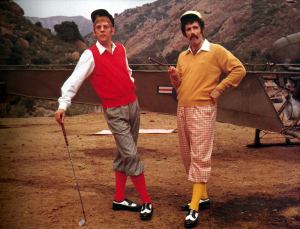
M*A*S*H (1970)
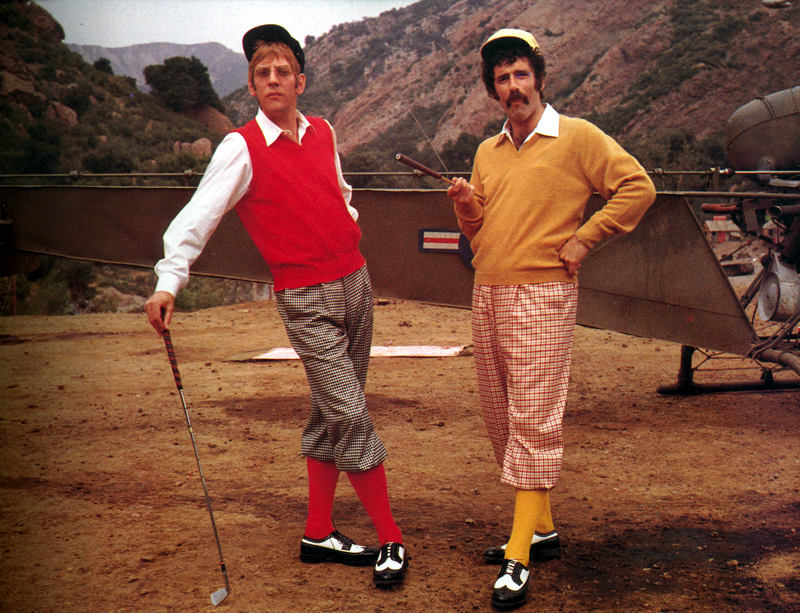
Starring Donald Sutherland, Elliot Gould, Robert Duvall, Sally Kellerman, Tom Skerritt, Rene Auberjonois
If your familiarity with this concept comes purely from the long-running sitcom then you are in for a surprise with this film. The humor here is much less sitcom-oriented and a thinly veiled swipe at the madness of the Vietnam War, something Altman opposed strongly. The novel the film is based on was about the Korean War and the film makes certain to say it is set in that conflict, yet everything being said on screen is about Vietnam. The plot is a very loose series of episodes featuring Hawkeye, Duke, and Trapper John (Sutherland, Skerritt, and Gould respectively), a trio of doctors drafted into the war and helping tend to the devastation. Throughout the picture, Altman doesn’t miss an opportunity to skewer authority, whether it be the daft commanding officer Col. Blake or the disturbingly religious Maj. Frank Burns (Duvall). What M*A*S*H is most noted for are the gruesome surgery scene where the humorous banter between doctors and nurses is played in contrast to the sounds of saw scraping through bone.
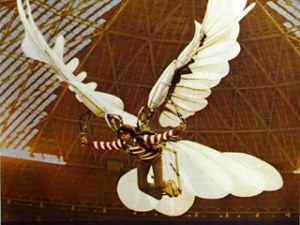
Brewster McCloud (1970)
Starring Bud Cort, Sally Kellerman, Shelly Duvall, Michael Murphy, Rene Auberjonois, Bert Remsen, Stacy Keach, Margaret Hamilton
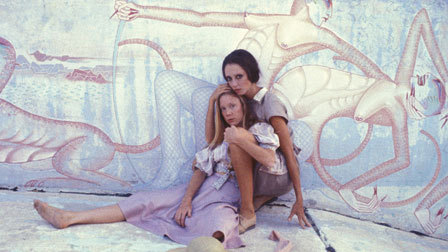
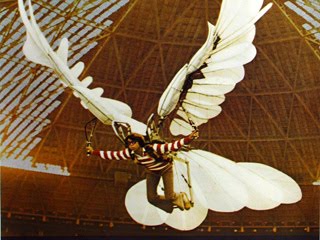
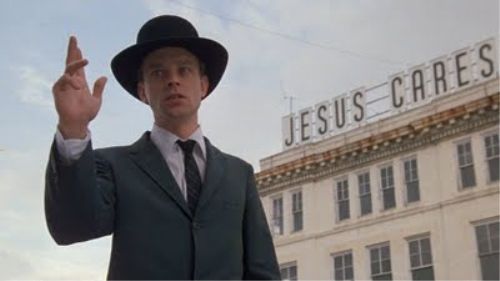
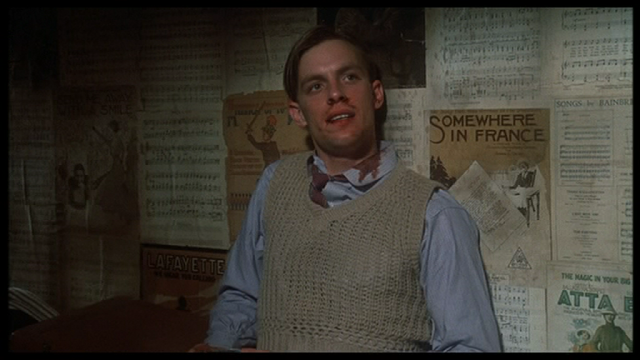
Altman continues his subversive assault on authority, this time focusing his sights on the police. This film also introduces some playful elements that would pepper the director’s early work and take more prominence in the 1980s. A framing device is used where Rene Auberjonois plays a bizarre birdlike professor telling the story of the reclusive and eccentric Houston youth Brewster McCloud (Cort). McCloud is feverishly working to build a pair of mechanical working wings a la Leonardo da Vinci. Simultaneously, a series of murders occurs around the city that all have an odd bird motif to them. Altman diverges at a few points and the story can be a little hard to follow, but overall a wonderful early picture. Be on the look out for Margaret Hamilton (The Wicked Witch of the West) in the opening credits.
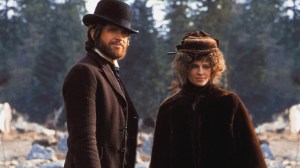
McCabe & Mrs. Miller (1971)
Starring Warren Beatty, Julie Christie, Rene Auberjonois, Shelly Duvall, Keith Carradine
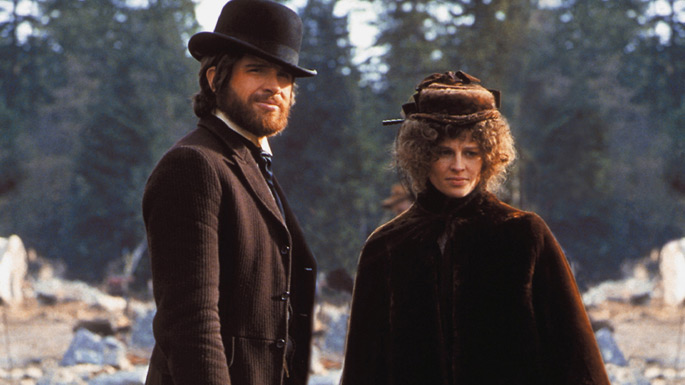
This is widely considered the first of Altman’s naturalist films. In these types of pictures he took a common film genre and instead of subverting, in what might be called an experimental fashion, Altman would try to present the genre as realistically a possible. McCabe & Mrs. Miller was Altman’s spin on the Western and it is unlike any Western made up to that point. There is no glamor in this interpretation, everything is intentionally dirty and bleak. McCabe (Beatty) is an opportunist who arrives at a mining town in Washington and proceeds to open a brothel. Mrs. Miller (Christie), a successful madam arrives and negotiates a partnership with McCabe which leads to a very profitable enterprise and McCabe assuming leadership of the town. Eventually, a larger mining company comes in wanting to purchase the town and its businesses and a very atypical showdown occurs. The film also features a beautiful original soundtrack by Leonard Cohen.
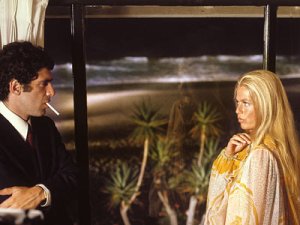
The Long Goodbye (1973)
Starring Elliot Gould, Henry Gibson
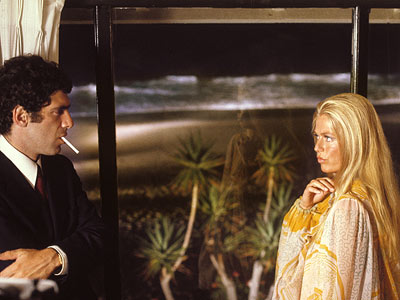
This is most definitely my favorite Altman film from this period and possibly of his entire body of work. Elliot Gould plays iconic detective Phillip Marlowe (a role originally made famous by Humphrey Bogart). True to Altman’s form, this is a total subversion of the detective genre. Marlowe is not the cool and collected direct gumshoe Hollywood cultivated in the 1930s and 40s. This Marlowe is a man who almost stumbles into the clues and leads for his case. This Marlowe is a smartass who intentionally taunts the cops at every turn. The soundtrack for the film was composed by John Williams and consists only of variations of a jazz tune title “The Long Goodbye”. There is something so satisfying to me about how this picture plays out, most likely because it doesn’t happen like every other mystery film. There’s also a wonderful subplot involving Marlowe’s finicky cat whose appetite plays a key role in how the detective ends up in the predicament of the film.
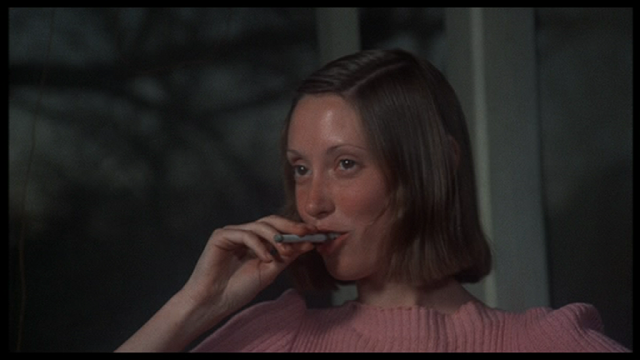
Thieves Like Us (1974)
Starring Keith Carradine, Bert Remsen, John Schuck, Shelley Duvall, Louise Fletcher, Tom Skerritt
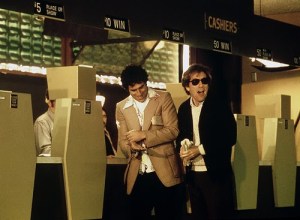
California Split (1974)
Starring Elliot Gould, George Segal
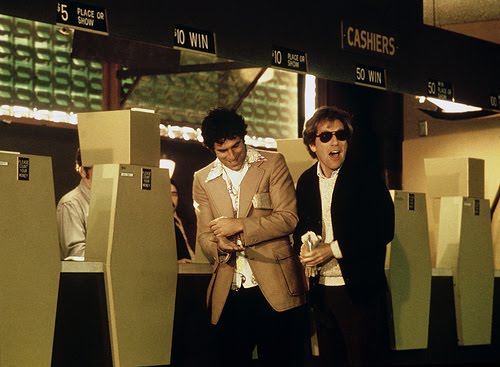
This was Altman’s attempt to take on the gambling/poker genre. Two men (Gould and Segal) meet and immediately click over their love of gambling. Underneath it all, I believe the film is actually a love story between these two men. When they first meet sparks fly and they are caught up in the thrill of the risk. Gould’s character becomes more and more immersed in their antics while Segal remains realistic about it all. Eventually, Gould’s debt forces them to travel to Reno where Amarillo Slim appears as himself in a high stakes game. The film ends on a bittersweet note, not with a huge loss and lesson learned, but with the risk fading as they just keep winning. In another way, nothing changes except how they see their relationship. What used to be exciting is now dull and so its inevitable that things will end between them.


 PopCult Reviews