TV Review – Kingdom: Exodus

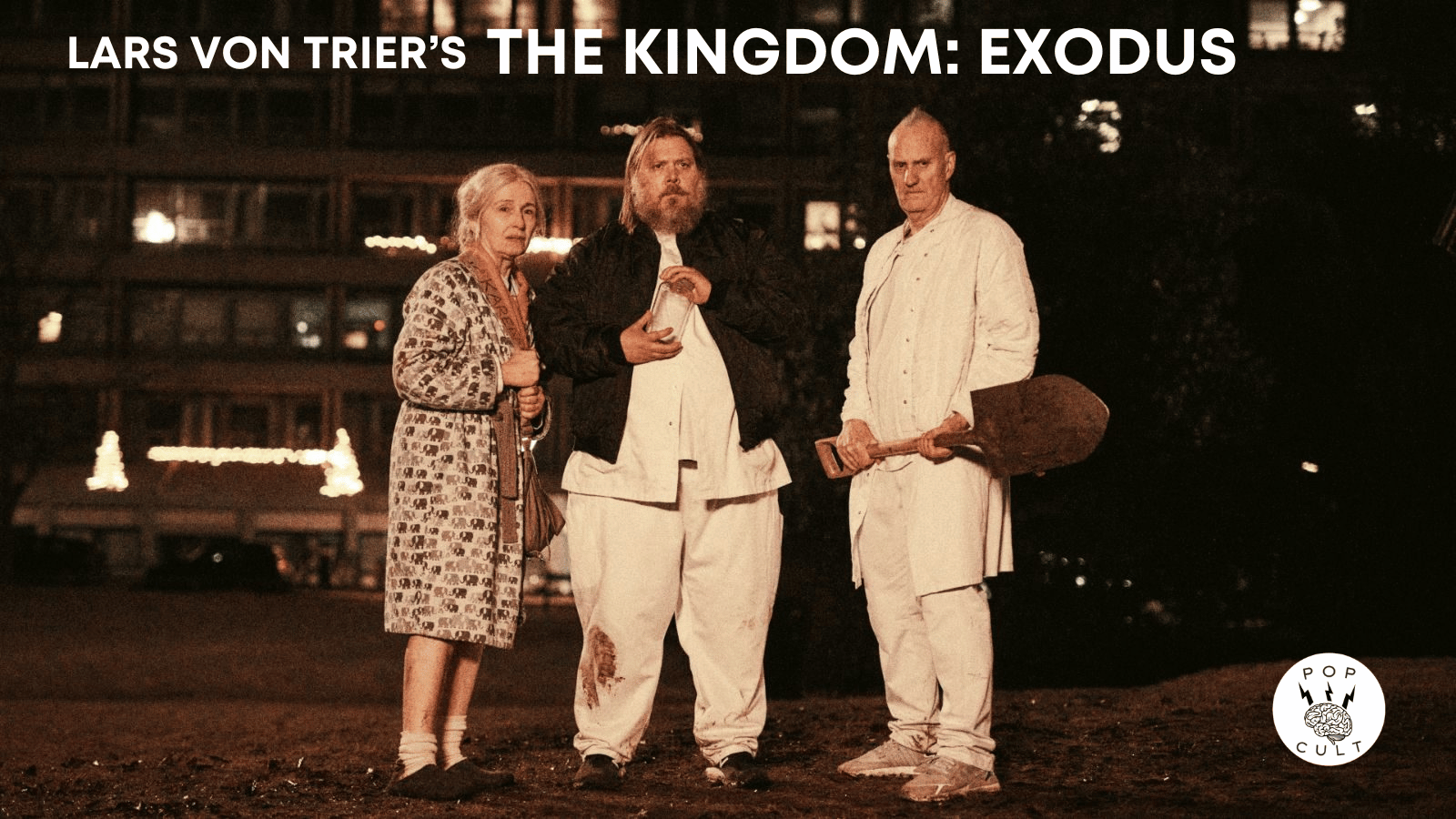
Kingdom: Exodus (Mubi)
Written by Lars von Trier and Niels Vørsel
Directed by Lars von Trier

I just can’t hate Lars von Trier. I think he’s a massive asshole, and he often has a horrible sense of humor. However, I find his work enjoyable…mostly. He’s frequently on the cusp of a breakthrough but then misses the point. While David Lynch’s Twin Peaks inspired the Kingdom series, I do not think this comes close to that masterpiece. Part of this is Lynch’s willingness to grow and change as an artist. Von Trier, instead, has entered his grumpy old man phase, and Exodus puts much of that on display. It’s eye-rolling & annoying. He has such a cynical viewpoint in the way he ends this story. Lynch wrapped up Twin Peaks: The Return with a dark ending, but it’s clear he doesn’t see things as hopeless.

Continue reading “TV Review – Kingdom: Exodus”

TV Review – The Kingdom II

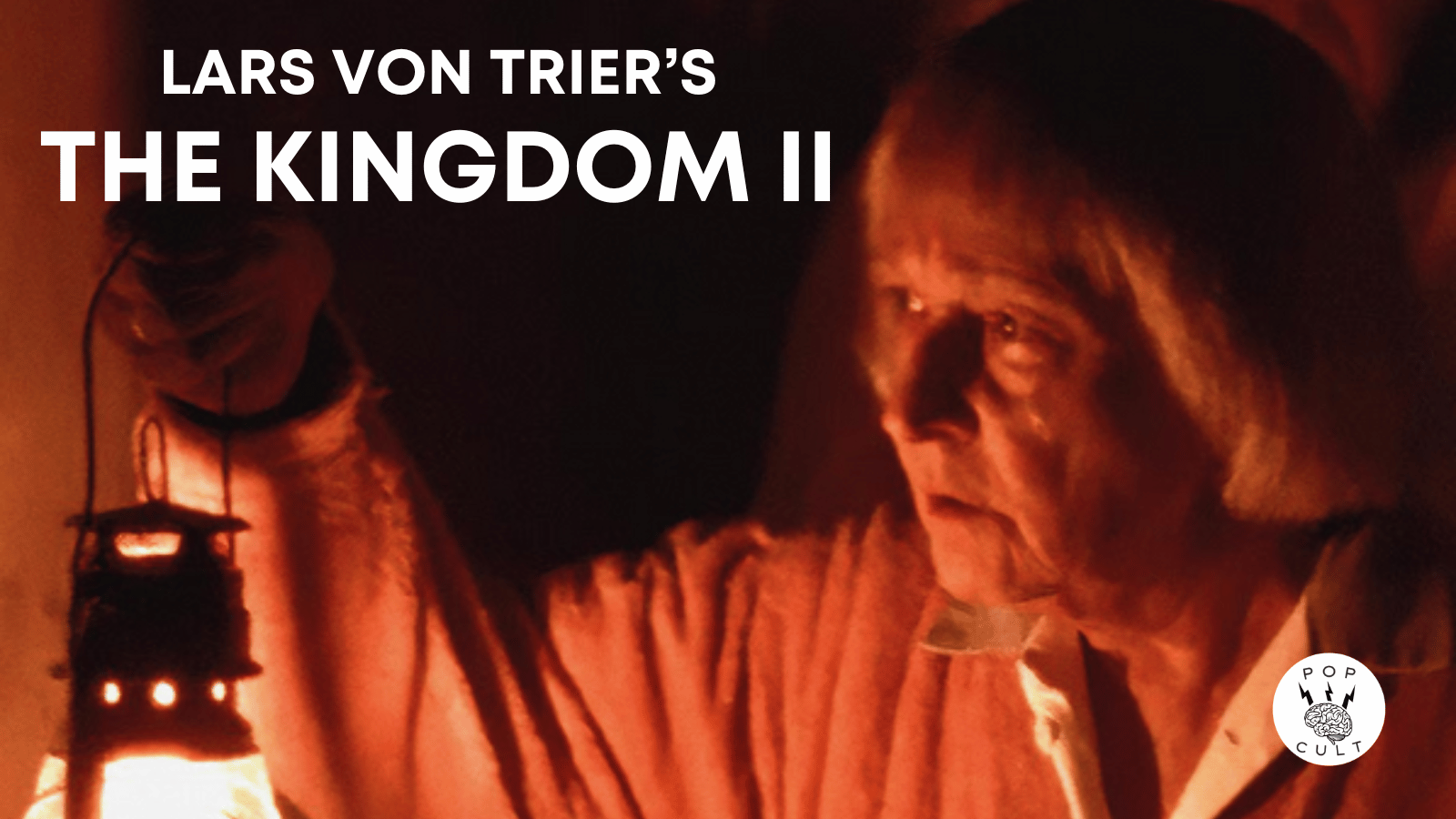
The Kingdom II (1997)
Written by Lars von Trier and Niels Vørsel
Directed by Lars von Trier and Morten Arnfred

Trying to describe where Lars von Trier’s sequel to his 1993 mini-series The Kingdom goes is quite a challenge. The thing your 21st-century sensibilities will be struck with first is going to be the cinematography. A lot of The Kingdom looks like absolute shit. This isn’t a byproduct of a filmmaking amateur but a stylistic decision made by von Trier. His 2000 masterpiece Dancer in the Dark employs early digital and has a similar grainy look to it. While the director was inspired by David Lynch’s Twin Peaks, he wasn’t simply going to mimic that style and instead employed his unique visual take on this horrific & comedic story. Through grainy handheld camerawork and especially the editing in post, he can construct a comedic rhythm that makes this show genuinely hilarious.

Continue reading “TV Review – The Kingdom II”

TV Review – The Kingdom Season One

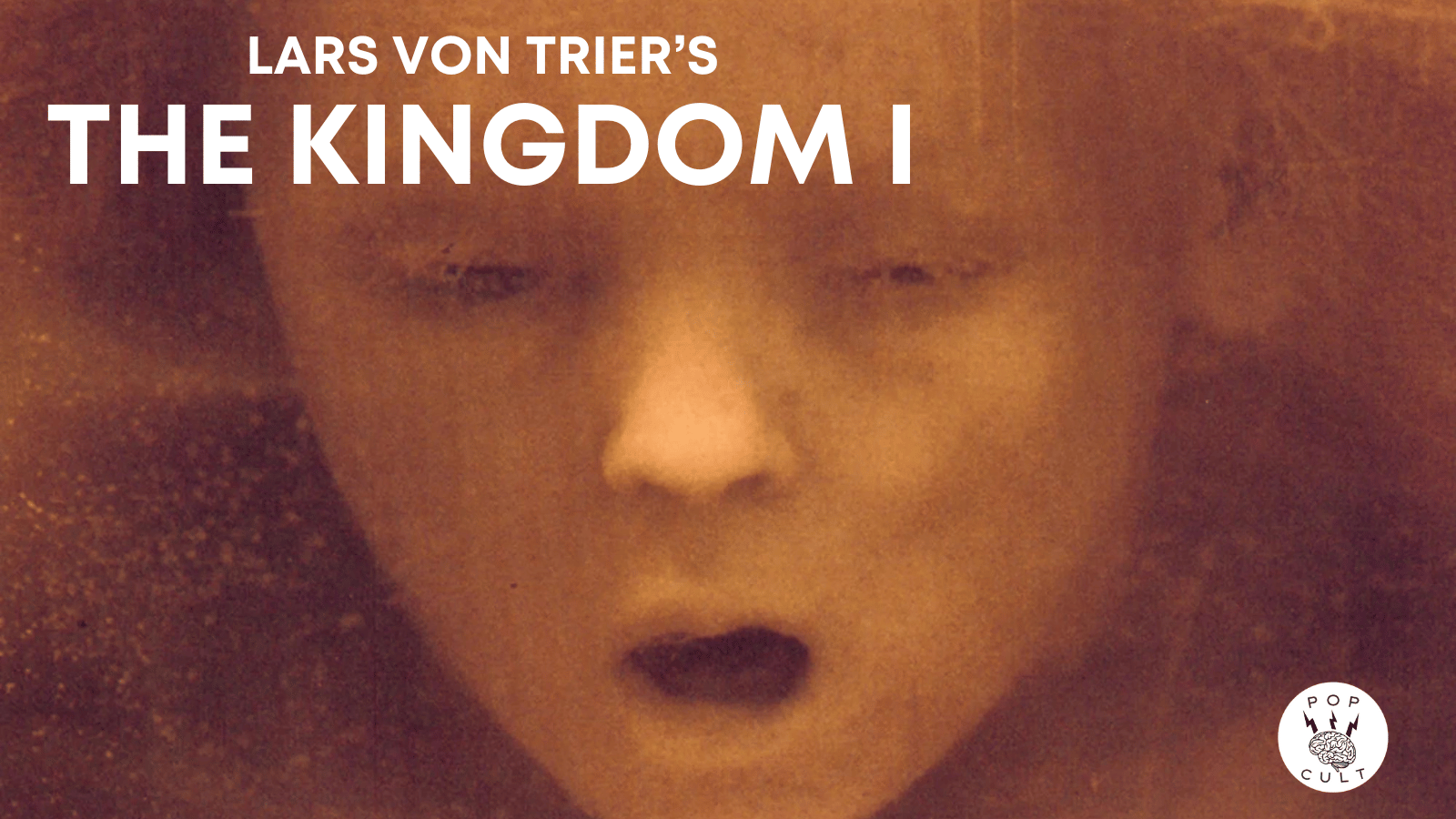
The Kingdom (Mubi)
Written by Lars von Trier, Niels Vørsel, and Tómas Gislason
Directed by Lars von Trier & Morten Arnfred

Twin Peaks is my favorite television show, and it was a worldwide phenomenon that we rarely see these days. As choices in media have expanded exponentially with streaming, in 1990, broadcast television was still the dominant home entertainment option. Twin Peaks was unlike anything American TV networks had ever shown, and this uniqueness allowed it to flourish outside the States in places like Japan, Denmark, and more. Filmmaker Lars von Trier was so inspired he developed his own TV series about a Copenhagen hospital filled with similarly eccentric characters with a supernatural bundle of secrets roiling beneath the building’s foundations.

Continue reading “TV Review – The Kingdom Season One”

PopCult Podcast – What We’ve Been Reading/Godland

So many books and so little time in life to read them, but today we have some you should add to your To Be Read list. Also, we take a journey into the harsh & surreal landscape of Iceland along with a Danish priest out to tame the people and the land.

Continue reading “PopCult Podcast – What We’ve Been Reading/Godland”

Film 2010 #22 – Terribly Happy

Terribly Happy (2008, dir. Henrik Ruben Genz)

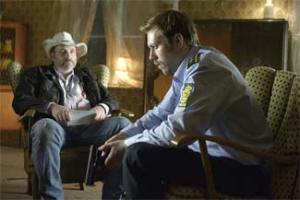
It’s a common plot device in literature of all kinds to tell the story of the outsider in the tight-knit community. The plot of this Danish film could easily be dropped down into the middle of any Midwestern agricultural based small town. We have a disgraced police officer, Robert, punished by being moved from Copenhagen to a small outpost in South Jutland. Once there he meets Ingerlise, a young wife and mother whose husband, Jørgen beats her daily. Robert is tries to keep things professional but is slowly but surely seduced beyond his duties as an officer of the law. Things progress until Robert finds his hands stained with blood and his destiny now tightly grasped in the hands of the townspeople who dislike having outsiders interfere in village business.
Landscape is a vitally important element of the film. The small town is surrounded by dismal bogs and we’re told in the opening voice over of how cows are swallowed up in a matter of minutes. One particular town legend tells of a cow who surface in the spring and birthed a two-headed calf (one cow, one human) and the cow was hidden away after women began having stillbirths. This story is a metaphor for the politics of the town. Horrible things may happen but they townsfolk hide them away so that they don’t contaminate the rest of the populace. The bog itself both metaphorically and literally swallows up the town secrets. A half sunken truck peers ominously above the water but it is never explained, the circumstances of its arrival there hidden away decades ago.
It would be easy to cast Robert as the hero against the townspeople and for the first 45 mins of the film it appears that will be so. But as the circumstances of the officer’s placement in the wilderness are revealed it becomes obvious that Robert hides as much as the citizenry around him. As these past indiscretions are uncovered, Robert becomes assimilated more and more into the workings of the town. When he first responds to a juvenile shoplifter and is told by the store manager the old marshal would hit the boy and that would teach the lesson, Robert is appalled and says he would never hit a child. Later in the film, when the second shoplifting incident occurs, Robert doesn’t hesitate for a second to strike the child down.
This is a very complex crime film about unspoken social contracts. As quirky and eerie as the town appears and as dark as Robert’s actions become, they are fundamentally no different than a community where a father who abuses his family goes unreported or where a young woman refrains from reporting a rape out of fear of how her social standing will be effected. Director Genz tells a very universal story in a clever and dynamic way.