Movie Review – Goodfellas

Goodfellas (1990)
Written by Nicholas Pileggi & Martin Scorsese
Directed by Martin Scorsese

Goodfellas is without a doubt one of the most influential films of the last 50 years. I would argue this movie has influenced East Coast Italian Americans’ portrayal far more than Francis Ford Coppola’s Godfather films. While Coppola’s work is concerned with the mythic figures at the top, Scorsese explores the regular working class wise guys who have to hustle every day to make money and stay alive. This makes them incredibly relatable. Audiences will always relate to the guy who’s just trying to get by, then the mafia kingpin at the top. I would say Goodfellas is the best gangster film ever made.

Continue reading “Movie Review – Goodfellas”

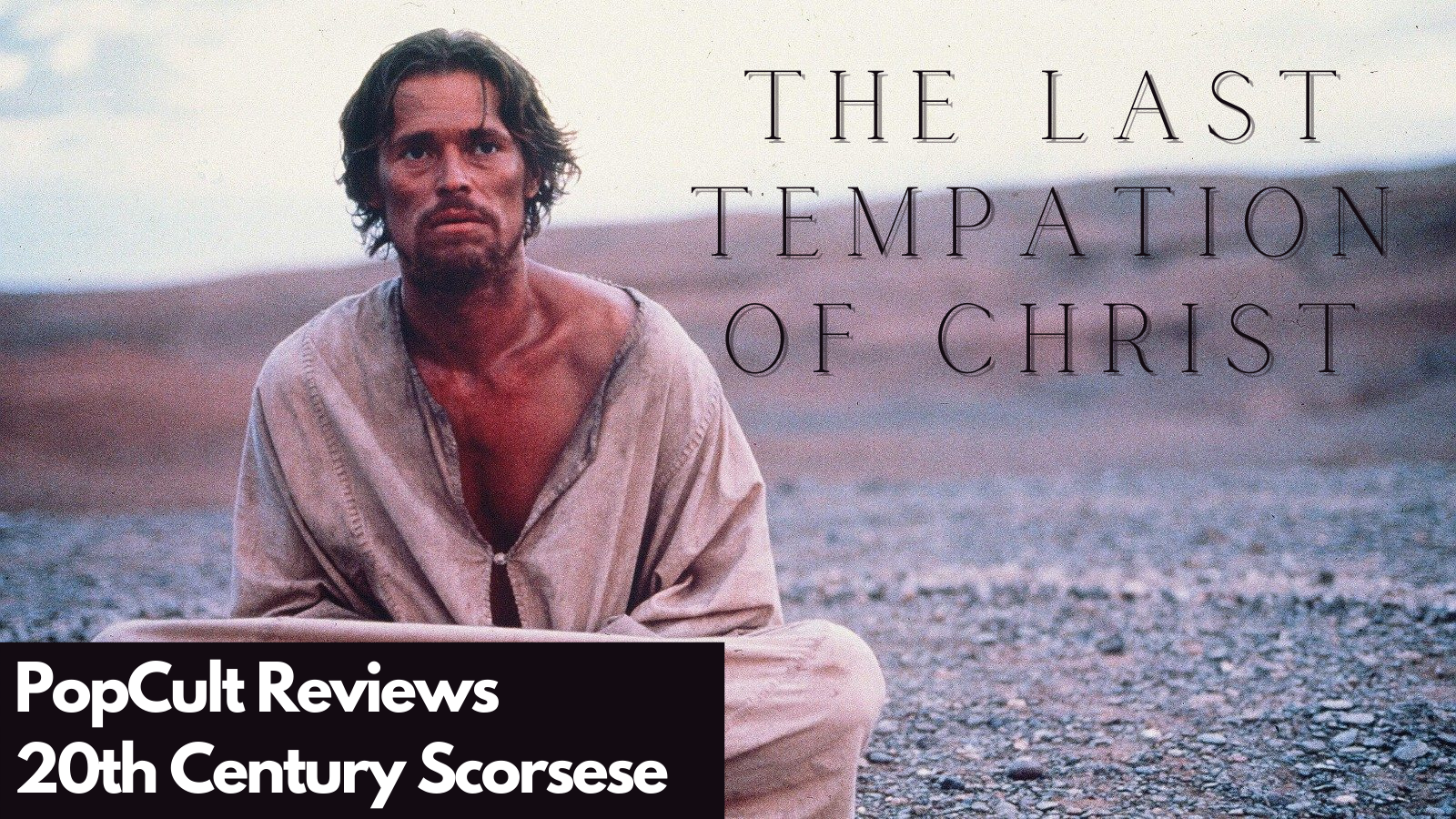
Movie Review – The Last Temptation of Christ

The Last Temptation of Christ (1988)
Written by Paul Schrader
Directed by Martin Scorsese

It’s absolutely fascinating to see two artists who have delivered masterpieces (Taxi Driver, Raging Bull) so spectacularly bomb a film. I think it’s especially interesting because this was such a passion project for Martin Scorsese. He first read Niko Kazantzakis’s novel while filming Boxcar Bertha for Roger Corman in 1972. In turn, Scorsese gave the book to Schrader, and the two planned to make this as the follow-up to The King of Comedy. Right-wing fundamentalist Christian groups and Catholic morality organizations started letter writing to complain about the production, and Paramount pulled back. 

Continue reading “Movie Review – The Last Temptation of Christ”

Movie Review – The Color of Money

The Color of Money (1986)
Written by Richard Price
Directed by Martin Scorsese

The Color of Money is a very appropriately titled film because it feels like Martin Scorsese made it to progress other projects, mostly The Last Temptation of Christ. This was essentially a work-for-hire picture that helped keep Scorsese busy and honing his craft. He doesn’t really use any of the stable of actors you might expect, even in minor roles. John Turturro, who had a “blink and you’ll miss him” cameo in Raging Bull, has a small supporting role, but overall, this is a group of performers Scorsese was working with for the first time. Paul Newman and Tom Cruise are the co-male leads, with Mary Elizabeth Mastrantonio as the female lead. It’s also a sequel to a film made twenty years earlier. All these elements make for a movie you probably wouldn’t guess Scorsese made unless you saw the opening credits.

Continue reading “Movie Review – The Color of Money”

Movie Review – After Hours

After Hours (1985)
Written by Joseph Minion
Directed by Martin Scorsese

Following Raging Bull, Martin Scorsese made The King of Comedy, a thematic companion piece to Taxi Driver. The audience’s expectations didn’t match what the director had in mind and so it did not perform well at the box office while being well received by critics. Roger Ebert tussled with the film and declared it “one of the creepiest […] and best of the year.” The 1980s would prove to be an odd decade for Scorsese and he seemed to embrace that strangeness in After Hours. This was a dark comedy based on a stage monologue and Scorsese would come to explain that the film reflected his personal frustrations dealing with studios while trying to get The Passion of the Christ produced.

Continue reading “Movie Review – After Hours”

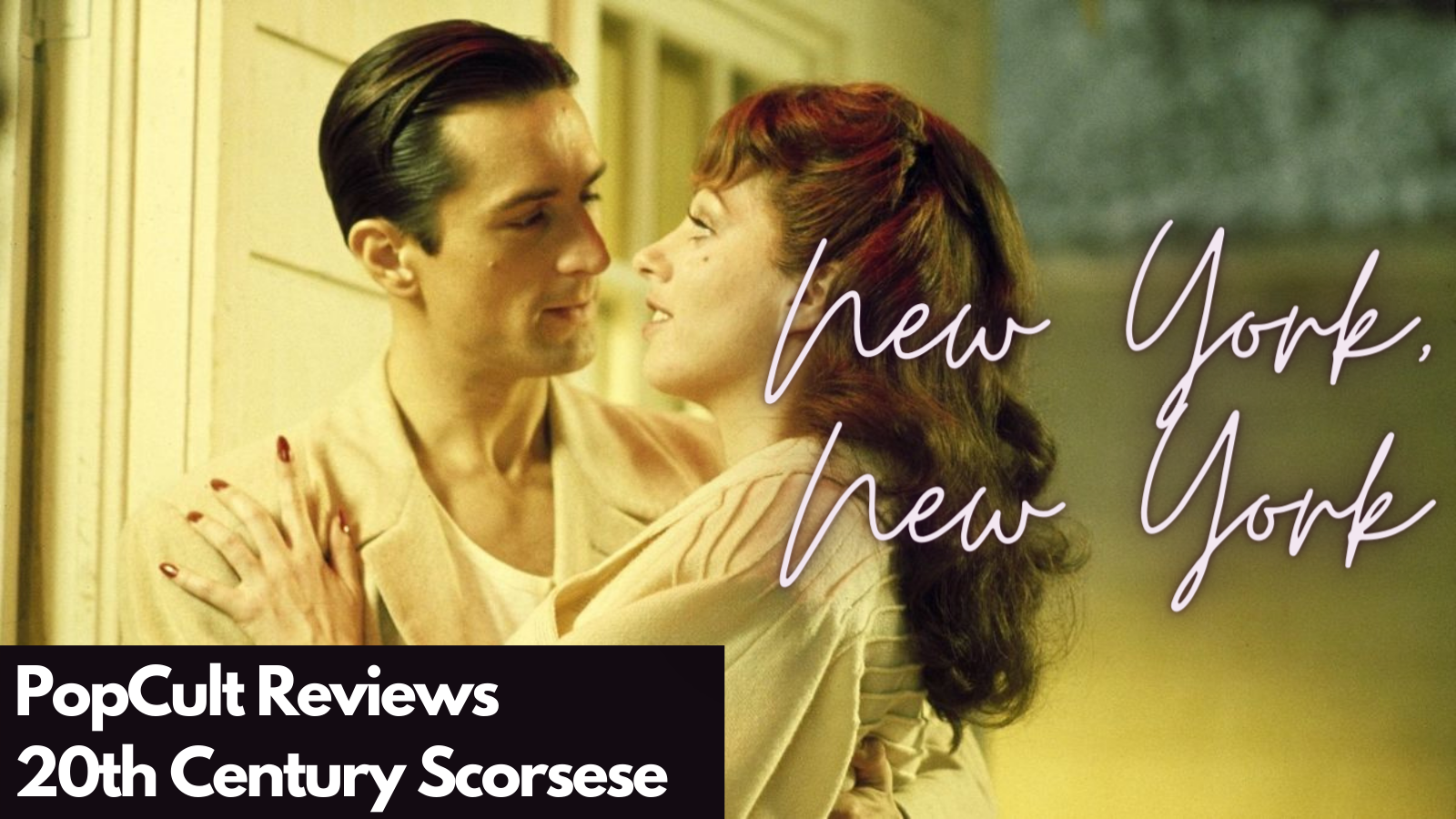
Movie Review – New York, New York

New York, New York (1977)
Written by Mardik Martin & Earl Mac Rauch
Music by John Kander & Fred Ebb
Directed by Martin Scorsese

If you were like me, growing up, you just assumed the song “New York, New York” was just some old song from back in the 1930s/1940s. However, I discovered that it was initially written for Martin Scorsese’s musical film of the same title in 1977. It makes sense that I might be tricked into thinking it was an older piece of music as it was written by Broadway legends Kander & Ebb (Cabaret, Chicago). They have a pitch-perfect ear for the sound of Broadway and a specific period, so the song feels like it’s just been around forever. The problems came from having the wrong mix of elements, Scorsese trying to blend ingredients of harsh realism with something that clearly made out of love for the golden age of Hollywood musicals. 

Continue reading “Movie Review – New York, New York”

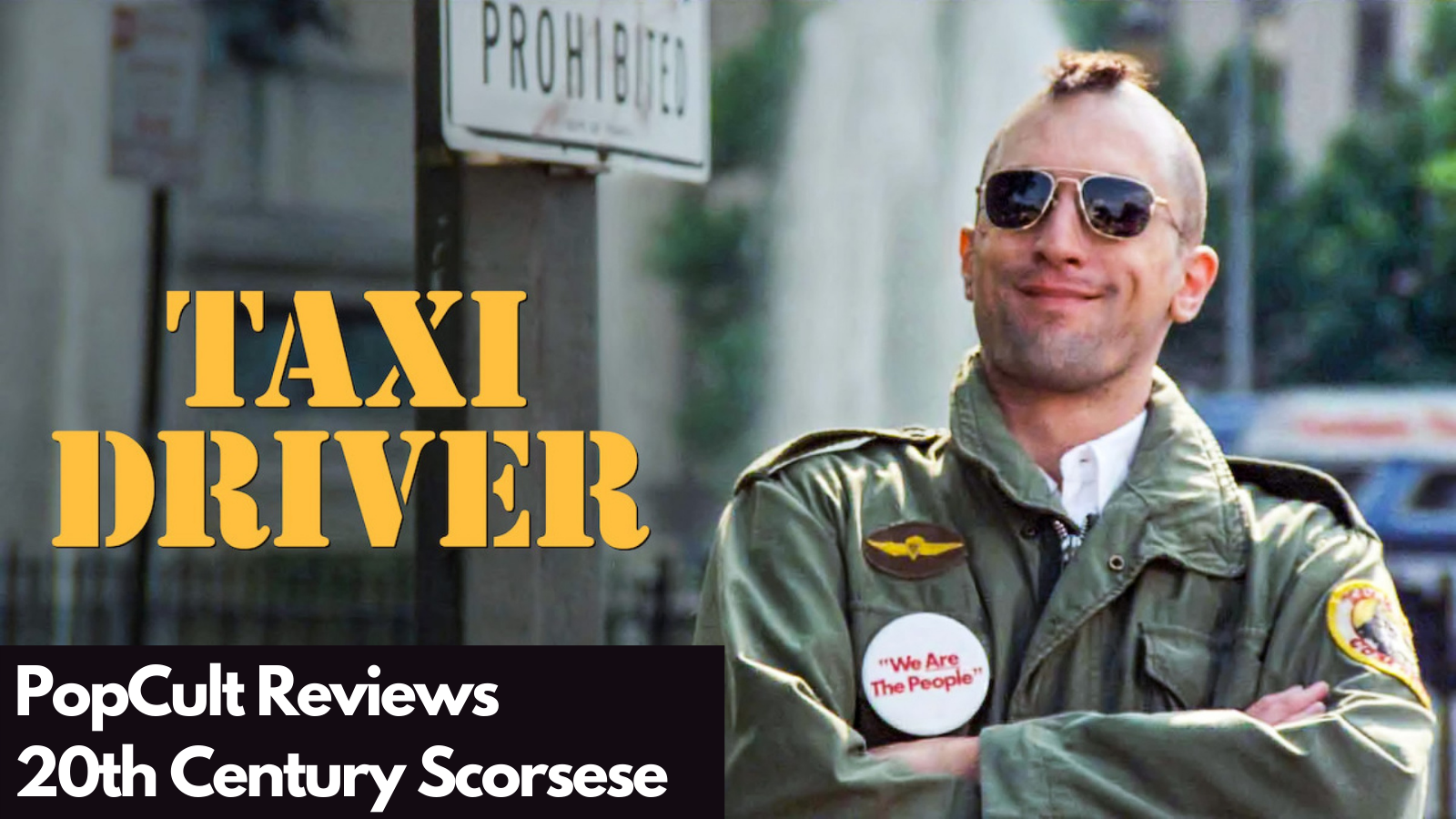
Movie Review – Taxi Driver

Taxi Driver (1976)
Written by Paul Schrader
Directed by Martin Scorsese

There are a lot of movies that permeated the cultural zeitgeist, referenced endlessly even in children’s programming. These were the first memes that served as shorthand to indicate a connection between the creator and the audience’s knowledge of pop culture. “You talkin’ to me?” is one of those pieces of culture that almost every person has likely encountered in some form; most of them have probably never seen Taxi Driver. There is a reason why these films breakthrough so powerfully and lodge themselves in our collective reference banks. Taxi Driver is a movie masterpiece, a confluence of perfect writing, directing, acting, musical score, editing, and every other film production element. This is not an overhyped film but a piece of cinema that people assume they understand without watching it. In an age where the incel and toxic masculinity had reached a sort of chaotic peak, Taxi Driver delivers an examination on this type of warped individual with almost clinical neutrality. 

Continue reading “Movie Review – Taxi Driver”

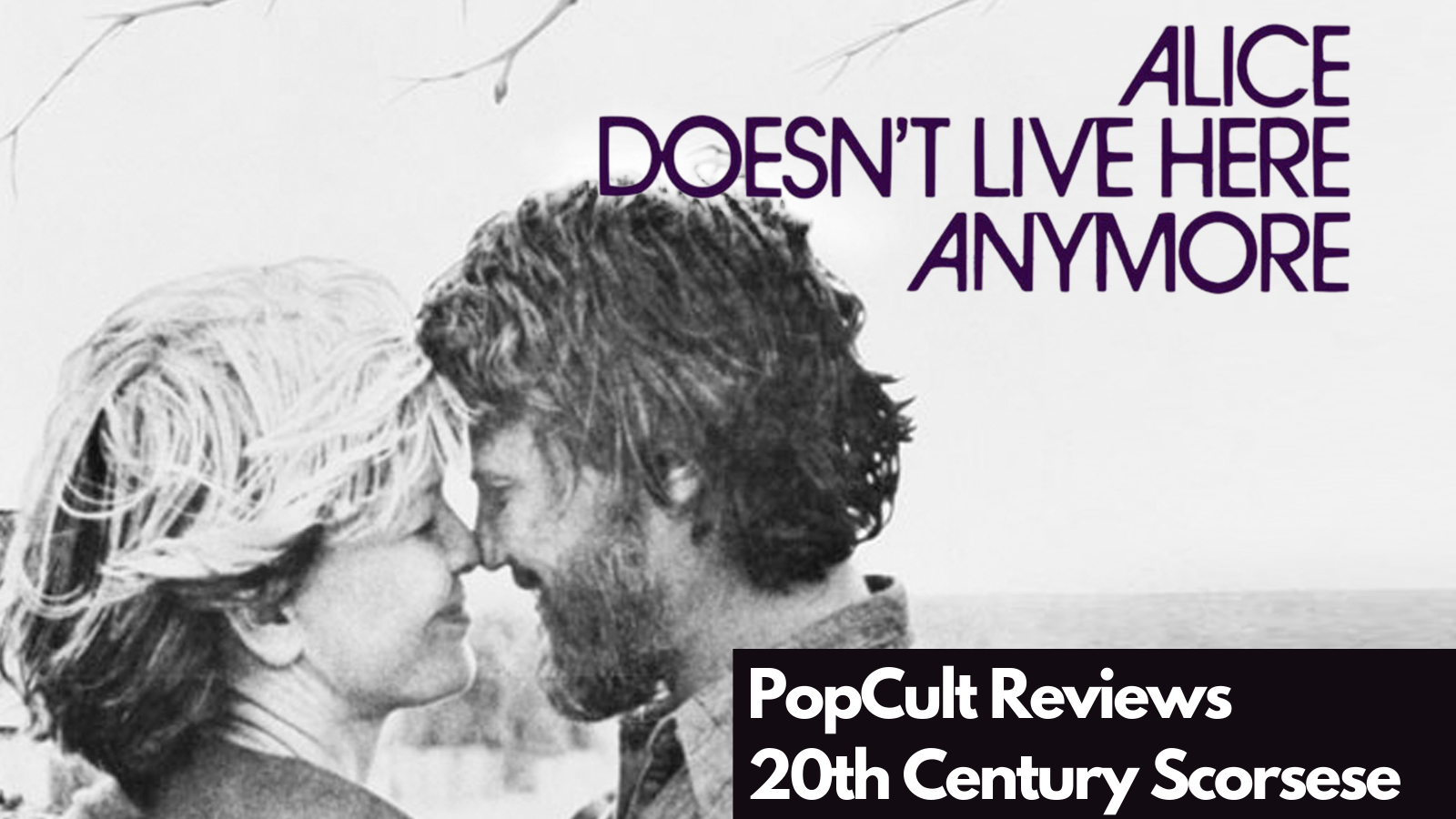
Movie Review – Alice Doesn’t Live Here Anymore

Alice Doesn’t Live Here Anymore (1974)
Written by Robert Getchell
Directed by Martin Scorsese

Interestingly, the popular perception of Martin Scorsese is as a director of macho gangster pictures. Yes, he has made a considerable number of them, but after Mean Streets, it wouldn’t return that world until 1990’s Goodfellas. Instead, he showcased a genuine love of the cinema. In the documentary A Personal Journey With Martin Scorsese Through American Movies, it becomes inarguable that the director is most interested in continuing conversation begun in films he watched throughout his life. Alice Doesn’t Live Here Anymore opens with a young girl walking along a country set in a soundstage, which immediately evokes images of Victor Fleming’s The Wizard of Oz. Yet, Scorsese immediately subverts our expectations by having young Alice give an expletive-laden outburst.

Continue reading “Movie Review – Alice Doesn’t Live Here Anymore”

Movie Review – Mean Streets

Mean Streets (1973)
Written by Martin Scorsese & Mardik Martin
Directed by Martin Scorsese

Mean Streets was not the first film made by Martin Scorsese, but it certainly is the first Scorsese film. By that, I mean it is the first movie he wrote & directed that begins to explore the themes and types of characters that would turn up in his work for the next nearly five decades to the present. You can see the seeds of future projects like Taxi Driver and Goodfellas beginning to emerge. Scorsese’s signature use of music explodes from the opening scenes, and his ambition far exceeds the modest budget of this film. Mean Streets was a significant sign that new talent was emerging from the 1970s shoestring moviemaking culture, an auteur whose work would resonate for generations.

Continue reading “Movie Review – Mean Streets”

Film 2010 #35 – Shutter Island


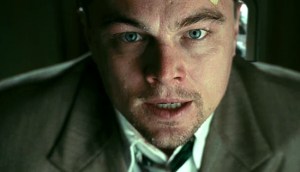
Shutter Island (2010, dir. Martin Scorsese)
Starring Leonardo DiCaprio, Mark Ruffalo, Ben Kingsley, Michelle Williams, Max von Sydow, Emily Mortimer, Patricia Clarkson, Jackie Earle Haley, Elias Koteas

My immediate reaction after seeing the first trailer for Shutter Island was that it would be interesting to see Scorsese tackle a film with horror elements. After thinking about this for a little while longer, I realized he already had in Taxi Driver, a film I think of as an urban horror picture more than anything else. Upon further contemplation, I realized we found similarly paranoid protagonists in many Scorsese pictures: The King of Comedy, Raging Bull, Goodfellas, and of course, The Aviator. This is why Shutter Island, while stylistically a departure for the directing legend, is thematically at home in his body of work.
The premise brings U.S. Marshall Teddy Daniels (DiCaprio) to the Ashecliffe Hospital for the Criminally Insane located on Shutter Island. Rachel Solando, a patient at the asylum has vanished so Daniels, and his new partner Chuck Aule (Ruffalo) have come to investigate. Daniels is introduced to the facilities by Dr. John Cawley (Kingsley) and eventually meets the head of the hospital, Dr. Naehring (Sydow), a German who brings back Daniels animosity for the Nazi atrocities he witnessed during World War II. This combined with strange nightmares about Daniels’ late wife intensify his paranoia while on the Island and he begins to formulate what he believes is the real horror going on behind the scenes on Shutter Island.
What hits you first about this film is the score. The music was designed and chosen by long-time friend of Scorsese and former member of The Band, Robbie Robertson and he proves he has an ear for some powerful modernist compositions. There are elements of Bernard Hermann yet never played to the point of absurdity. Because of the strong musical elements they create a balance with the unscored moments. An encounter in a cave among the cliffs of the island goes unscored, despite there being revelations made there that would have received a crescendo of strings in an older picture. It’s those choices of presence and absence that strike the right balance in the film.
At its core, this is simply a variation on the haunted house trope. What sets it apart from a B-movie are the very powerful artistic masterstrokes Scorsese uses. The dream/nightmare sequences Daniels experiences, whether they be in sleep or in the middle of the day, inform the audience with the clues the investigator fails to find in the conscious world. I was particularly intrigued by the cultural paranoias of the day that seeped into the fiber of the film. We have Daniels haunted by the sights of Jews frozen to death at Dachau and his unit subsequent expunging of the camp’s guards in an era where PTSD was not something remotely thought about. In addition, characters mention the fears of atomic annihilation as a result of the Cold War, the idea of Nazi scientist-torturers being granted pardons for service to the US military, and brainwashing techniques of HUAC. This constant atmosphere of not-knowing and being watched makes Shutter a perfect companion piece to The Aviator.
Shutter Island may not end on the most satisfying of notes, but there really is no other way for it to end. Such a story can’t deliver any true sense of justice and still remain true to its film noir and horror roots. From the first time we see Daniels, hunched over a toilet as the ferry rocks around him, it is apparent this character is in bad shape. An odyssey to an island of madness can never make such a condition better.