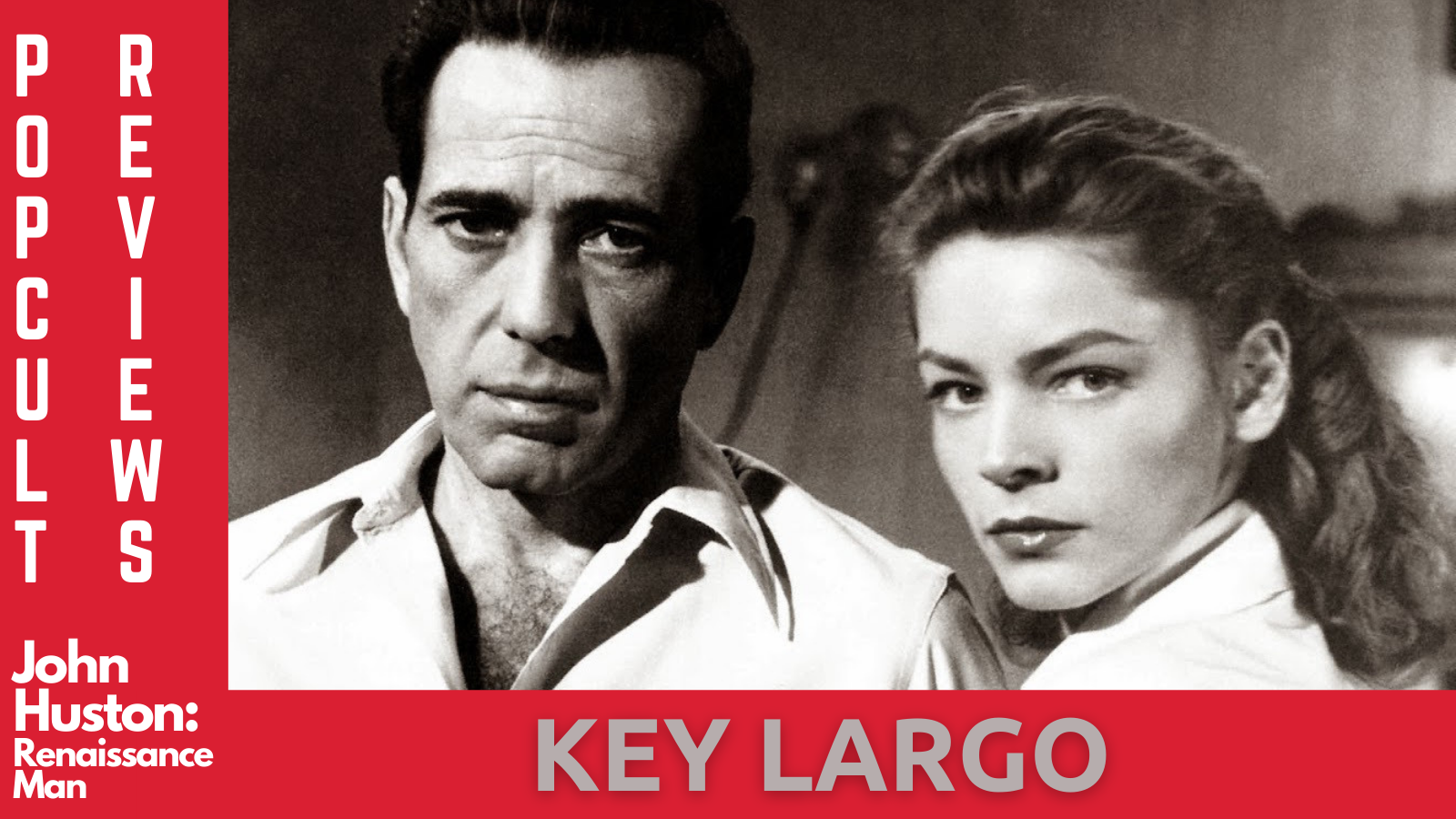
Key Largo (1948) Written by Richard Brooks and John Huston Directed by John Huston
Back during the 1930s & 40s, it was common for a director to have two films out per year. These days that would be a surprising accomplishment, but you were expected to churn out a larger workload at the height of the studio system. John Huston was working under this type of contract at Warner Brothers, so 1948 saw the release of The Treasure of Sierra Madre in January, followed by Key Largo in July. Huston had such an eye for detail & quality he wasn’t going to let one film suffer to make the other better. He’d ensure both movies were fantastic. And that he certainly did.
Wandavision Episode 9 (Disney+) Written by Jac Schaeffer Directed by Matt Shakman
So the first of the Marvel series has come to an end in rather a standard way. All of the grand fan theories really didn’t add up to much, with the writers choosing to not go too deep into the next phase of the MCU. There’s an exact resolution for Wanda here, the story told over these episodes comes to a definite ending, but we see a new path opened up for her leading into the next Doctor Strange film. The same can be said for Vision, who has a new lease on life. I’m not sure if we will see him again when Wanda returns, but I am sure there are plans for a reunion somewhere down the line.
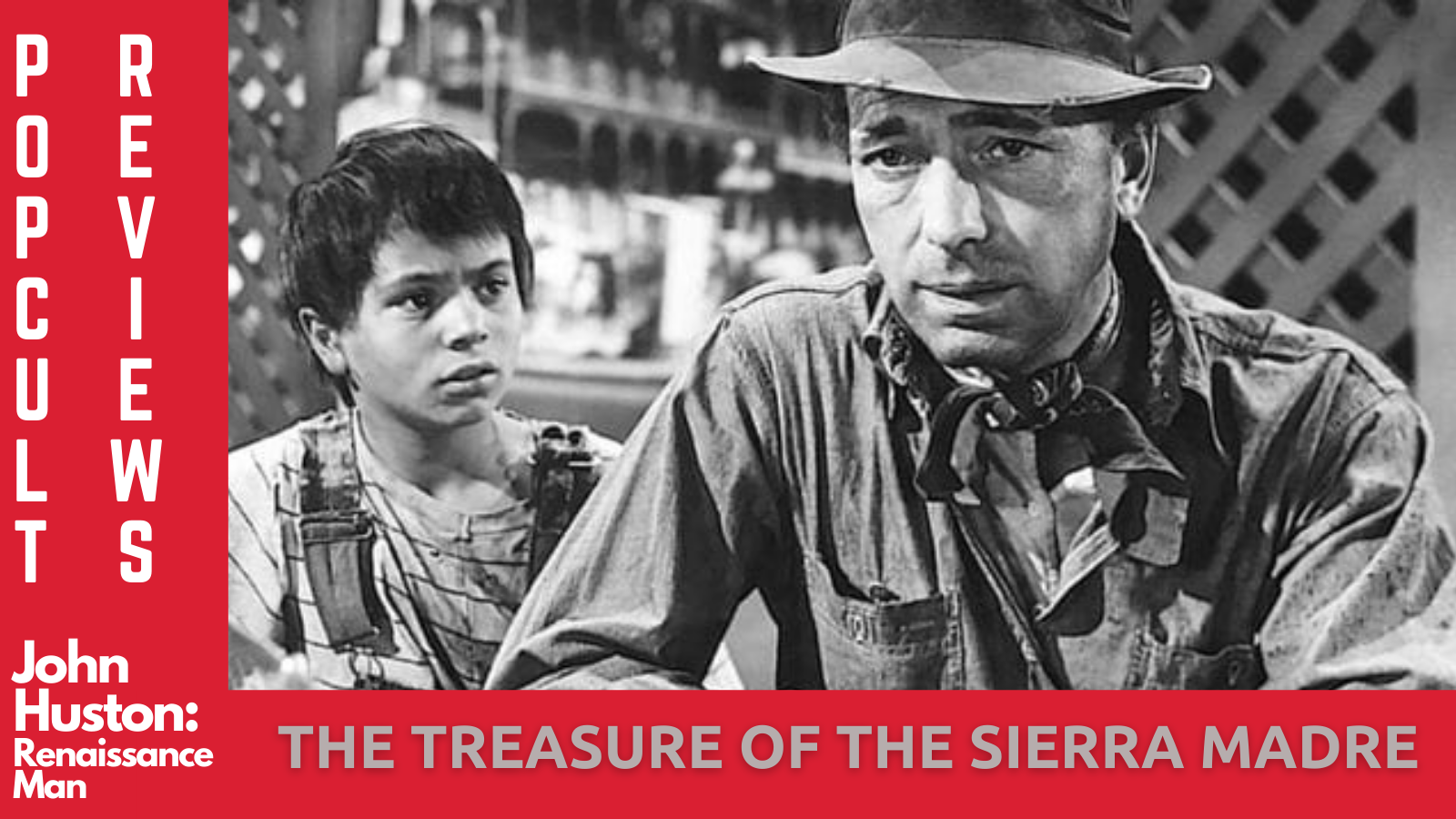
Movie Review – The Treasure of the Sierra Madre (1948) Written & Directed by John Huston
John Huston served in the U.S. Army during World War II, making films for the Signal Corps. He directed several films, both narrative & documentary, about soldiers and the war during this time. Despite the acclaim these pictures received, they were ultimately banned because some of them focused on failures of the U.S. military. The brass labeled them as “demoralizing to the morale of the troops.” He seemed to develop a fascination with war documentaries for the rest of his life as his daughter, Anjelica, said that when the family moved to Ireland, that was most of what they watched at home. I think something about men put in desperate situations surrounded by violence must have appealed to Huston, and it was the basis of his next film.
The Phone Message (Season 2, Episode 4) Original airdate: February 13, 1991 Written by Larry David & Jerry Seinfeld Directed by Tom Cherones
You’ve probably heard the story of Seinfeld’s creation before. Comedian Jerry Seinfeld and his friend Larry David co-developed the series for NBC. They focused on Seinfeld’s comedy routine, observations about mundane aspects of life and used it as a foundation for the sitcom. The result was a show that didn’t teach a heart-warming lesson in each episode or even have morally redeemable characters. It was a clear break from the direction the American sitcom was going in the 1970s and 80s. The result was that it became the highest-rated program of its day and had a tremendous influence on programming even today. It also has developed its fair share of people who dislike the series. They see it as grossly cynical & part of an out-dated mindset. They aren’t wrong, and revisiting it with a modern lens does illuminate problems I couldn’t see as a kid. However, I argue it is still a hilarious show and was just the sort of things a segment of the population needed who wasn’t interested in something like Full House or other family-oriented sitcoms.
Superhero Spotlight – Green Lantern (John Stewart)
In 1971, it was clear things needed to change in the comics industry. Frankly, they had needed to change for decades, but things move at a snail’s pace with most American institutions. One of the most significant changes made at the end of 1971 was the introduction of DC Comics’ first black superhero with John Stewart. He was the newest Green Lantern, temporarily replacing the book’s main character Hal Jordan for a short bit. Stewart would become an integral figure in the Green Lantern title as well as the DC Universe.
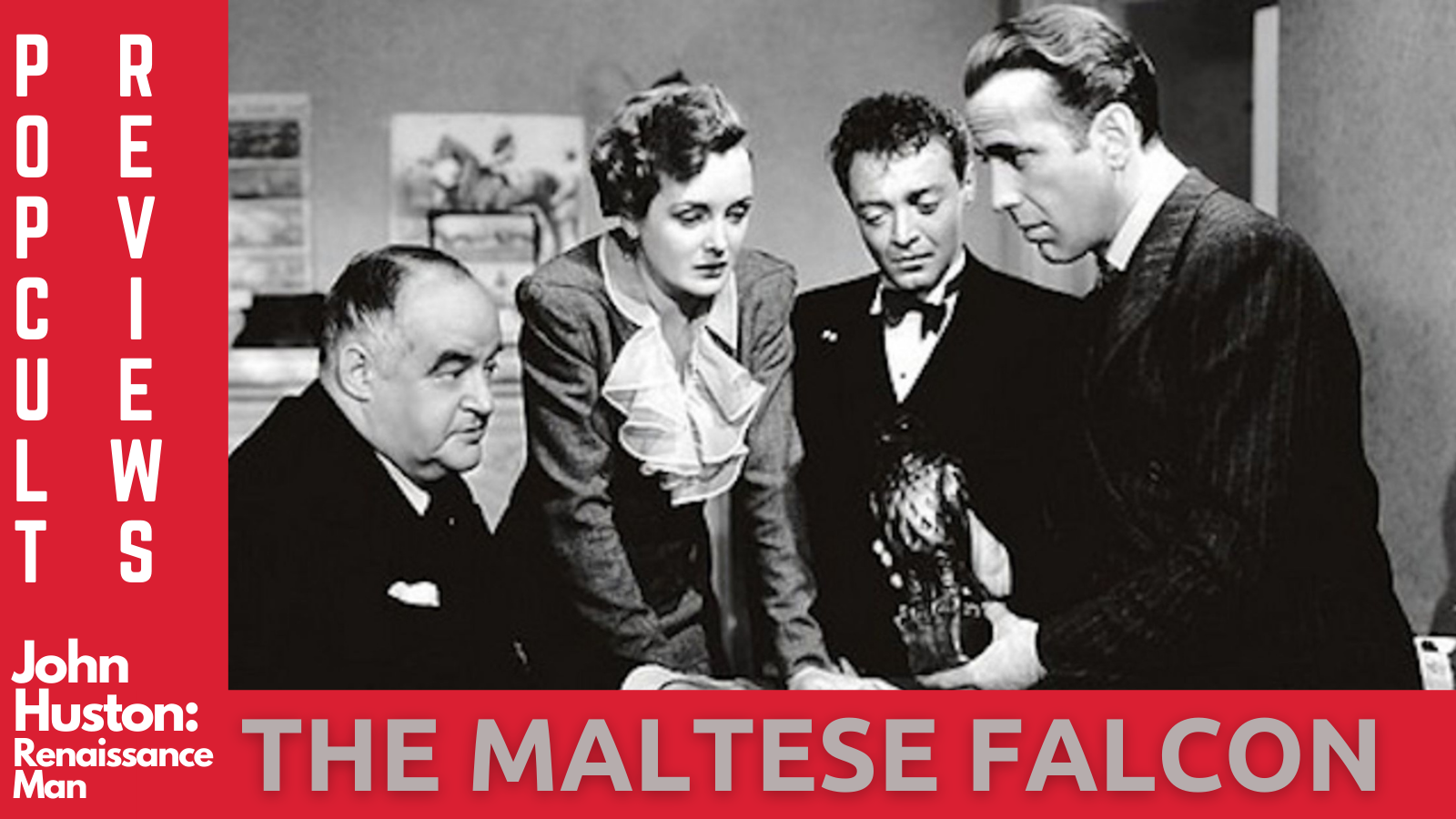
The Maltese Falcon (1941) Written & Directed by John Huston
John Huston was born into entertainment. His father, Walter, got his start in vaudeville and then transitioned into movies. When John was born, his parent ended their earlier careers (his mother was a sports editor) to be more domestic. Walter became a civil engineer for a few years but eventually returned to acting. The couple divorced when John was six, and he spent much of his childhood at boarding schools, ferried between his two parents. Watching Walter act on stage profoundly affected John’s burgeoning love of storytelling and set him on his path to becoming a filmmaker.
There was a period in the mid to late 2010s where horror anthologies had an enormous surge in popularity. They are reasonably cheap movies to film, directors are asked to work on small budgets, and many are already used to that expectation. The risk you run with anthologies of any kind is that tones and style will be so varied that it’s just simply not possible to make one of these films that appeal to everyone from start to finish. The ABCs of Death series was like a horror anthology in overdrive as it touted 26 shorts in one package, a film for each letter of the English alphabet. This means there will be films you love and ones you will outright hate; your mileage may vary. In this review, I will talk specifically about the shorts I enjoyed.
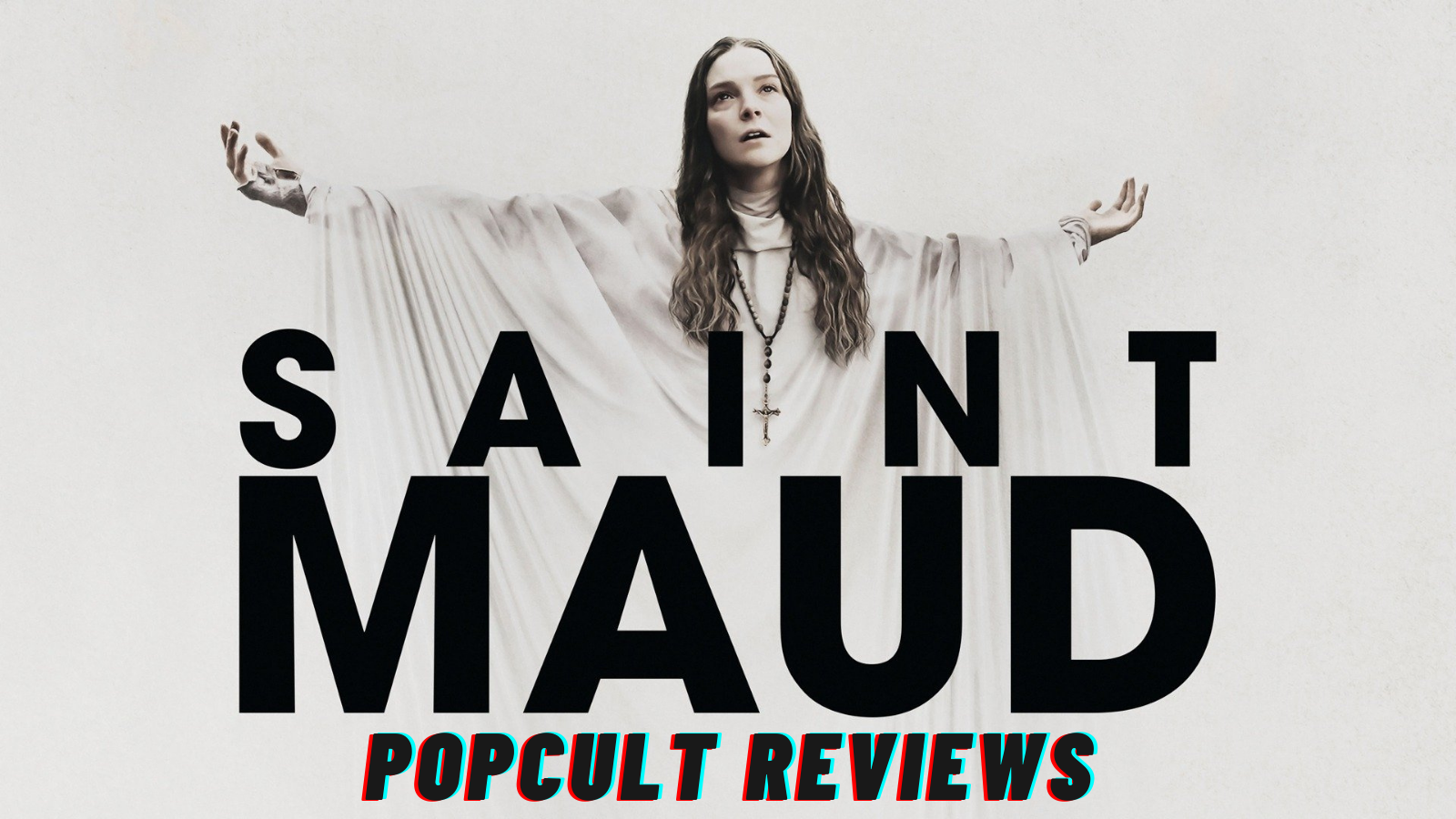
Saint Maud (2021) Written & Directed by Rose Glass
Religion and horror seemed tied together since the very beginning. Christianity has its fair share of dark & horrific elements. Just sit down and read through the Old Testament, and you’ll come across multiple gruesome stories about the wrath of God. Religious dogma in the hands of mentally unstable people can be a volatile combination. You can look across the American landscape and see a little under half the population caught up in a fervor fueled by a distorted understanding of the Bible. While filmmaker Rose Glass may not be living in the heart of the United States’s current madness, she certainly shows an understanding of how this particular poison can be so enticing to a person who is alone and unstable.
We start a brand-new month today, with February being another tumultuous one in the middle of this pandemic. As I posted late last week, we had to put our dog Clyde to sleep. This came just six months after our other dog, Lily suddenly passed away. We spent the last couple of weeks nursing Clyde, and he showed improvement but then would slip backward. It certainly tore us up at the moment the immediate days following, but I am starting to be honest with myself that he was given the relief he deserved. We have plenty of photos and videos of them both, so I plan on making sure those are backed up all over the internet, so we always have them to go to when we need them. They won’t be our last dogs, but it will be a little while before we’re ready to bring in a new family member.
This week also saw me roll out a very simple PopCult Podcast. WordPress is partnered with Anchor, a site that lets you convert posts into computer-read segments. You can add backing music, transitions, etc. It’s free, and it is pretty cool that I can make my blog in an audio form for people that want to listen rather than read off the screen. I would like to explore podcasting this year, but I am definitely taking my time with it. My plan would be to have this computer-read weekly podcast and then, every couple of weeks, do something like PopCult Plus, which would be me on the mic, maybe doing some fiction readings, exclusive review content, eventually having guests maybe. Taking that slow, especially with a big move planned for some time this year, I don’t want to get too deep into the podcast world. Anchor just made it incredibly easy to lay a music track behind the audio, and that little touch makes things sound so much more professional, in my opinion.





 PopCult Reviews