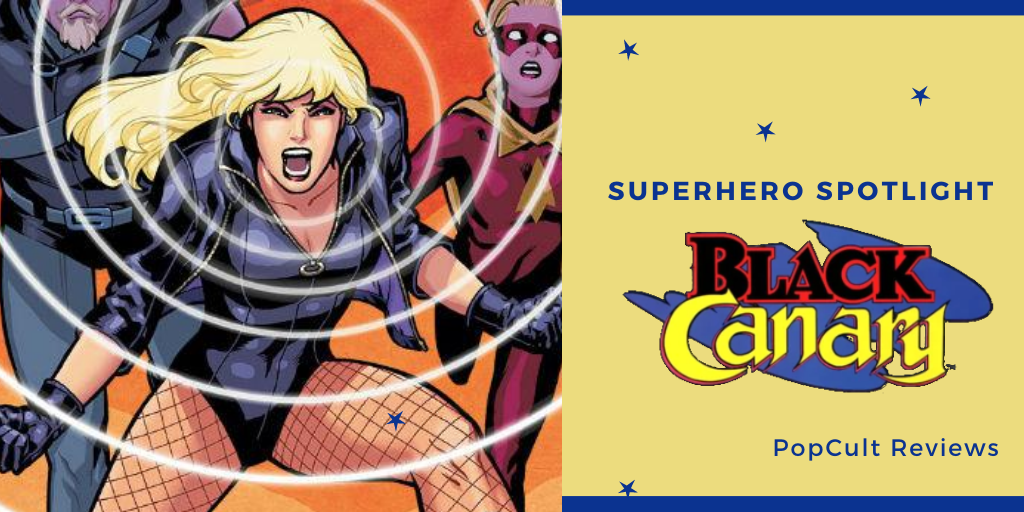
Black Canary is the name used by two different women in the DC Universe, a mother & daughter, the partial inspiration for the Silk Spectre in Alan Moore’s Watchmen. She was one of DC Comics’ earliest super-heroines introduced post-World War II. In the New 52 reboot, elements of both mother & daughter were combined into a single version. Black Canary has been part of the Golden Age Justice Society, the Justice League, partnered with Green Arrow and been part of the all-female Birds of Prey. Four different actresses have portrayed her in film & television thus far with some markedly different interpretations. Let’s learn more about Black Canary.
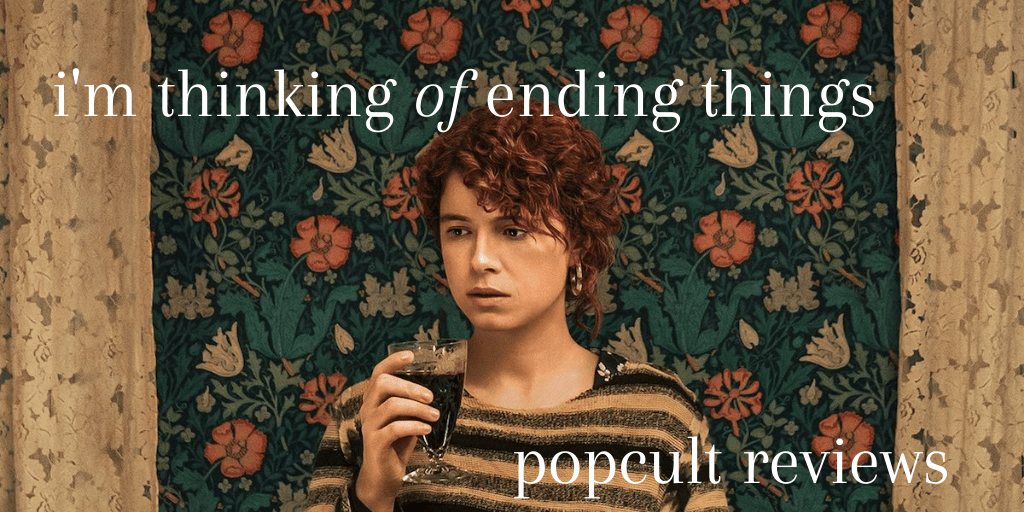
I’m Thinking of Ending Things (2020) Written & Directed by Charlie Kaufman
Ending things can have many different meanings. At first, we assume our main character’s internal monologue is referring to breaking up with her boyfriend. For most of the movie, that appears to be the intent of the phrase. However, as the walls of reality melt away, and our perspective begins to shift, we start to think about how much more fatal “”ending things”” can be. Does anything end or, when we think life has ended, do we fall into a jumbled void of memories and imagined experiences, drowning in our own confusion? Charlie Kaufman never gives us something easy to decipher, and he desires to challenge our mindset.
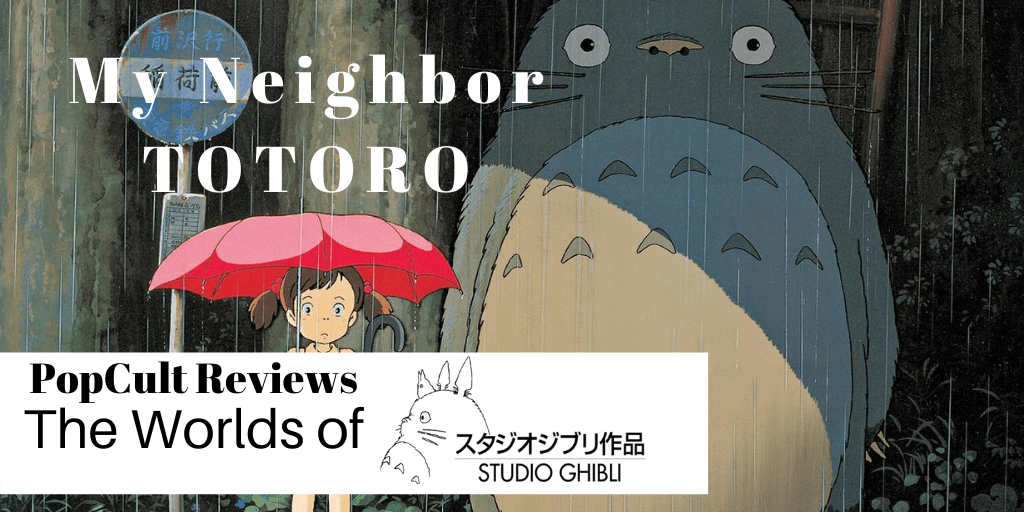
My Neighbor Totoro (1988) Written & Directed by Hayao Miyazaki
No one wanted Totoro. From the first pitches by Miyazaki and his producer Toshio Suzuki in the early 1980s, they were rejected by multiple studios who didn’t believe that such a pastoral, simple story about two little girls and the spirits of the forest would appeal to too few people. This was also the first film from Miyazaki to take place in an identifiable 1950s Japan, further diminishing the escapist fantasy the distributors were looking for. When My Neighbor Totoro was released, it was shown as a double-feature with Grave of the Fireflies, a brutal tragedy about Japan’s victims of the American atomic bombing. It wasn’t until a year after its release when it began airing on television that My Neighbor Totoro finally found its fan following.
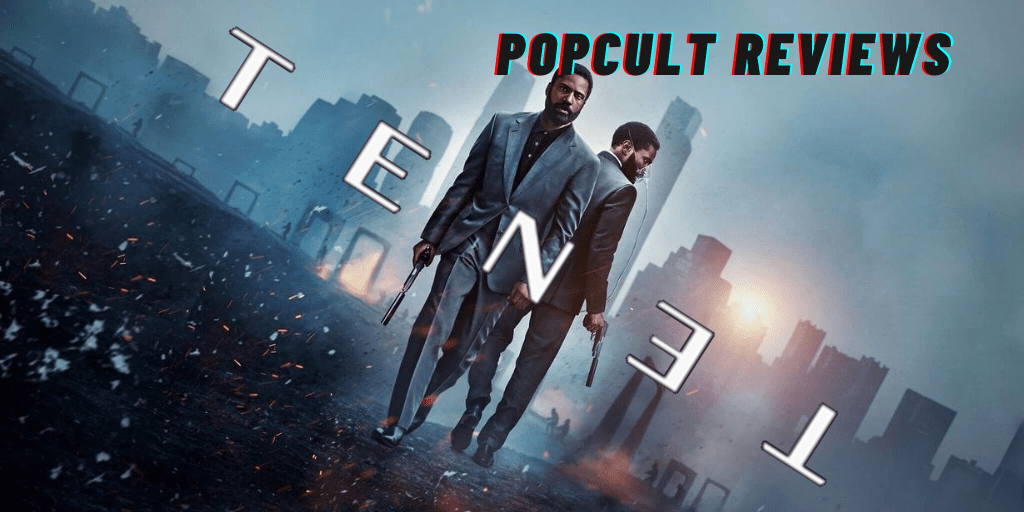
Tenet (2020) Written & Directed by Christopher Nolan
So the long-awaited Christopher Nolan film Tenet has finally been released, and it is…okay. Nolan took five years to develop this script and produce the film, which feels incredibly derivative of his previous films, especially The Dark Knight and, even more obviously, Inception. That doesn’t mean Tenet is terrible from top to bottom. There are some very innovative ideas woven throughout the picture, and of course, Nolan is a master at practical effects-driven large scale set pieces, including computer effects conservatively and skillfully. What is not included in this mix are emotionally relatable characters with complex relationships.
Nausicaä of the Valley of the Wind (1984) Written & Directed by Hayao Miyazaki
Nausicaä of the Valley of the Wind is not the first Studio Ghibli movie, but it is considered the first one. Studio Ghibli, a Japanese animation studio, was founded in 1985 after Nausicaä was released. However, because it is the first film by Hayao Miyazaki to present the themes and types of stories present in his later work, Nausicaä has retroactively been made a part of the Ghibli canon. It fits perfectly, and for most fans, they don’t even notice the difference in dates.
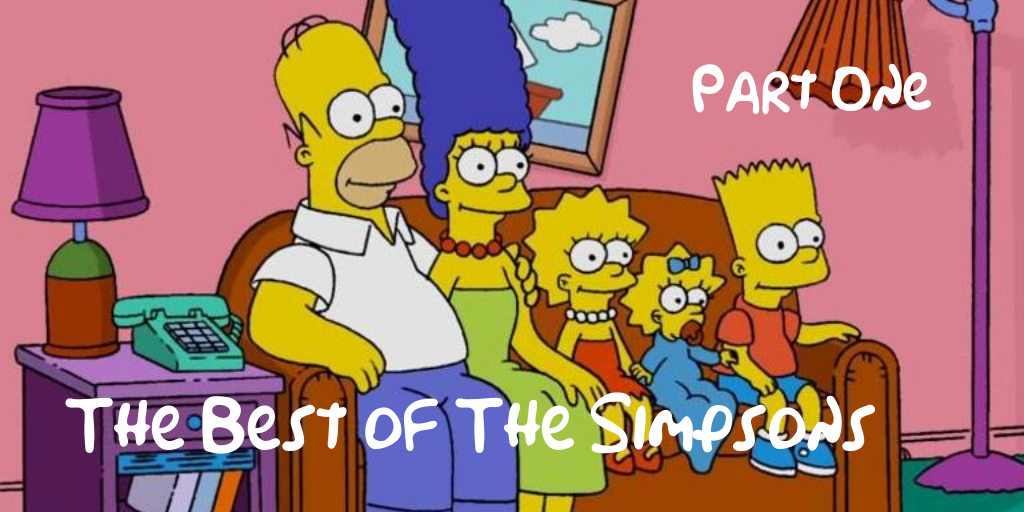
Like an old relationship, I fell out of love with The Simpsons a lifetime ago. When we were together, it was an all-consuming passion, a primary element in shaping who I am today. When we fell out of love, it was sudden and cold. No regrets. That said, revisiting these episodes was a lot of fun, and I was reminded of how comprehensively the series was a part of my regular communication as a child and adolescent. So many of these phrases were uttered by myself and my siblings. I think The Simpsons was one of many touchstones that taught me about humor and how to be funny.
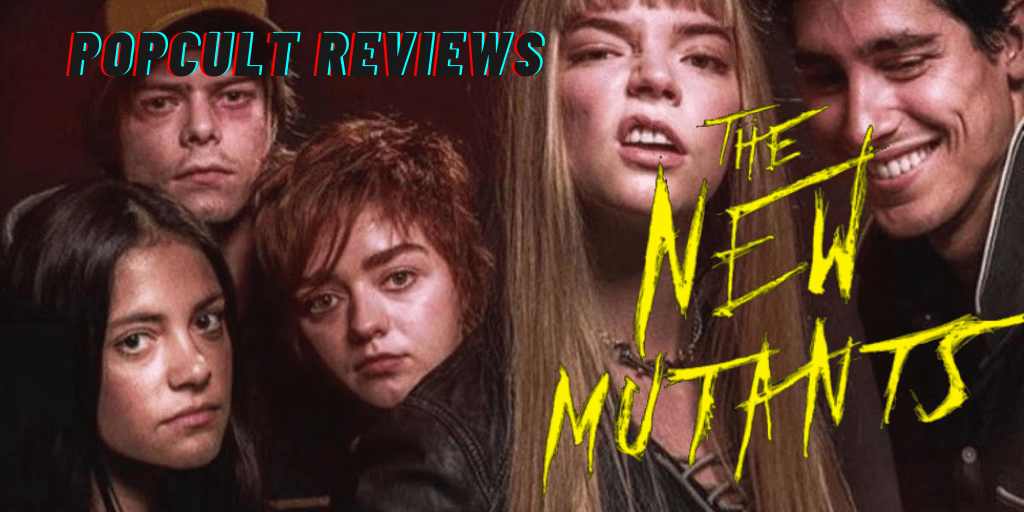
The New Mutants (2020) Written by Josh Boone & Knate Lee Directed by Josh Boone
And so the 20th Century Fox X-Men franchise comes to a strange, pitiful end. Dark Phoenix came out last year and appeared to be the intended conclusion, made and edited with the end of the series in mind. However, multiple delays and then COVID-19 caused The New Mutants to make a three year trip to the big screen. The signs that the X-Men film series was over were apparent years ago with X-Men: Apocalypse, a movie that seemed conflicted about what is trying to be or how it would fit in the post-MCU landscape. I would argue that, despite a few highlights along the way, the X-Men film series was always disappointing and felt like it belonged to another era gone by.
Bill & Ted Face the Music (2020) Written by Chris Matheson & Ed Solomon Directed by Dean Parisot
It has been 29 years since we last saw Bill & Ted and the world is a very different place or is it? Maybe the flaws we see now are simply amplified with time and were always there. We’re just living in a crisis point where you can’t deny that things are falling apart around us. We’re the grown-ups now, in our forties and fifties, and, if we have a conscious, feel a level of guilt about our inaction during those prime years of our lives. But the world hasn’t ended yet, and we still have time to do something. We just have to overcome our baggage to have a clear mind about what to do next. This is where the Wyld Stallyns find themselves in 2020.
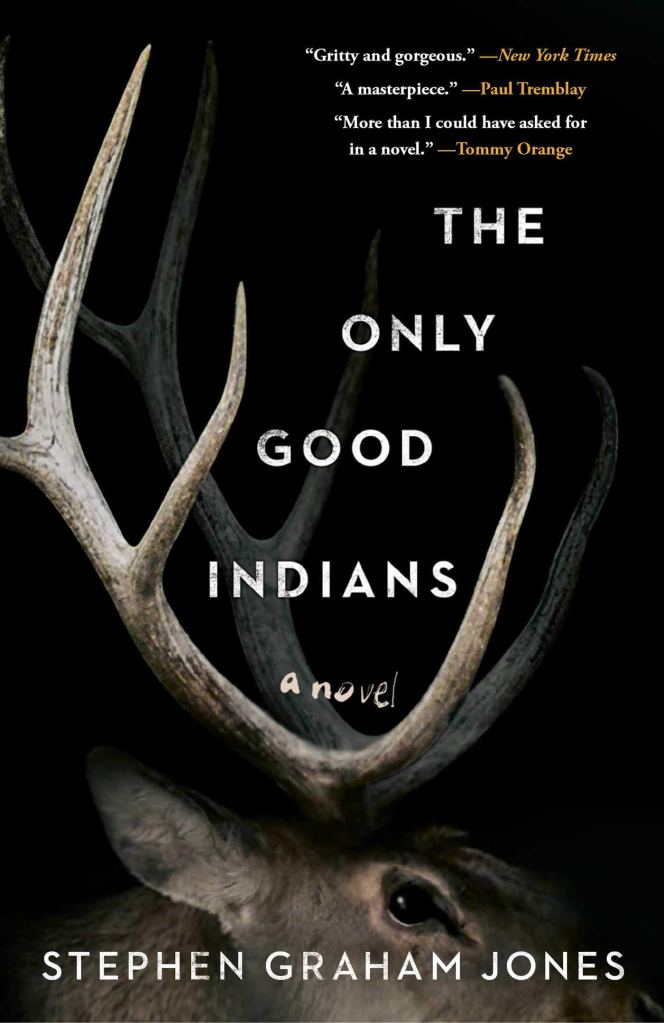
I have not dug into Stephen Graham Jones as much as I should have, but the work I’ve read is fantastic. This is his latest novel (released in July with another book coming out in September, the man is a workhorse) and continues his blending of Jones’s indigenous background with his love of horror. The Only Good Indians centers on four Native men who took part in an elk hunt a decade earlier. During the hunt, they did something and witnessed a horror that haunted them to varying degrees. The plot is structured to move from man to man and see how the curse on them plays out. In that way, the book is sort of a mish-mash of linked short stories and novellas. The book’s core is Lewis’s story, a postal worker who has moved away from his hometown and is living with a white woman. There’s some cultural guilt there, especially when a Native woman a little younger than Lewis starts working at his job. He’s torn between his individual wants and the expectations of his culture looming over him. Through this triangle, the horror begins to manifest itself, culminating in the middle of the novel and creating ripples that shape the rest of the text. There’s no way this story could be recast in a different culture, especially not whitewashed. This is a specifically Native people’s horror story, yet Jones taps into universal themes that cause the novel to resonate on multiple levels.




 PopCult Reviews