Movie Review – The Gospel According to St. Matthew

The Gospel According to St. Matthew (1964)
Written and directed by Pier Paolo Pasolini

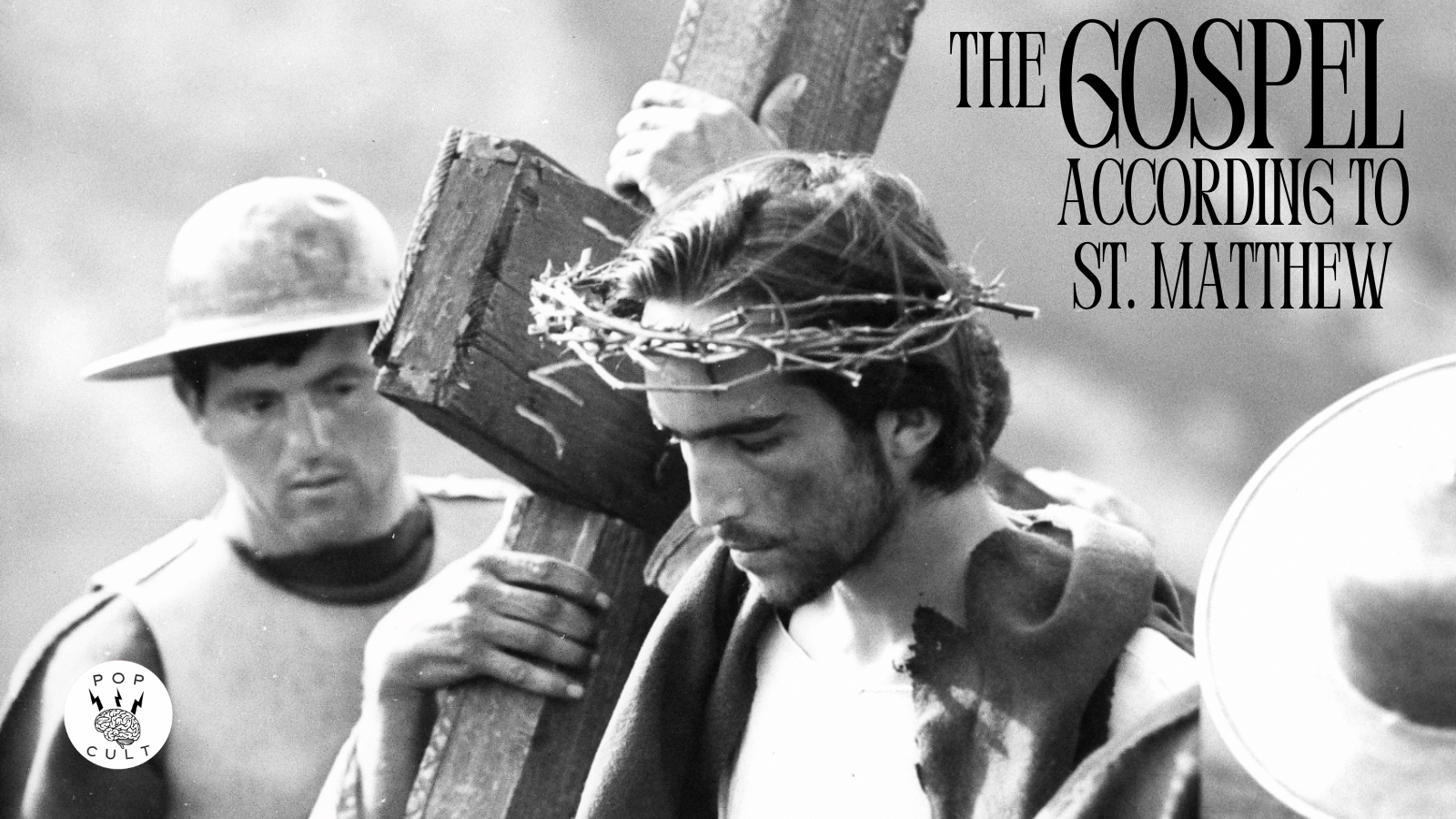
It may seem like an incredibly odd match. A queer, atheist, communist Italian man making a film about the life of Christ. Even more bizarre, it was In an effort to find relevance in the landscape of the post-war world,  Pope John XXIII had asked for an audience with contemporary non-Catholic artists. Pasolini had been raised in the Church and accepted the invitation, knowing so much of his identity clashed with the institution. The meeting occurred in Assisi, and the subsequent traffic jam caused by the Pope’s presence in town left the filmmaker stuck in his hotel longer than he had expected. Pasolini claims he paged through a Bible in the hotel room, reading through each of the Gospels and settling on Matthew as the perfect one for the film he had in mind. His opinion was that the three other Gospels embellished or lacked a clear perspective on Christ; Matthew’s gospel was the most human. 

Continue reading “Movie Review – The Gospel According to St. Matthew”
Movie Review – Mamma Roma

Mamma Roma (1962)
Written and directed by Pier Paolo Pasolini

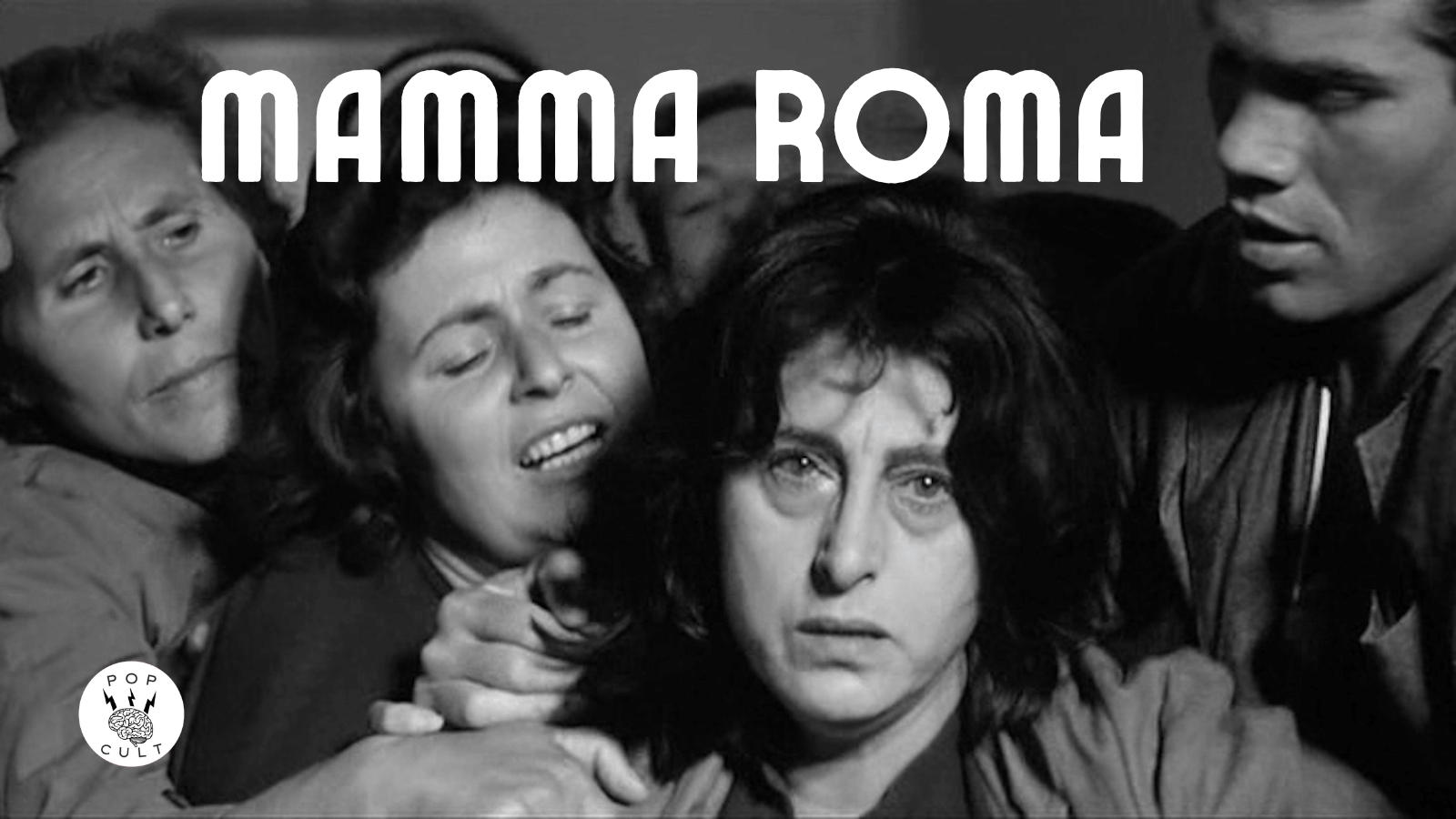
Pasolini’s work stands out from his Italian peers of the era. He’s completely caught up in doing his own thing, making movies with a particular style nobody else brought to the table then. While his first few films, like this one and Accattone, are set contemporaneously, the filmmaker would quickly lose interest in that and dive deeper into the past through classic stories that shaped the world he was born into. Pasolini also held peasants in high regard, even though, as a gay man, he was often the subject of hate from them. That hate, of course, was stoked by the remnants of Italian fascism & generations of patriarchy that lie dormant until their more recent return to prominence (see Italy’s current fascist PM). Mamma Roma is a story of a peasant rising from her “lowly” beginnings to finally have a peaceful, more secure life, only to deal with challenge after challenge.

Continue reading “Movie Review – Mamma Roma”

Movie Review – Accattone

Accattone (1961)
Written and directed by Pier Paolo Pasolini

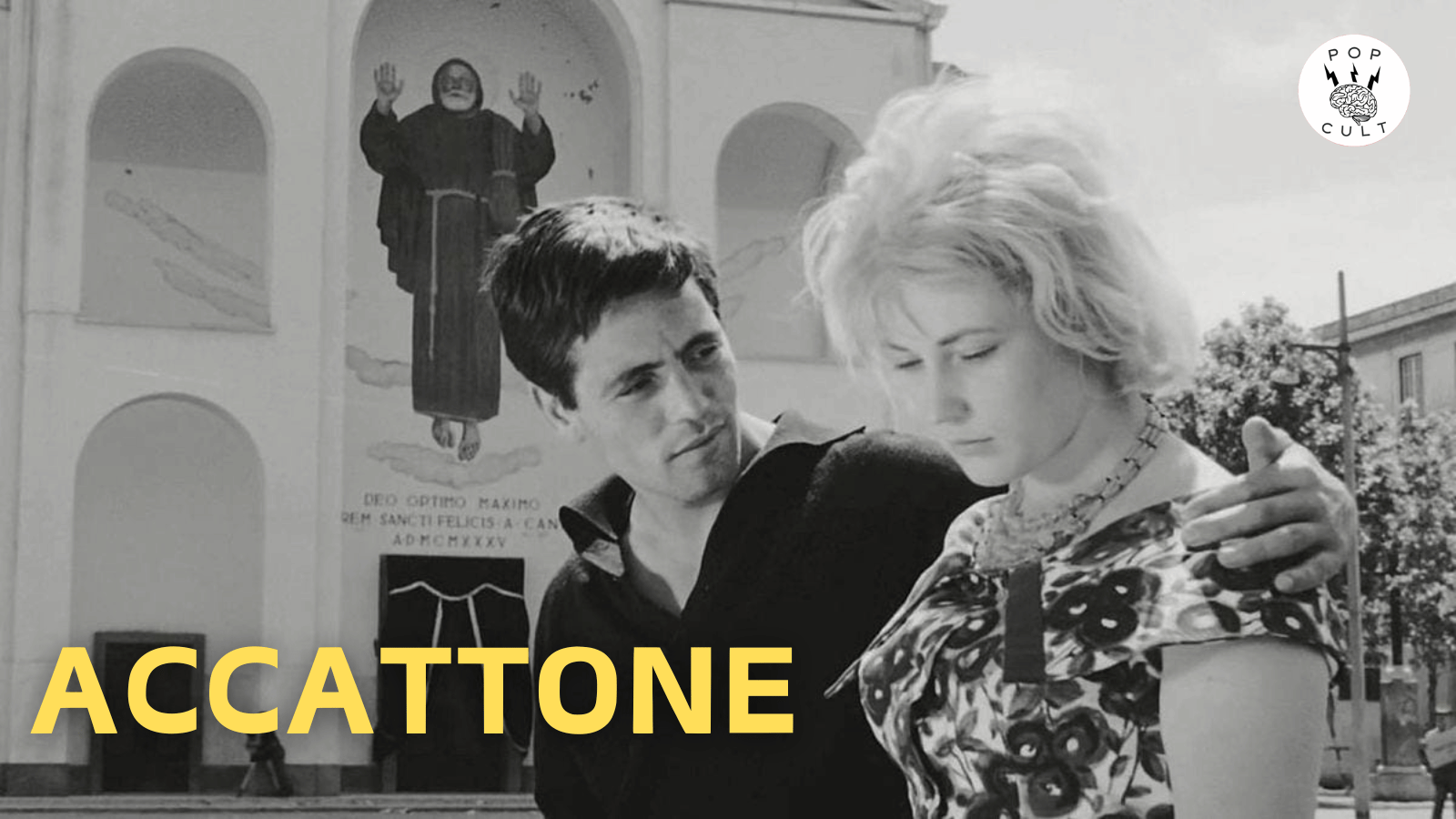
Pier Paolo Pasolini was born in Bologna, Italy, in 1925. His mother was a primary school teacher, and his father was a lieutenant in the Royal Italian Army. A year later, Pasolini’s father was arrested for gambling debts, and his mother moved in with her family. In time, Pasolini’s father would embrace Italian fascism.

Continue reading “Movie Review – Accattone”

Comic Book Review – Cat-Eyed Boy

Cat-Eyed Boy: The Perfect Edition Volume One and Volume Two (2023)
Written & Illustrated by Kazuo Umezz

Kazuo Umezz is one of the most famous Japanese horror manga authors and started his career in the 1950s. Bucking the trends of the time, Umezz incorporated gory & grotesque imagery often associated with Japanese folklore, especially the Yokai – the umbrella term for ghosts, demons, and other nefarious spirits. One of his most well-known series was Cat-Eyed Boy, initially serialized in the pages of Shōnen Gaho, an anthology magazine. Like most manga that prove to be a success, there was an anime series (though it was more like voiceovers and little paper cutouts) as well as a live-action series in the mid-2000s. While the title character does prove to be an important part of each story arc, the stories were more like serialized horror anthology tales, a la American Horror story.

Continue reading “Comic Book Review – Cat-Eyed Boy”

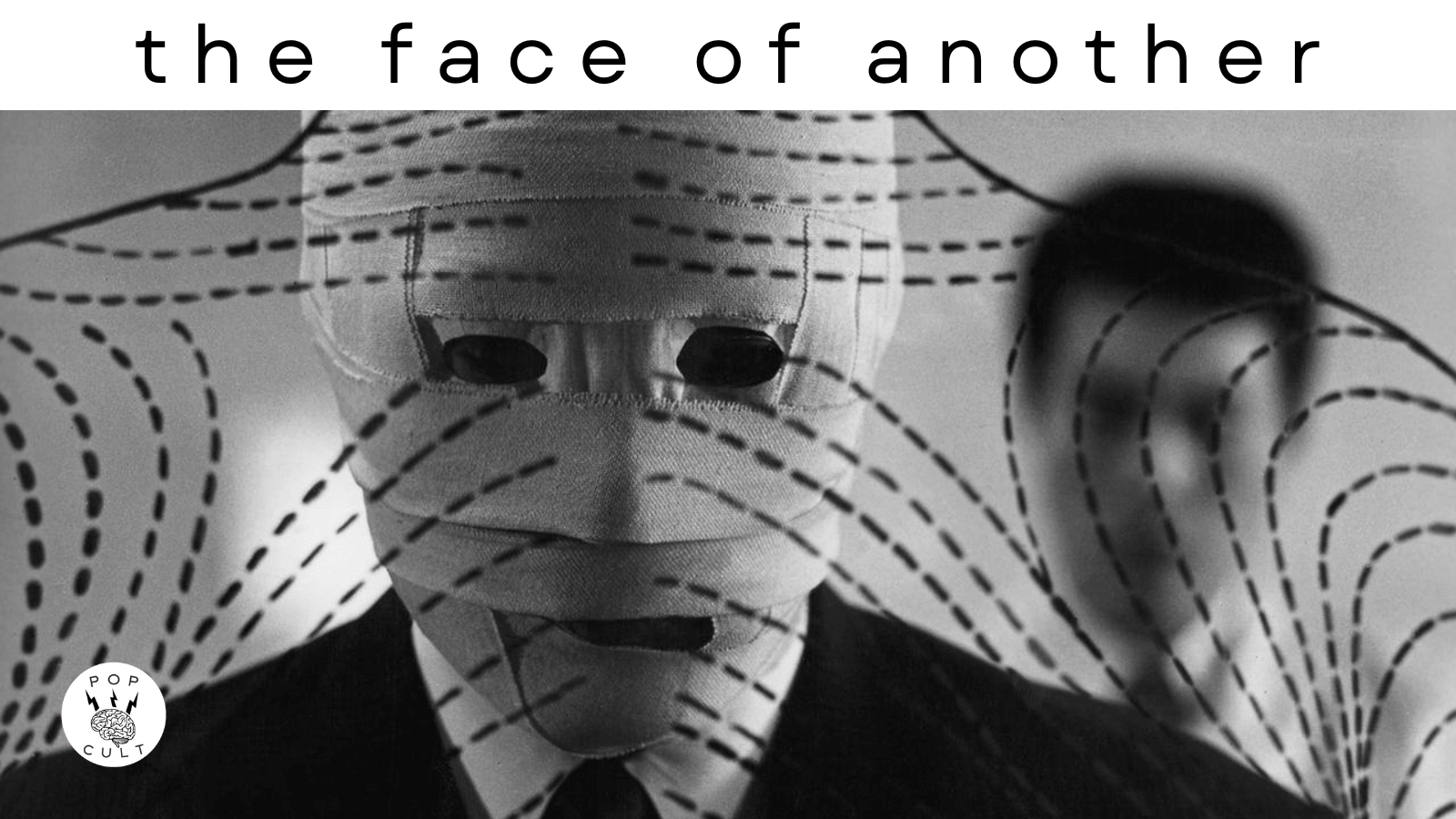
Movie Review – The Face of Another

The Face of Another (1966)
Written by Kōbō Abe
Directed by Hiroshi Teshigahara

Hiroshi Teshigahara found his cinematic muse in the writing of Kōbō Abe. He directed an adaptation of Abe’s novel Woman in the Dunes two years prior. He returned to the author’s work for his next film, The Face of Another. Teshigahara’s relationship with filmmaking was very tempestuous, though, making a film in 1972 and abandoning the medium for nearly a decade. He pursued other interests like calligraphy, ceramics, and ikebana (the art of flower arranging, of which his father was seen as the master). While he returned to film, Teshigahara never recaptured the height of this period when he and the work were perfect. Western critics dismissed his work at the time of release, but a new appreciation has grown in the following decades. 

Continue reading “Movie Review – The Face of Another”

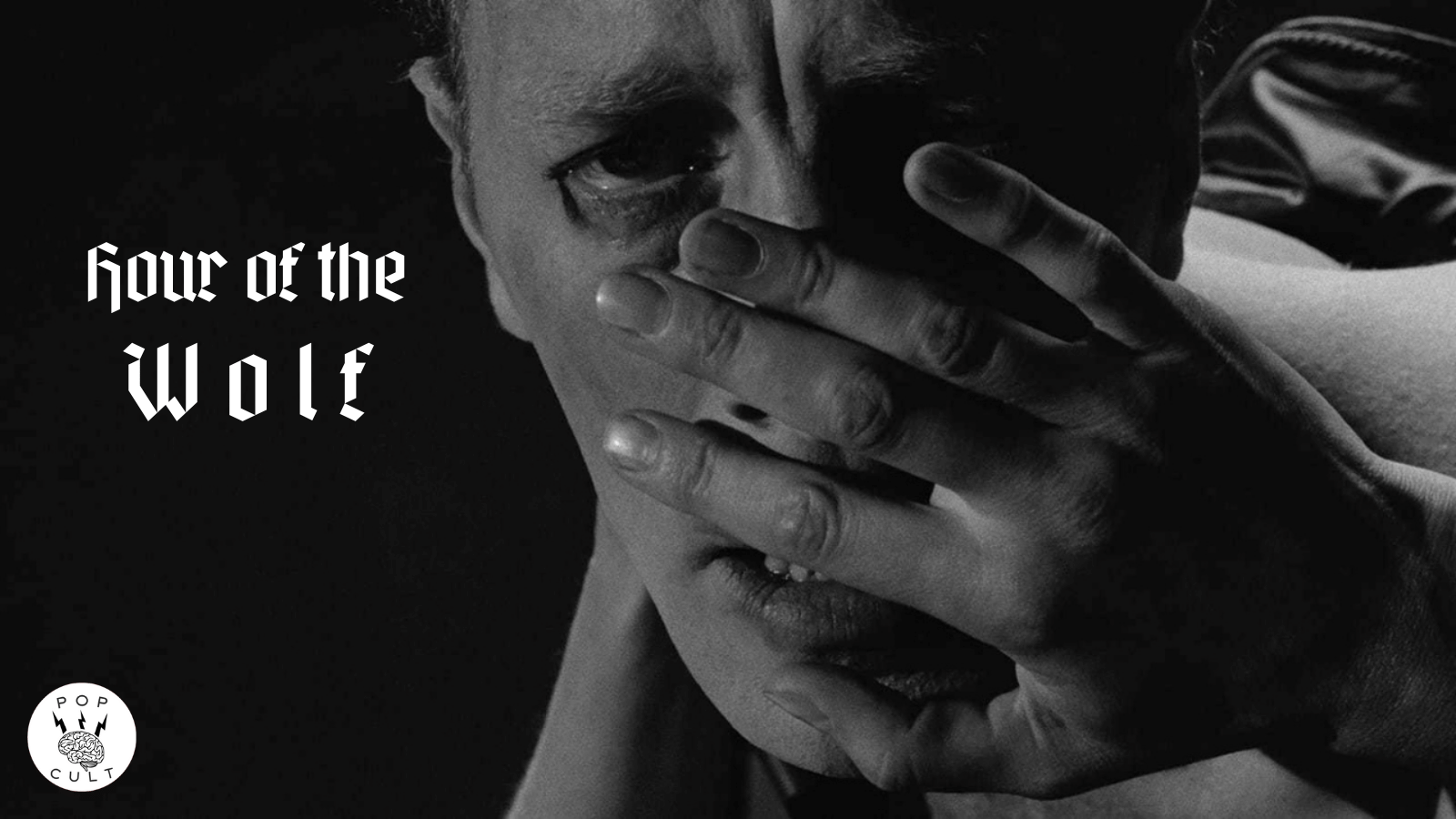
Movie Review – Hour of the Wolf

Hour of the Wolf (1968)
Written and directed by Ingmar Bergman

I can’t say I’ve fallen in love with the work of Ingmar Bergman. I’ve seen four of his works – Persona, Scenes from a Marriage (television version), Fanny and Alexander (film version), and now this movie. Of the four, Fanny and Alexander is my favorite because it feels like a mature take on the Christmas movie. Otherwise, I find Bergman’s work to come from an emotional place that isn’t culturally the same as mine. It makes sense. Sweden is very different from the United States. Even more so, Ingmar Bergman is very different from me, especially in how he treated his wives and consistently cheated on them with actresses he worked with. I feel at odds with Bergman, but I am still open to watching his films to try and understand what he is saying through his work.

Continue reading “Movie Review – Hour of the Wolf”

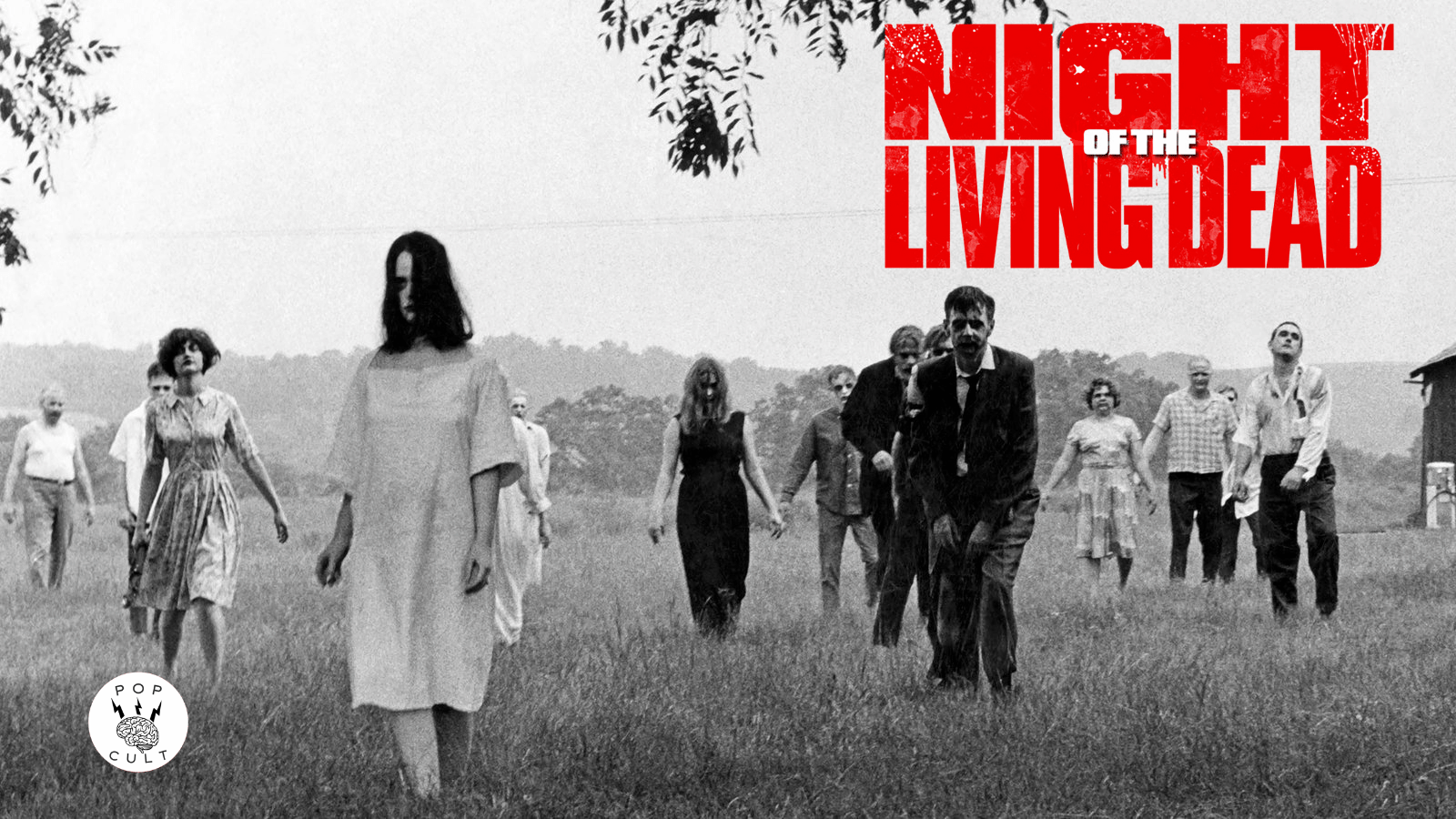
Movie Review – Night of the Living Dead

Night of the Living Dead (1968)
Written by John Russo and George A. Romero
Directed by George A. Romero

Certain films unexpectedly have an impact when they are released. As much as big Hollywood studios would like to think they’ve cracked the formula on that, they never will. Real breakthrough movies are always a surprise; they can’t be predicted by a focus group. Night of the Living Dead is one of these films. I don’t think it’s a particularly fantastic movie, but there is no denying the cultural impact it has and continues to have. Before this film, zombies were associated with voodoo and were often seen as a singular threat rather than a horde. Funnily, this film never uses the term “zombie” to refer to the monsters. Instead, they are called “ghouls,” and their origins are hinted to be associated with a recent space exploration mission that brought back some strange cosmic energy.

Continue reading “Movie Review – Night of the Living Dead”

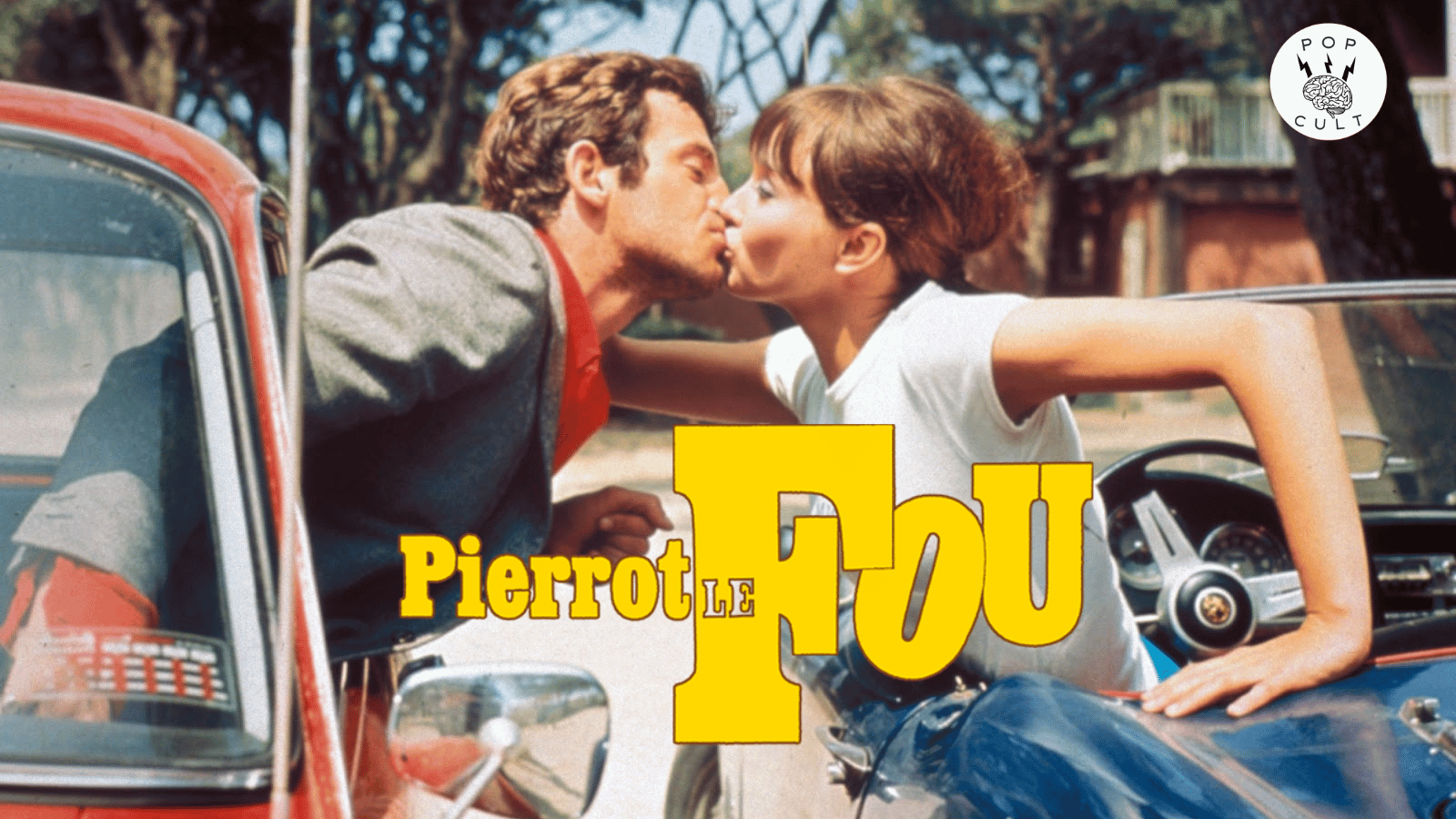
Movie Review – Pierrot Le Fou

Pierrot Le Fou (1965)
Written and directed by Jean-Luc Godard

Will I ever watch all of Godard’s films? I’m not sure. Since my college days, I’ve watched them sporadically and never chronologically. Breathless. Masculin Feminin. Alphaville. Week-end. Contempt. Some I absolutely love, others I’m just confused by and probably need to revisit or read up on. This picture, made in the middle of Godard’s most productive period, was an adaptation of a recent crime novel, Obsession. Godard described the book as “the story of a guy who leaves his family to follow a girl much younger than he is. She is in cahoots with slightly shady people, and it leads to a series of adventures.” Casting ended up reuniting Godard with Jean-Paul Belmondo, his star from Breathless, and Godard’s wife at the time, Anna Karina, who took the lead female role.

Continue reading “Movie Review – Pierrot Le Fou”

Movie Review – Daisies

Daisies (1966)
Written by Ester Krumbachová, Pavel Juráček, and Věra Chytilová 
Directed by Věra Chytilová

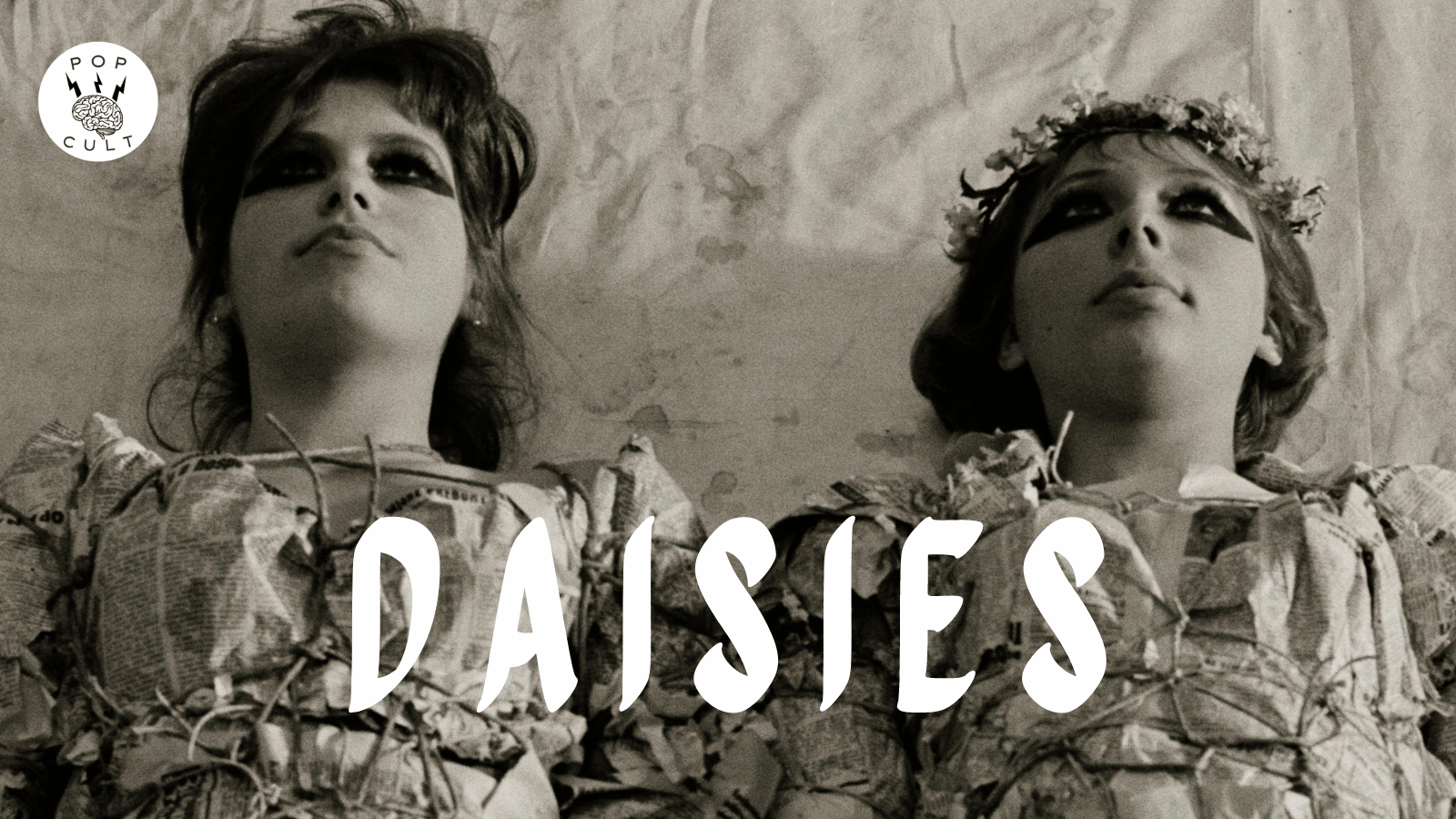
There’s a vibrating chaos at the heart of Daisies, considered the most significant achievement in Czech cinema. It’s a study of patriarchy through the eyes of two cartoon-like women whose behaviors and antics are intentionally exaggerated. There’s no real plot to speak of, rather vignettes in which two girls, both named Marie, interact with people or engage in frantic behavior, giggling and gorging down food. The film conflicts with the conservatism present in Czechoslovakia’s communist government at the time. It is, in my opinion, a needed continued push to the Left that all communist governments are constantly in need of. We humans tend to settle into familiar routines and ruts, but we must also allow our perspectives to be challenged, especially when it comes to increasing our embrace of others outside of systemic power. Daisies is an attempt at that.

Continue reading “Movie Review – Daisies”

Movie Review – Au Hasard Balthazar

Au Hasard Balthazar (1966)
Written and directed by Robert Bresson

Robert Bresson was not a part of the French New Wave. He was in his fifties by the time Godard, Truffaut, and company started their cinematic revolution. Bresson is a reminder that French films were already doing things far differently from their Hollywood counterparts. When you watch a Bresson film, you might feel a distance from yourself and his characters, which can be misinterpreted as “coldness.” To understand Bresson and his work, you need to know of his three primary influences: His Catholic upbringing, his time as a prisoner of war, and his love of art, particularly painting. He was never interested in filmmaking as a way to create great wealth, though he lived comfortably his whole life. Instead, film was the most apt means for the director to express his thoughts about the human condition.

Continue reading “Movie Review – Au Hasard Balthazar”