Movie Review – Her Smell

Her Smell (2018)
Written & Directed by Alex Ross Perry

I don’t think I have felt this sort of whiplash on my feelings about a filmmaker in a long while. When Alex Ross Perry is writing about literary people (Listen Up Philip), he’s nailing it. After watching Her Smell, I am curious about how much research he did when writing this picture. It felt like a cliched musician biopic and was absolutely grating by the end. It does have high points, but overall, I was pleased when the movie was over because it was so unenjoyable to watch. This is one where my wife had a lot to say and articulated some of the things I disliked so intensely about the movie—more on that in a bit.

Continue reading “Movie Review – Her Smell”
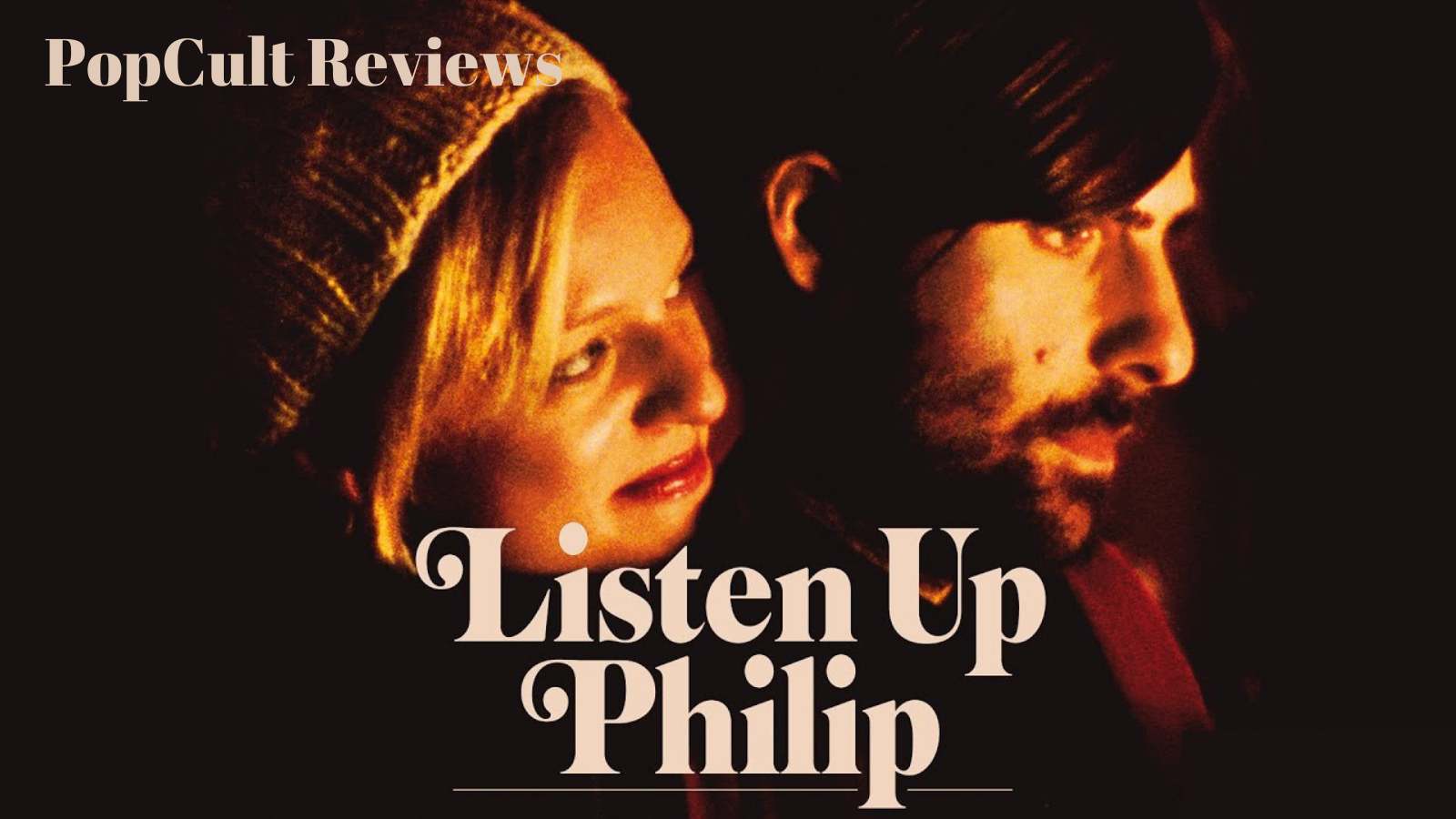
Movie Review – Listen Up Philip

Listen Up Philip (2014)
Written & Directed by Alex Perry Ross

Filmmaker Alex Ross Perry continued his interesting development with this marked improvement from The Color Wheel. Noam Baumbach and Wes Anderson’s influences are even more apparent here; however, Perry does manage to keep his picture from feeling derivative. Thematically, he’s approaching John Cassavettes territory without the earnestness and more overtly toxic male figure. Ross walks a tightrope where he can’t make his main character so unlikeable we lose all sympathy for him, and he does this by letting the narrative shift to different character’s perspectives throughout the story. The result is a picture I enjoyed quite a bit, helped by having seasoned actors in the roles.

Continue reading “Movie Review – Listen Up Philip”

Movie Review – Early Summer

Early Summer (1951)
Written by Kogo Noda & Yasujirō Ozu
Directed by Yasujirō Ozu

As the second part of Ozu’s Noriko trilogy, Early Summer is a more complex examination of post-War Japanese lives across three generations of a family. Setsuko Hara returns to play another character named Noriko, like in Late Spring. Chishū Ryū, who played the father in Late Spring, plays the eldest brother in Early Summer. Once again, a young woman living with her parents and being pressured into marriage is at the forefront of the plot. This time the story has more layers and humor, always remaining tender and empathetic with all its characters.

Continue reading “Movie Review – Early Summer”

Movie Review – Late Spring

Late Spring (1949)
Written by Kogo Noda & Yasujirō Ozu
Directed by Yasujirō Ozu

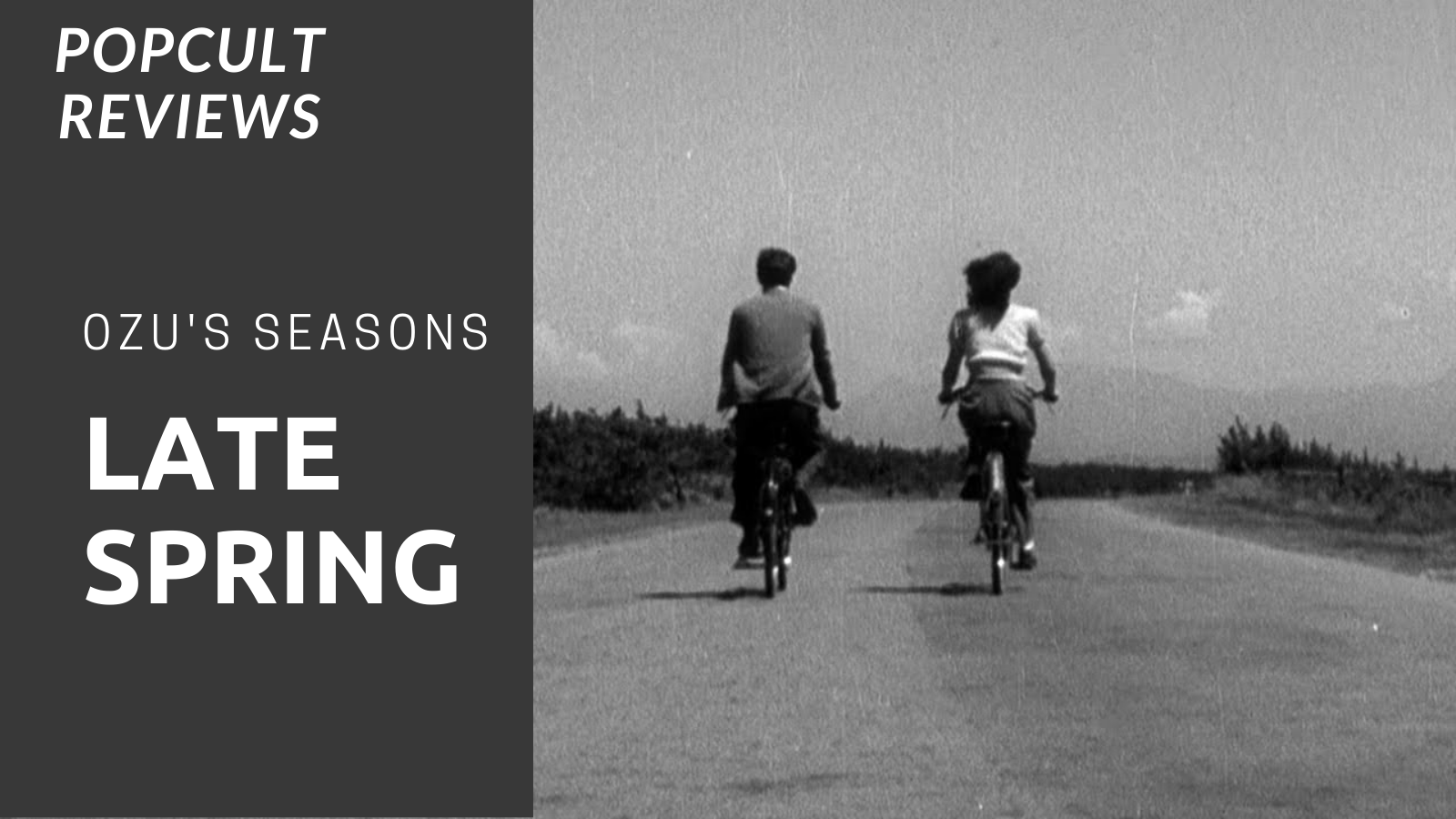
Japan was in the middle of a significant cultural transition when Late Spring was in production. American forces occupied the country in the wake of World War II and aggressively fought back against the Japanese’s traditional feudalistic customs. One of these was arranged marriages, and it was rigidly enforced in Japanese popular culture by Americans. I don’t think Americans today fully comprehend how much we interfered in Japan’s development after the atrocity of dropping two nuclear bombs on them. Yasujirō Ozu’s body of work was all about examining Japanese traditions in the context of his own time, so blanket censorship like this proved to be a major obstacle in his way. 

Continue reading “Movie Review – Late Spring”

Movie Review – Early Spring

Early Spring (1956)
Written by Kōgo Noda & Yasujirō Ozu
Directed by Yasujirō Ozu

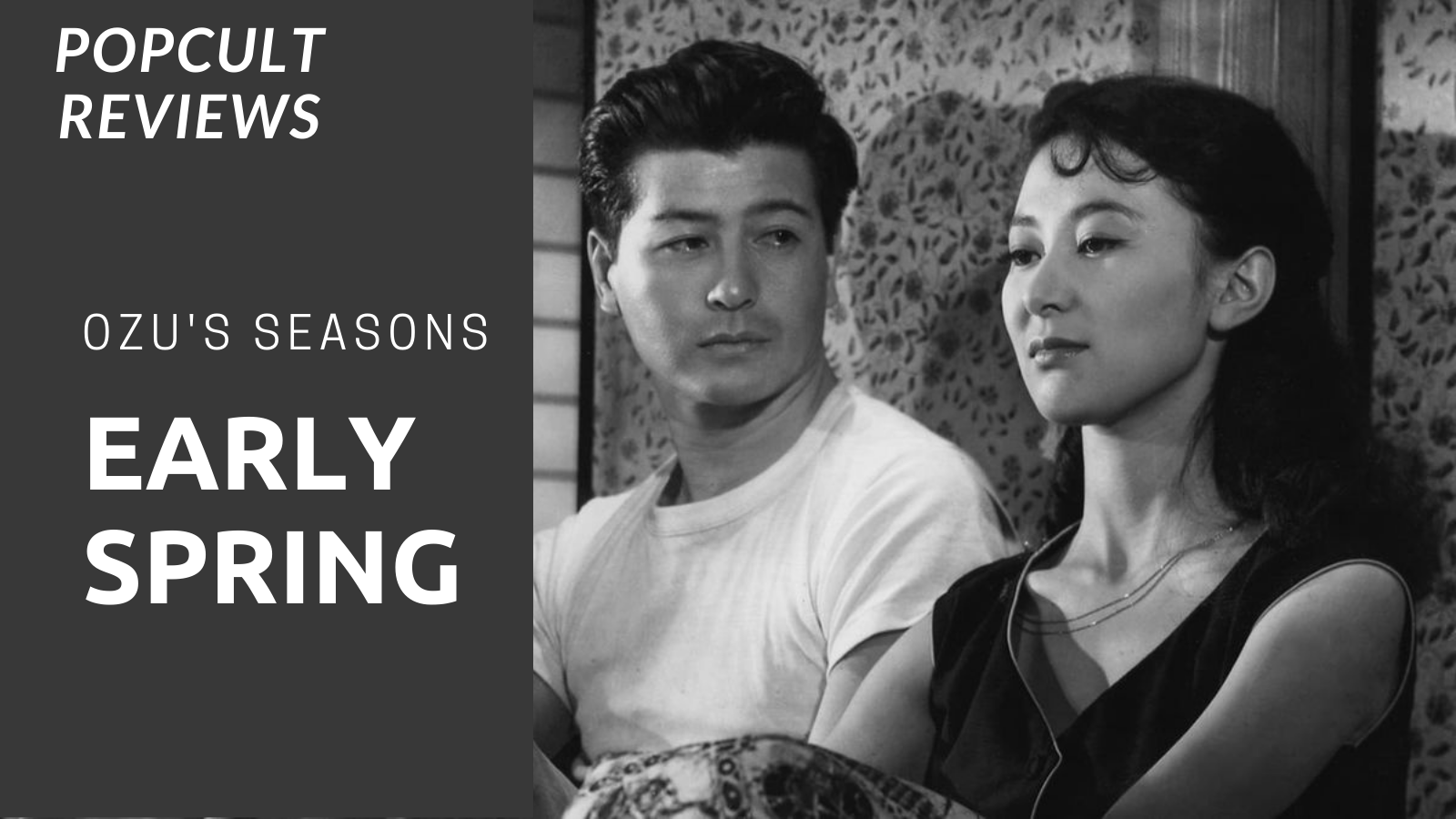
Since I became deeply interested in film & filmmakers, Yasujirō Ozu’s name has been one that has come across my radar time & time again. Anytime a piece of criticism would talk about Japanese cinema’s great directors, it was Akira Kurosawa & Ozu. For whatever reason, I’d never sat down to watch an Ozu film, my list of movies piling up while ignoring those listed as essential. Not much about Ozu’s early life stands out, the son of a fertilizer salesman, living a relatively Japanese middle-class life in the 1910s. Things get interesting as he became a young adult starting with his expulsion from his boarding school dormitory after being caught writing a love letter to another boy. While Ozu’s sexuality was never confirmed before his death in 1963, he seemed to at least be questioning who he was attracted to.

Continue reading “Movie Review – Early Spring”

Movie Review – The Man Who Would Be King

The Man Who Would Be King (1975)
Written by John Huston & Gladys Hill
Directed by John Huston

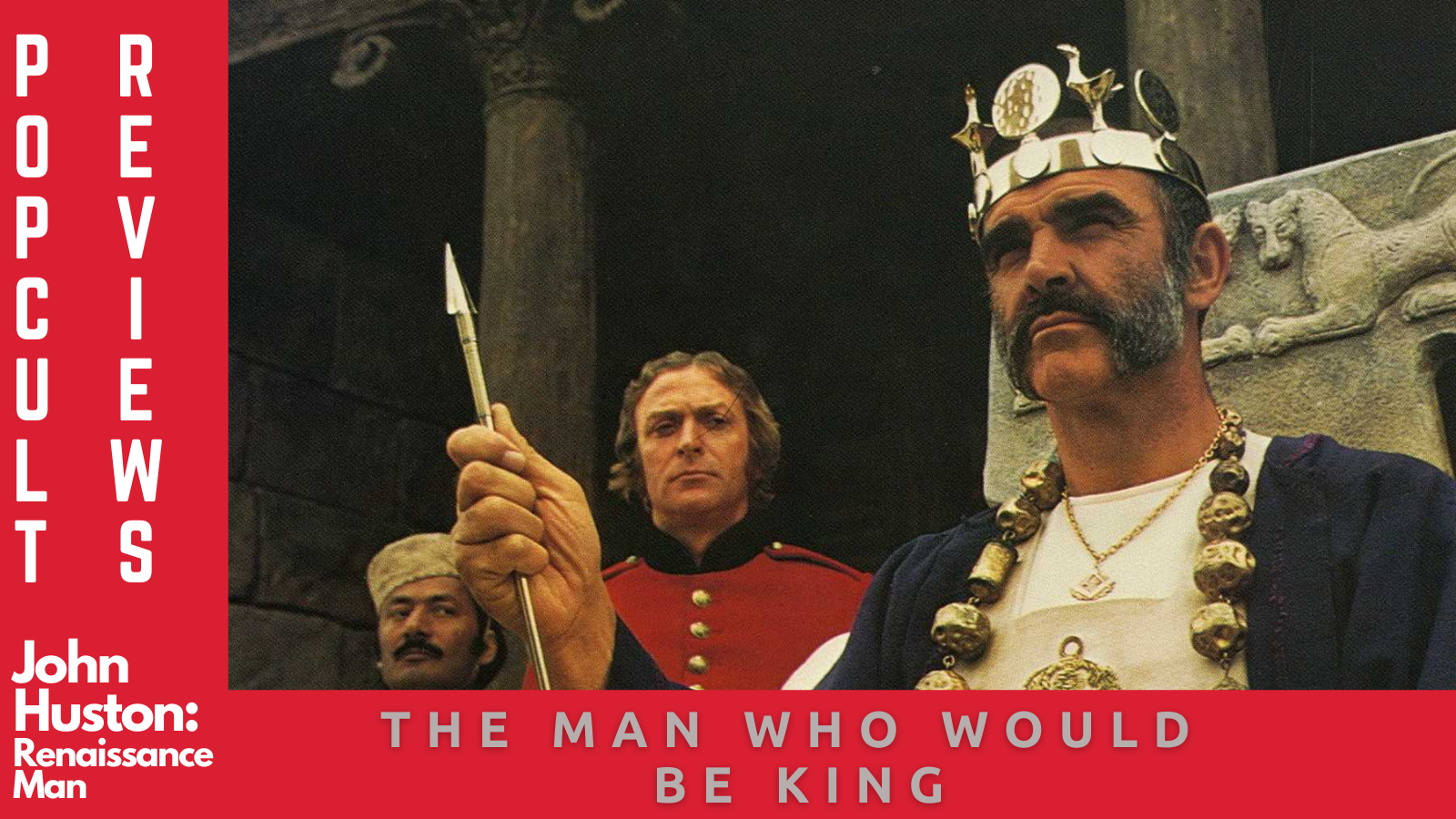
In a 180 from the bleakness of Fat City comes this large-scale adventure film with a message. Based on Rudyard Kipling’s novella, The Man Who Would Be King was a story that Huston had wanted to make for twenty years. I assume Humphrey Bogart was initially in mind for one of these characters as the themes and plot feel very similar to The Treasure of the Sierra Madre. This is a picture about treasure hunters going off into a land foreign to them only to learn that their quest for a fortune is doomed from the start. I don’t think there is another director who could have made this picture as perfectly as Huston.

Continue reading “Movie Review – The Man Who Would Be King”

Movie Review – Fat City

Fat City (1972)
Written by Leonard Gardner
Directed by John Huston

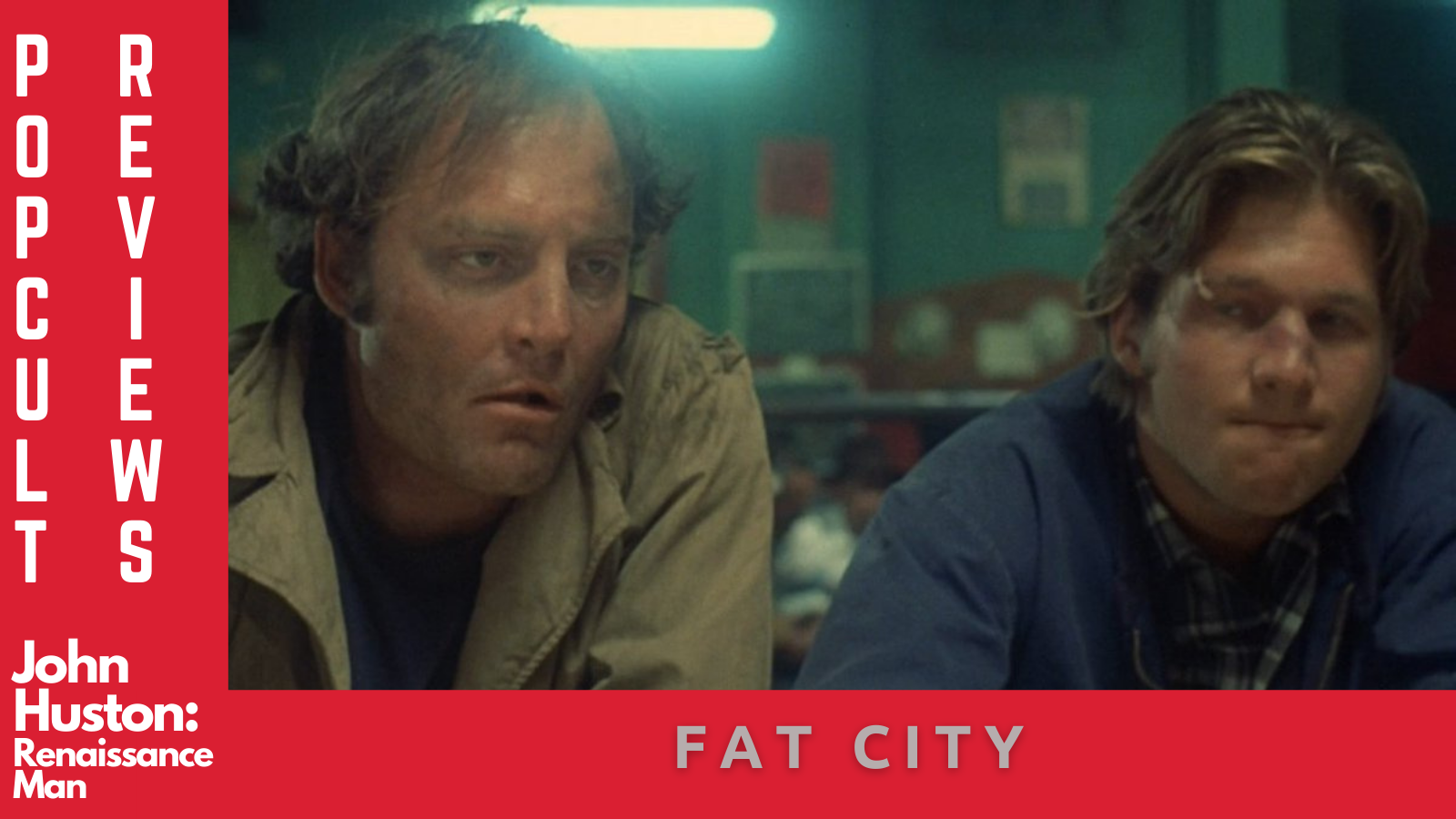
After directing The Misfits, John Huston continued his work with Montgomery Clift in Freud: the Secret Passion. Huston was an avid supporter of psychotherapy, and the film is narrated by the director. It’s a somewhat Messianic portrayal of Freud as enlightening humanity. Huston would adapt the Tennessee Williams’ play Night of the Iguana in 1964, followed by The Bible: In the Beginning in 1966. That latter film produced by the legendary Dino de Laurentis was one of the last big overblown Biblical epics of the era. Huston appeared in the picture as Noah. These movies were not well received by critics & audiences, which was disappointing. Fat City would turn the tide as the director surveyed the changes happening in American cinema and adapted his style.

Continue reading “Movie Review – Fat City”

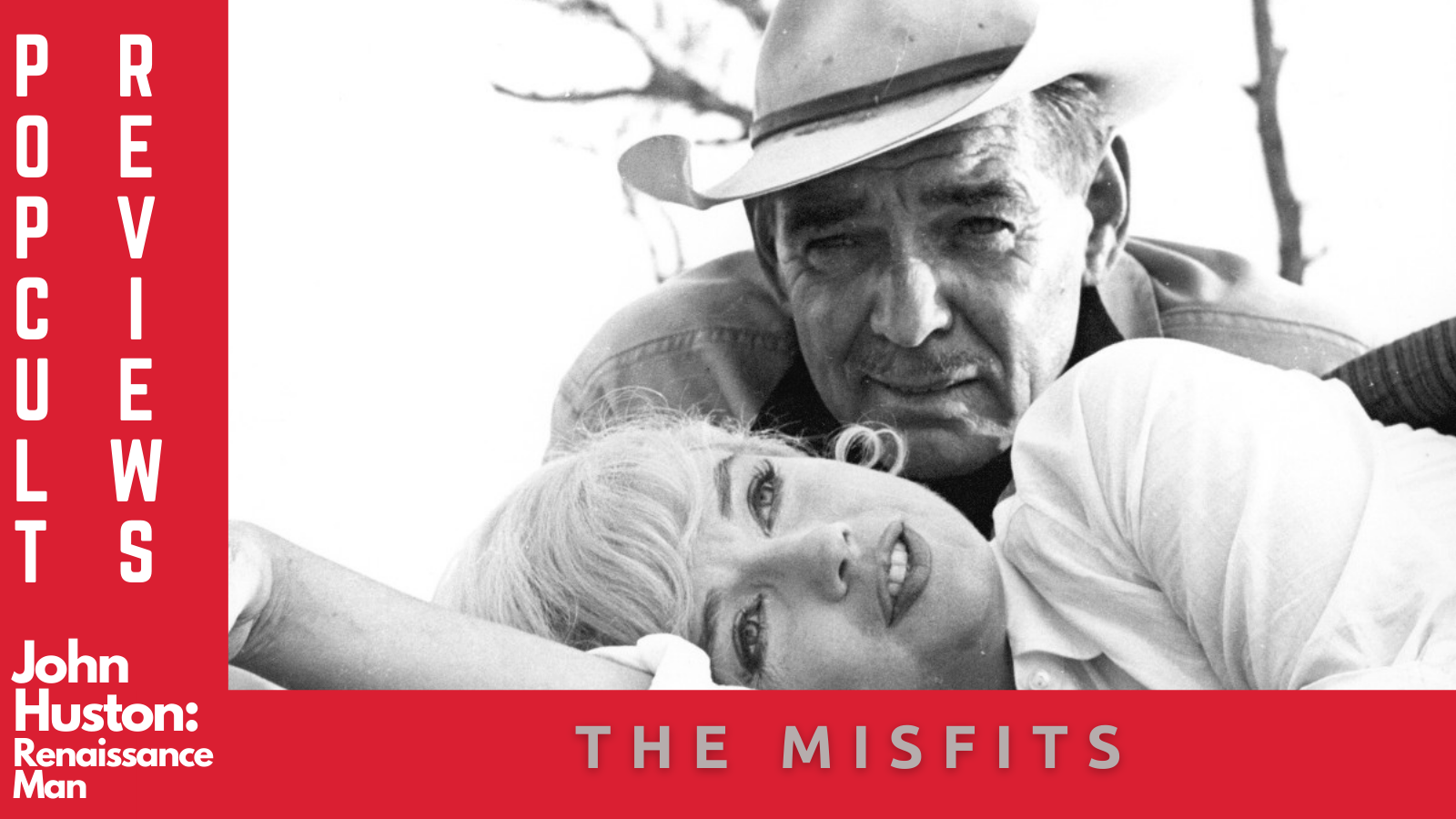
Movie Review – The Misfits

The Misfits (1961)
Written by Arthur Hiller
Directed by John Huston

The Misfits is a heartbreaking film, both from what you see on screen and what was happening behind the scenes. This would be both Clark Gable and Marilyn Monore’s final performances. Montgomery Clift, who would only make three more appearances before his death in 1966, had a troubled background and struggled with his health and sexual identity. It was very fitting that these actors be the ones playing these broken characters, lost in the Reno wastes, trying to figure out where they were going and how to connect with others. While not a violent movie, The Misfits is the bleakest picture I’ve seen from John Huston. Despite its slightly hopefully ending, there’s a lot of uncertainty about what happens next.

Continue reading “Movie Review – The Misfits”

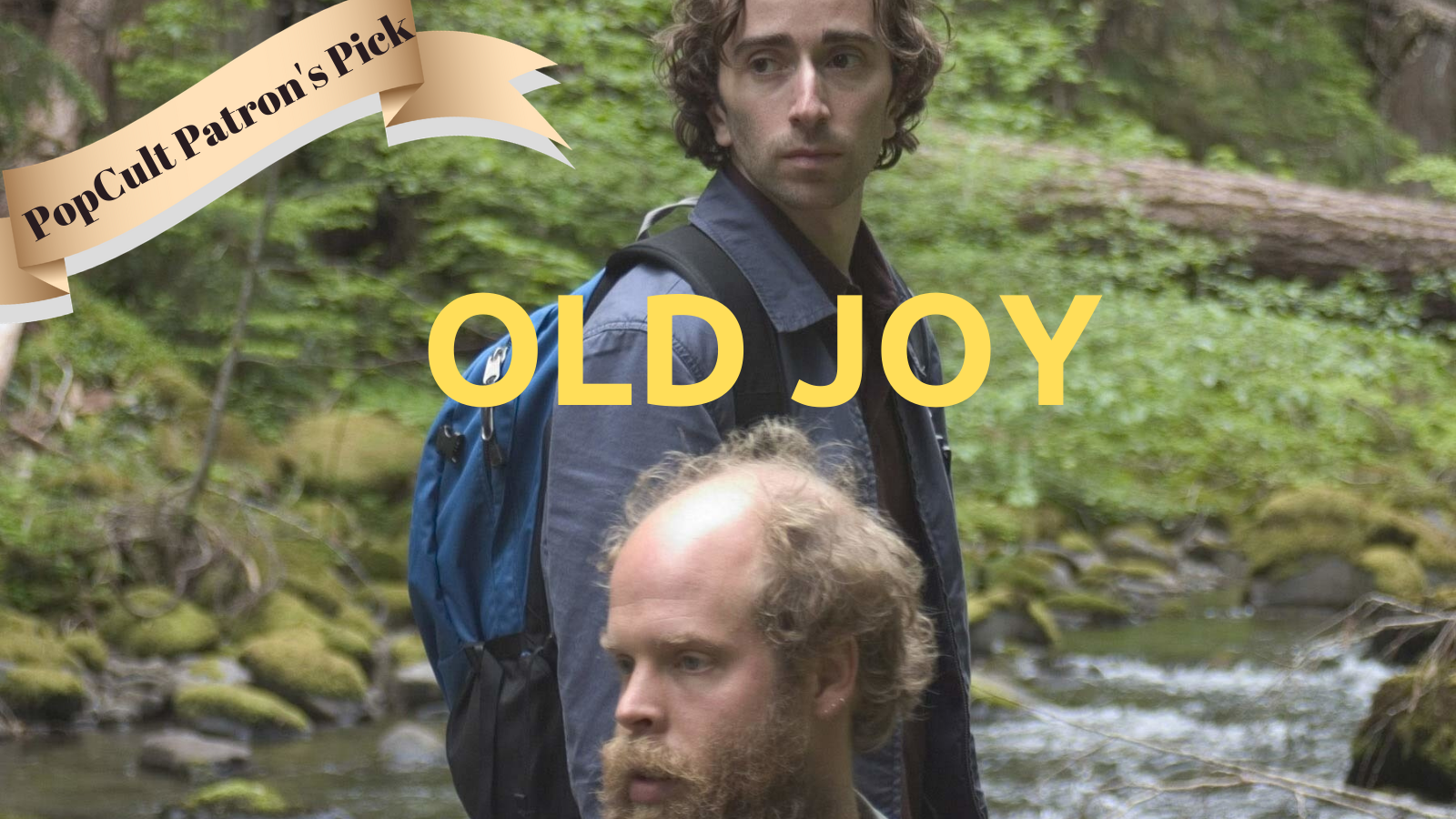
Patron Pick – Old Joy

This is a special reward available to Patreon patrons who pledge at the $10 or $20 a month levels. Each month those patrons will get to pick a film for me to review. They also get to include some of their own thoughts about the movie. This Pick comes from Matt Harris.

Patron Pick – Old Joy (2006)
Written & Directed by Kelly Reichardt

Time eats away at friendships. You can know someone for years, become very intimate with them, revealing personal information about yourself, but then some time passes, and all that closeness just fades away. As responsibilities pile up and general maturity sets in, those people you met in your formative years lose the shine they once had. It can be incredibly frustrating when you find yourself getting your life together while old friends continue to live in stasis. They cling to a chaotic, less responsible time out of fear of what could happen to them if they continue developing as people. Sometimes you feel a need to reconnect with people from your past without any real understanding of why. The most painful feeling can be when you find that connection is impossible to rekindle.

Continue reading “Patron Pick – Old Joy”

Movie Review – The Age of Innocence

The Age of Innocence (1993)
Written by Jay Cocks & Martin Scorsese
Directed by Martin Scorsese

New York City has played a central role in almost every Scorsese film. I think Alice Doesn’t Live Here Anymore, The Last Temptation of Christ, and Cape Fear were the only movies at this point that didn’t take place in and around NYC. Mainstream perceptions about Scorsese probably think he’s most concerned with a specific NYC era, but I’ve found he’s interested in the city at all stages of its development. Other than Temptation, this is the film that had occurred the furthest in the past in the director’s filmography. The movie adapts Edith Wharton’s novel The Age of Innocence, set when New York City had a very prevalent aristocracy with its own subculture of ritual & performance in public. This creates tension between our characters’ relationships and their inner thoughts, and it’s on that tightrope the whole film rests.

Continue reading “Movie Review – The Age of Innocence”