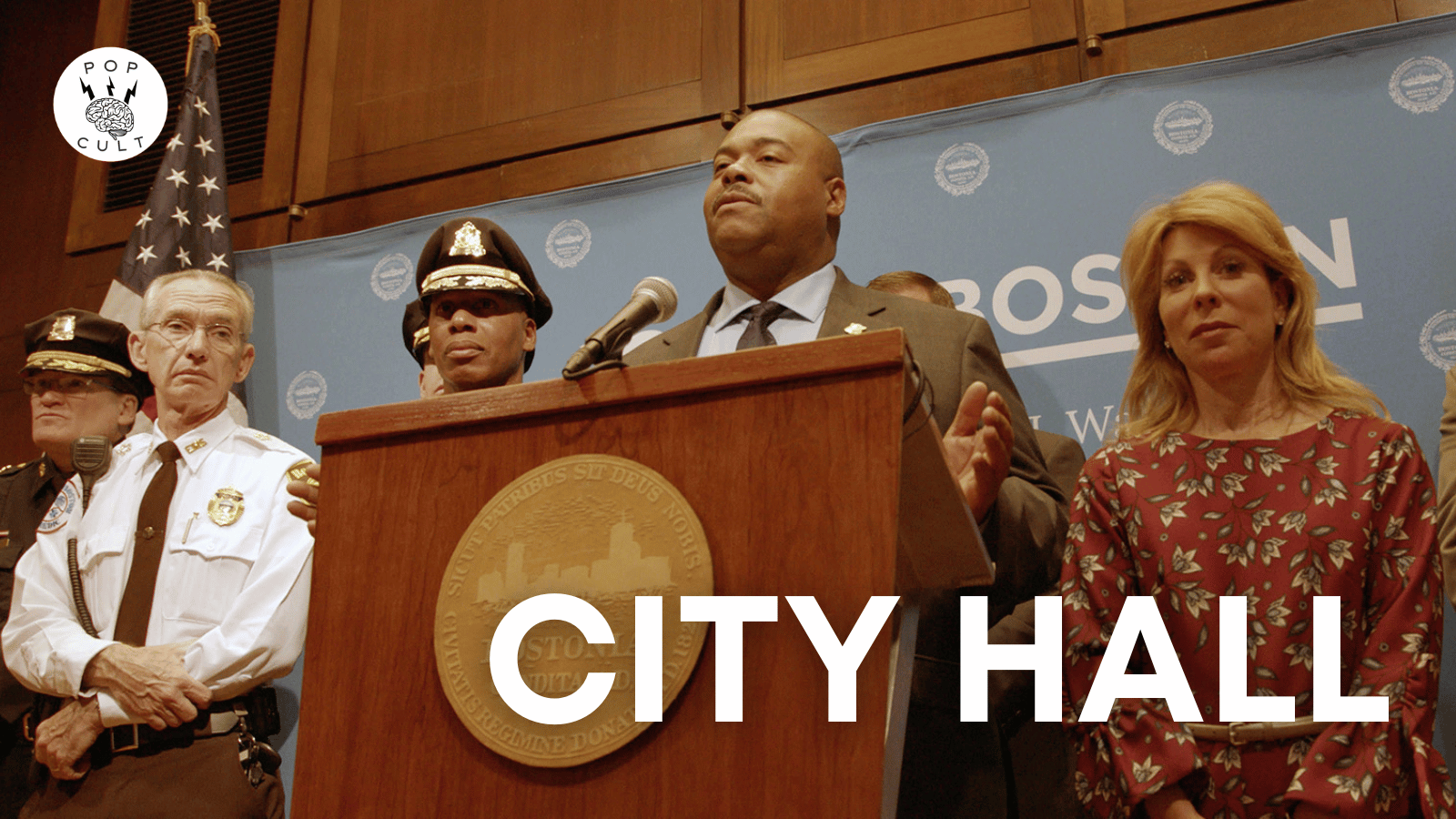
Movie Review – City Hall

City Hall (2020)
Directed by Frederick Wiseman

At age 94, Frederick Wiseman is still making documentaries. While elements of his style have changed over the decades, and he has very distinctive periods within his filmography, Wiseman has always retained sight of what is important to him in making docs. He believes presenting a moment as true to the heart of what was happening when the camera was rolling is more important than anything else. The process of making movies is inherently biased. There is no way to be objective in the editing bay; each cut is a subjective choice, and we can see that it feels different when someone re-edits a movie. Wiseman does not believe his films are THE final word on anything. They are simply the director and his camera being present in a moment and capturing what happened.

Continue reading “Movie Review – City Hall”

Movie Review – Public Housing

Public Housing (1997)
Directed by Frederick Wiseman

Frederick Wiseman didn’t slow down in the 1980s or 1990s. He continued to put out a film almost every other year about topics as varied as horse racing, a Neiman Marcus department store, Central Park, and a series of docs about people with disabilities. In 1997, he delivered this three-hour exploration of the politics that governed the Ida B. Wells public housing development in Chicago, Illinois. Much like Welfare, Wiseman is trying to capture the voices of the people in power within the institutions as well as the recipients (or people who should be getting, but often don’t get) these services.

Continue reading “Movie Review – Public Housing”

Movie Review – Welfare

Welfare (1975)
Directed by Frederick Wiseman

Frederick Wiseman has made his career focusing on institutions, and while he has branched off in later years ever so slightly, the most significant change in his method of filmmaking is going from tight 90-minute movies to large sprawling epics. It makes sense; the topics of his work are vast & challenging to grasp. You need time to let them breathe and for narratives to emerge. Welfare clocks in at nearly three hours long. I argue passionately that not only is this Wiseman’s masterpiece, but it is also one of the greatest documentary films ever made. Within this relatively short time, the audience will experience every stage of life and almost every element that brings drama into our lives.

Continue reading “Movie Review – Welfare”

Movie Review – Juvenile Court

Juvenile Court (1973)
Directed by Frederick Wiseman

Frederick Wiseman’s seventh film, Juvenile Court, came after producing at least one documentary a year from 1968. High School & Law and Order each contemplated how American institutions subjected people to forms of control. The former sees how we teach children as wrapped up in authoritarian ends, while the latter is about how authoritarianism is exercised in the community. It makes sense that Wiseman would make Juvenile Court as it is where these two paths converge, the place where young people are brutally institutionalized to “get them in line.” In a film that foresees Wiseman’s magnum opus, Welfare, he constructs tighter narratives, following a small number of young people and families through the court process.

Continue reading “Movie Review – Juvenile Court”

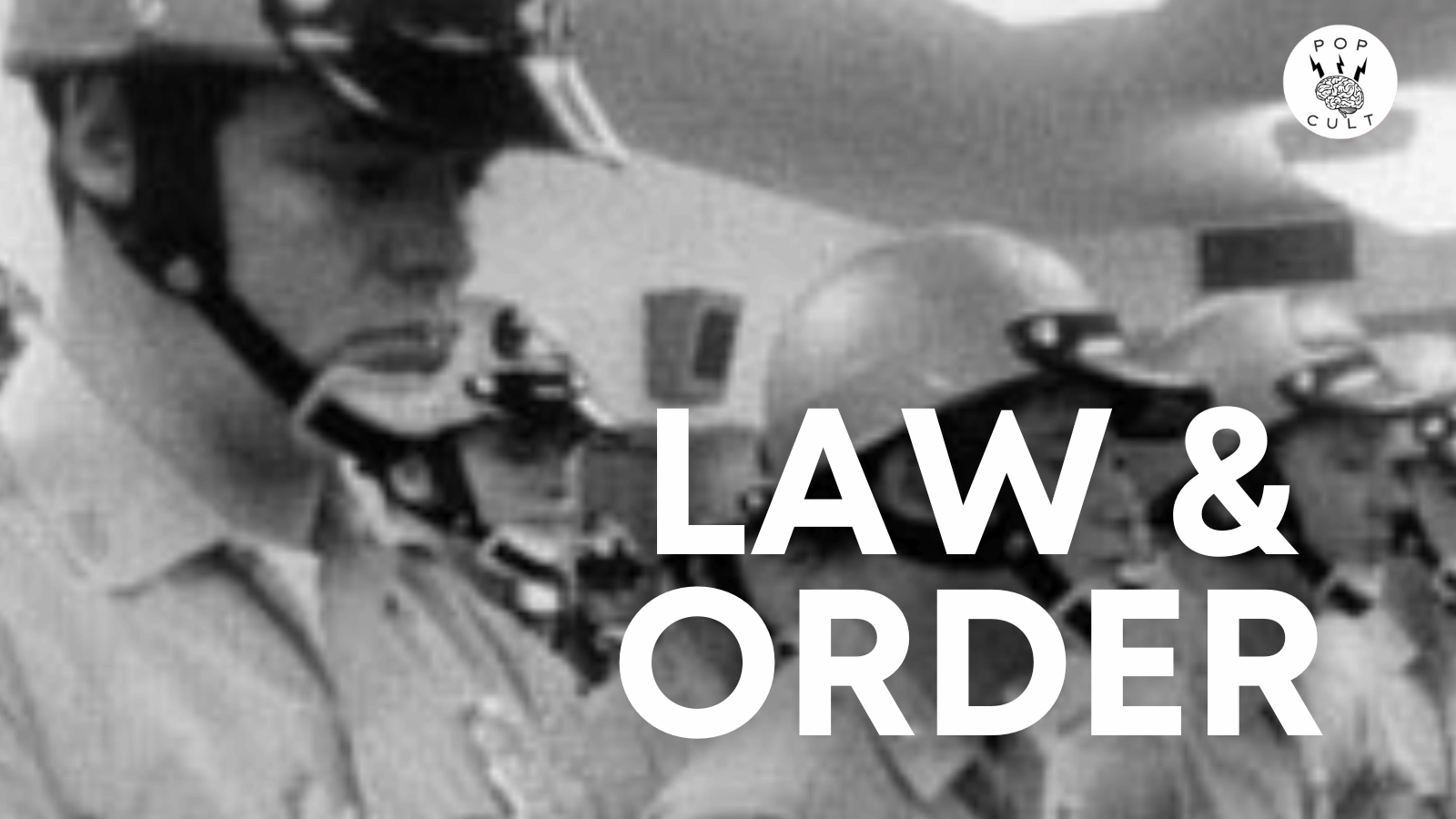
Movie Review – Law and Order

Law and Order (1969)
Directed by Frederick Wiseman

The police are not your friends. They are, in fact, an occupying force planted by those in positions of power who have tremendous wealth. The police are actually state-sponsored gangs, as you can see from their origins and the ongoing criminal money-making schemes so many of them have going on the side. Many articles on the Los Angeles County Sheriff’s Department’s deputy gangs and their activities can be found if you want to know more. This is standard practice when you give a select group of people in a society permission to commit nearly unaccountable acts of violence under the guise of “protect and serve.” In 2005, the U.S. Supreme Court ruled the police have no obligation to protect any person from harm. The police exist solely to protect the interests & investments of the ruling class. They would easily kill any one of us in service to that duty.

Continue reading “Movie Review – Law and Order”

Movie Review – High School

High School (1968)
Directed by Frederick Wiseman

While the asylum featured in Frederick Wiseman’s debut documentary Titicut Follies is not an institution most of us would ever experience firsthand, America’s education system is far more universal. Asylums and schools are strangely similar. They house people who would otherwise be deemed a danger to themselves and others if they roamed the streets unattended. They are run by rigid rule followers under the guise of caregivers. While the individual nurses and teachers at each respective institution may be doing their best, those higher up on the chain of command who control the purse strings often overlook great suffering that they could otherwise alleviate. In 1968, the American high school was a powder keg on the frontline of growing cultural discontent, making it a fascinating environment.

Continue reading “Movie Review – High School”

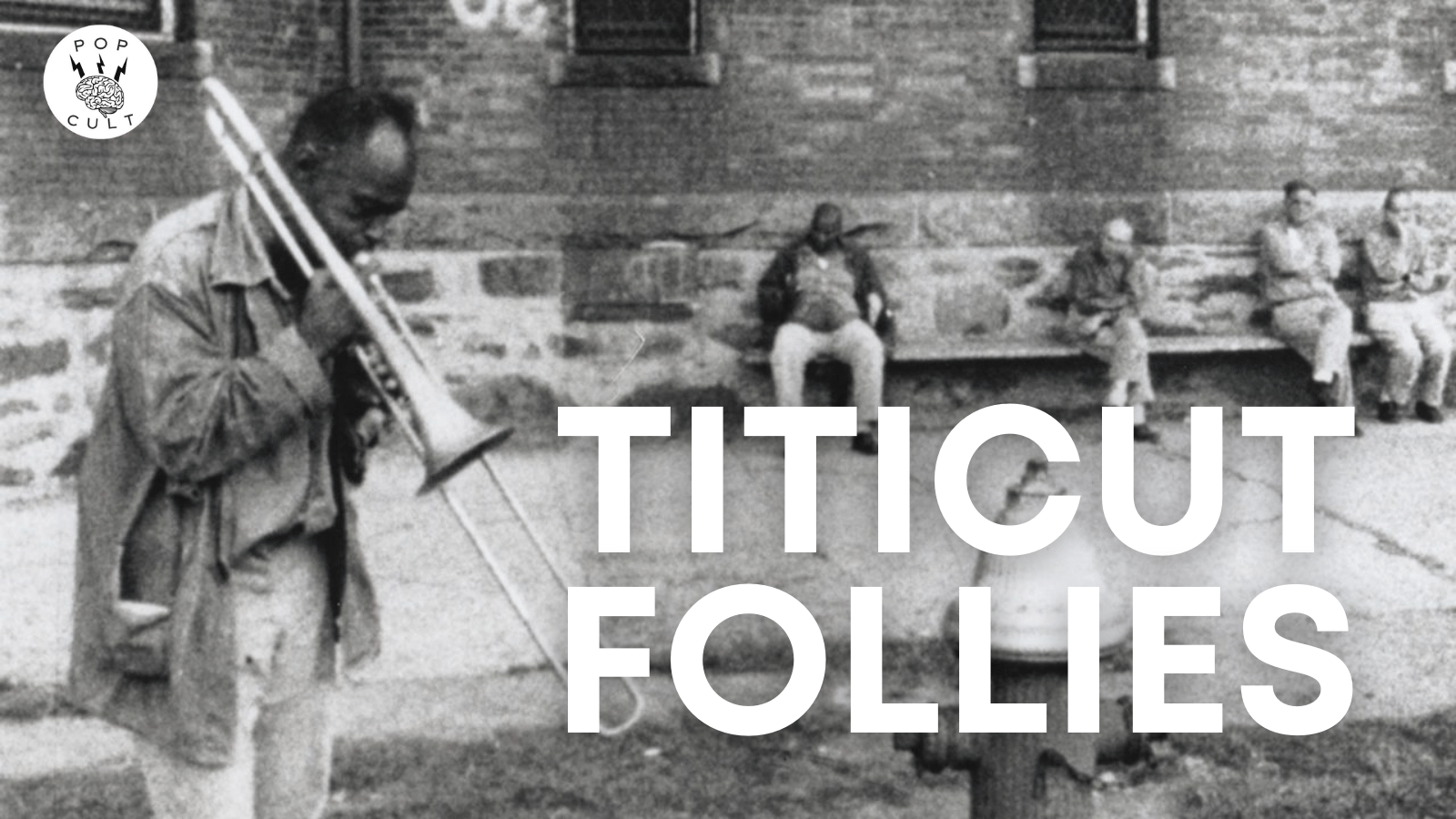
Movie Review – Titicut Follies

Titicut Follies (1967)
Directed by Frederick Wiseman

These days, you wouldn’t be blamed for thinking the documentary is purely a vessel for true crime. The media landscape has become saturated with docs that are akin to a segment on Dateline NBC about spouses becoming homicidal or people joining cults. While those things happen, they are far outside the norm of human experience. This is why I gravitate to the documentarians of the 60s and 70s when the form flourished and we got some incredible films. Few filmmakers in this corner of cinema do it better than Frederick Wiseman. During the first half of March, we will look at six of his most highly regarded works, which turn his eye towards the institutions and offices of authority that direct life in the States.

Continue reading “Movie Review – Titicut Follies”