Danger Street (2024) Reprints Danger Street #1-12 Written by Tom King Art by Jorge Fornés
Why do I pick up a new Tom King comic if I dislike his work? [1] [2] [3] [4] [5] You might be asking that. The premise for Danger Street is the sort of thing that would naturally hook someone like me. It’s based on First Issue Special, a short-lived D.C. Comics series from the 1970s, in which each issue served as a “pilot” for an ongoing project. The proposed titles spanned a diverse gamut from established but obscure heroes (Dr. Fate, Creeper, and Metamorpho) to reboots of concepts (New Gods, Manhunter, and Starman) to new ideas that used familiar tropes (Atlas, Warlord, Codename: Assassin) to complete weird left turns (The Green Team, Lady Cop, Dingbats of Danger Street, and The Outsiders). King takes all these characters, and attempts to weave a sprawling tale that mixes the epic feel of comics with the grounded takes of more post-modern comics. Like most of King’s work, the concept is far more interesting than the execution.
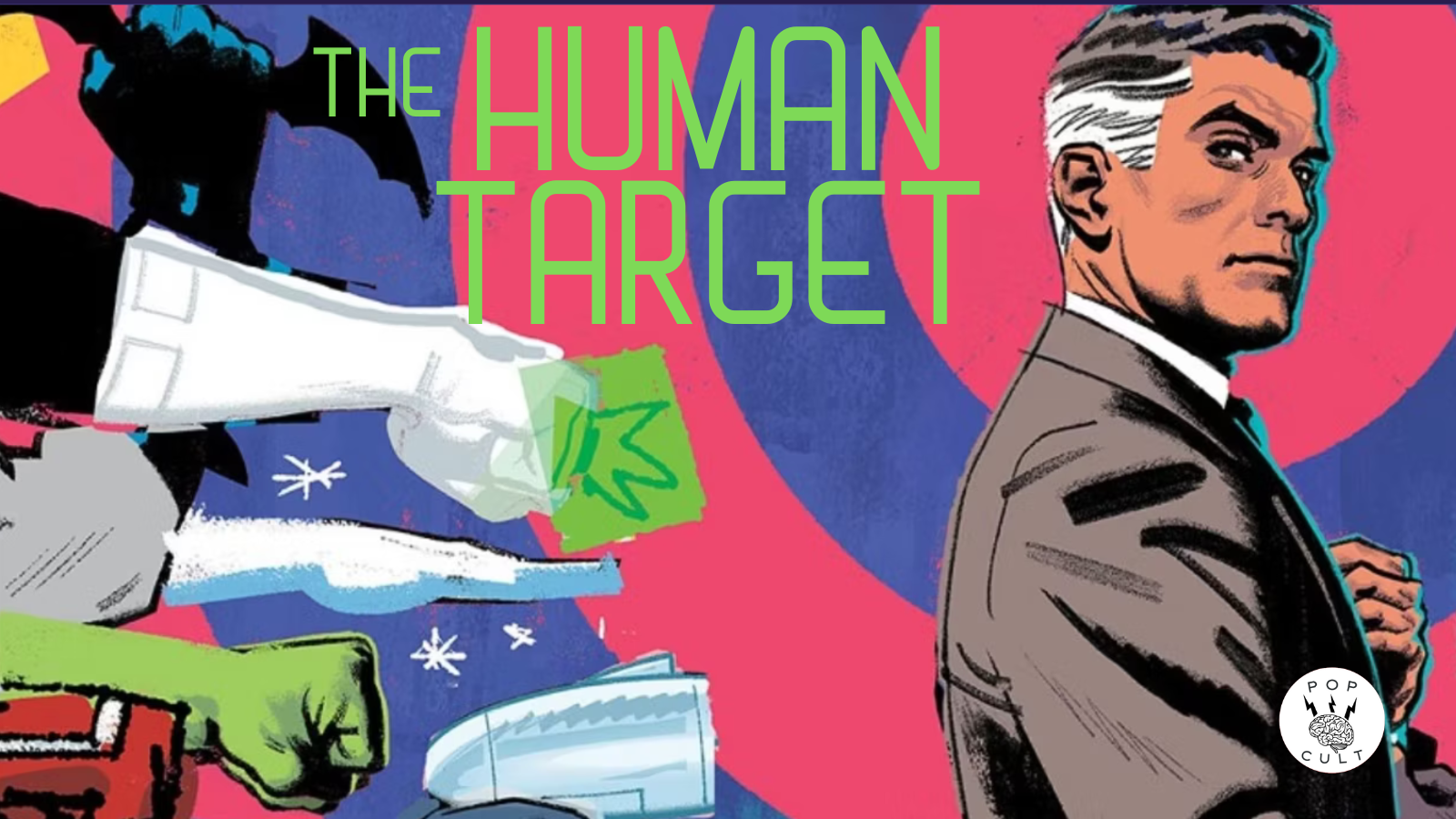
The Human Target (2023) Reprints The Human Target #1-12 Written by Tom King Art by Greg Smallwood
I hate to keep harping on how much I dislike Tom King’s work but here we are again. If I don’t like the guy so much why do I keep coming back, you might be asking. I think it’s because on the surface his concepts aren’t bad. He likes using lesser “played with” toys from the DC Universe and I have always been far more interested in those figures than seeing Batman all the time. In the instance of The Human Target he took this obscure character created to tell spy stories and combined it with the Giffen-DeMatteis-era Justice League. I will admit that’s a creative combination I hadn’t ever thought of. I love those characters and that era for how unique they were, how risky it was to go in that direction. King is currently writing Danger Street, another 12 issue maxi-series bringing in some of the most obscure characters from DC’s 1970s showcase First Issue Special. I will definitely be reading that one when it is done.
Supergirl: Woman of Tomorrow (2022) Reprints Supergirl: Woman of Tomorrow #1-8 Written by Tom King Art by Bilquis Evely
On November 1, 2022, filmmaker James Gunn and producer David Zaslav were made the co-heads of DC Films. In March, they announced the opening slate of projects, a mix of animated series, live-action series, and movies that would be a heavy reboot of the previous DC Extended Universe pictures. Many comic arcs were cited as the inspiration for these projects; one was Supergirl: Woman of Tomorrow, which will be made into a feature film. This is part of a ten-year plan, so don’t expect to watch this movie anytime soon; it has a tentative release date of sometime in 2027. Quite ambitious, given the forecast for the climate’s ongoing collapse. If you are a regular reader of PopCult, then you know I am not a fan of Tom King. I find his neoliberal perspective one of the worst I’ve encountered in the funny books, making much of his work unenjoyable for me. However, I decided to give him the benefit of the doubt as I sat down to tackle this book.
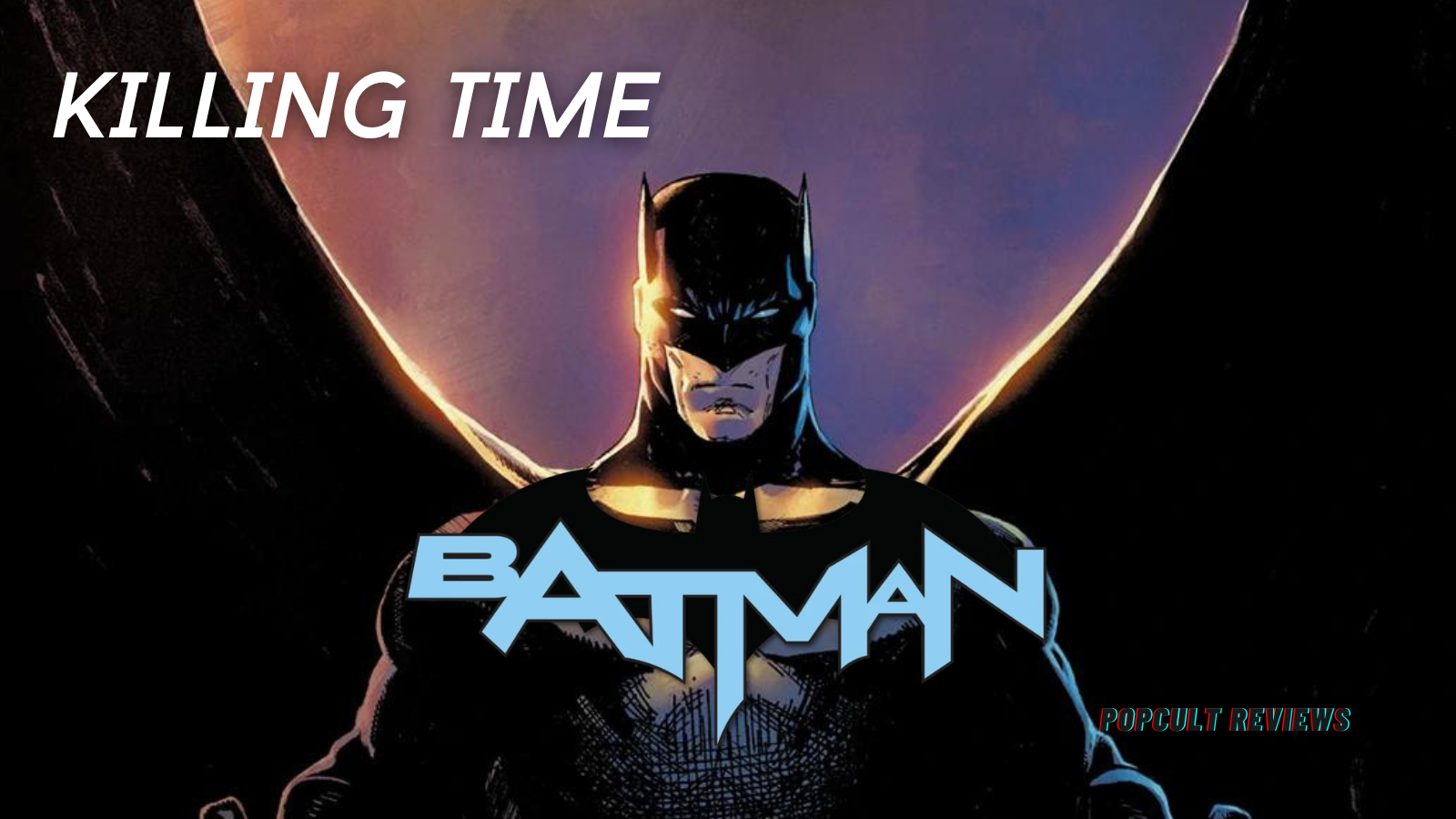
Batman: Killing Time (2022) Reprints Batman: Killing Time #1-6 Written by Tom King Art by David Marquez
I don’t think this is a controversial opinion, but here goes: The most interesting thing about the Batman mythos is his villains. If you had to compare Batman to another superhero based on everything surrounding the character, Spider-Man is your best bet. Yet, Spider-Man is a character often more interesting than many of his rogues while still having some fascinating baddies in the mix. Batman, on the other hand, is a one-note character for me; of course, it all depends on who is writing. I’m always eager to see what the villains are up to, though, and this mini-series by Tom King focuses mainly on two of them, a pair we don’t see too often: The Riddler and Catwoman.
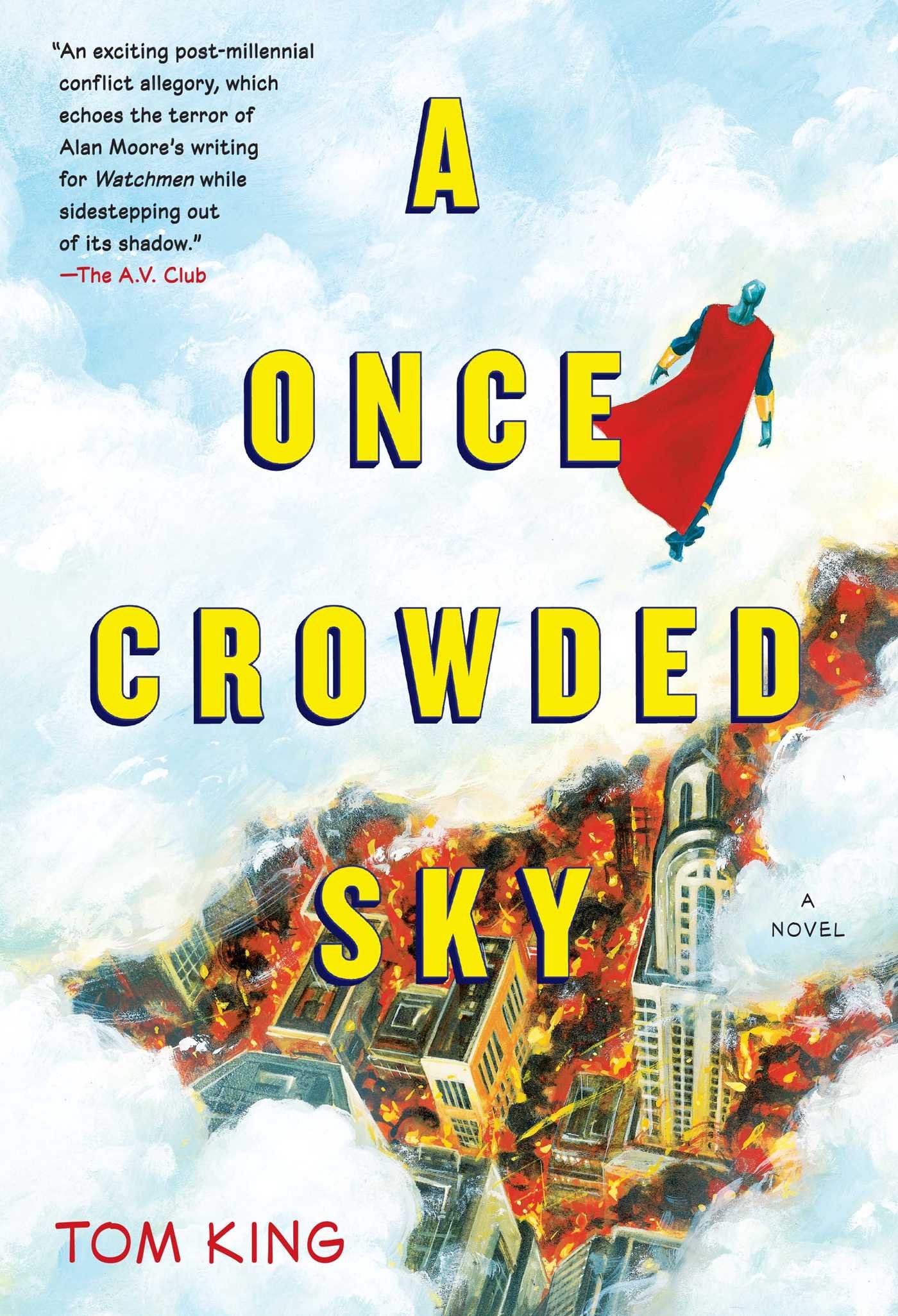
He was definitely my favorite comic book writer of the year thanks to Omega Men, The Sheriff of Babylon, Batman, and The Vision. Once I saw he had written a superhero-themed novel I decided to give it a chance.
“King’s story revolves around the only superpowered hero left in the world—the one who stayed behind with his wife when all the others sacrificed themselves to save the world. As a strange new violent terrorism begins destroying parts of cities at random, PenUltimate needs to decide whether he wants to be a hero again…an enjoyable postmodern superhero story.” (Washington City Paper)
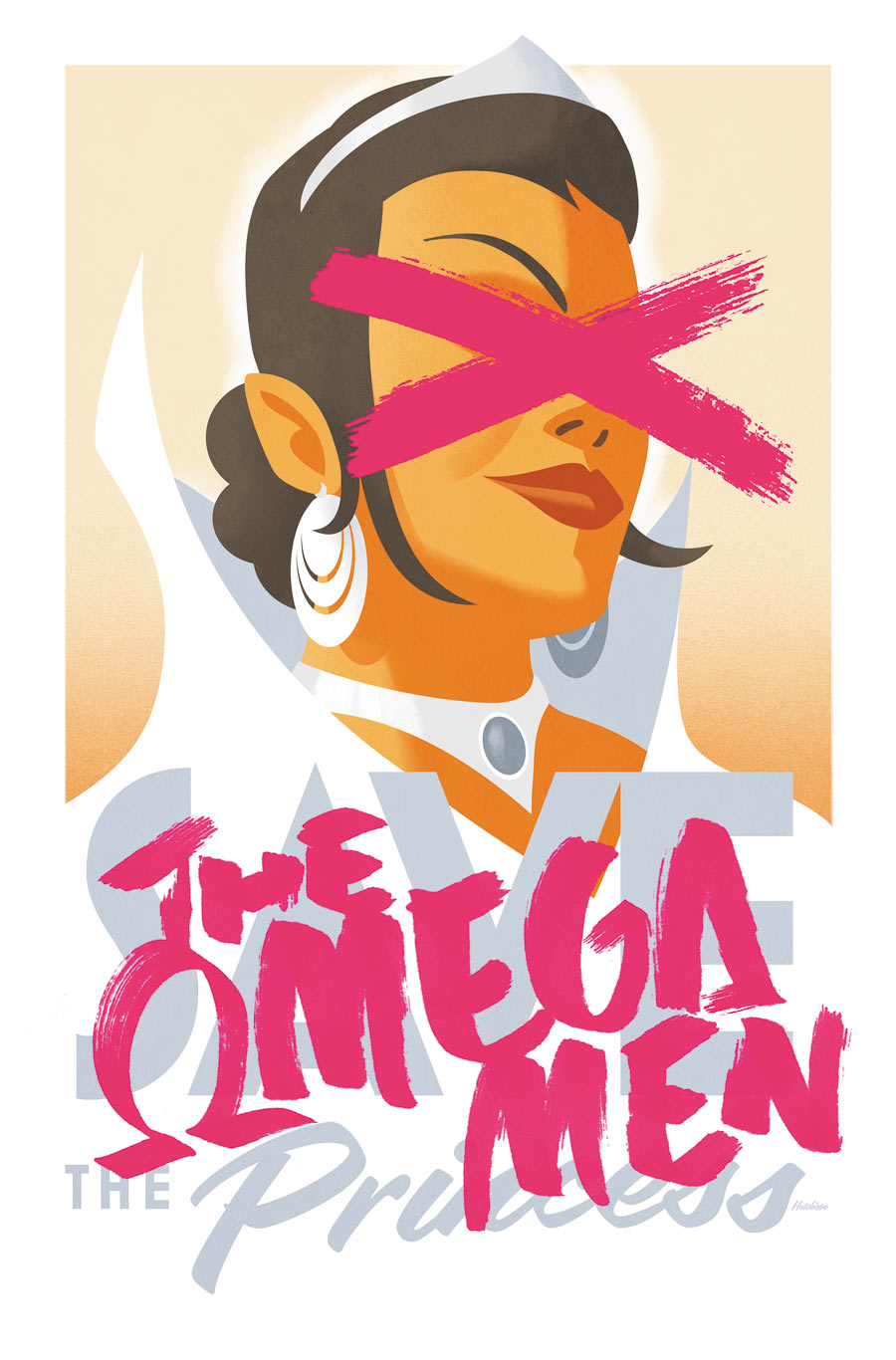
Omega Men (DC Comics) Writer: Tom King Artist: Barnaby Bagenda, Toby Cypress (#3) Omega Men: The Complete Series will be released August 30th, 2016
You’re meant to be disoriented when you start Tom King’s Omega Men. You’re tossed into the midst of war, specifically a military strike on suspected terrorist outpost. Even if you had followed previous incarnations of the Omega Men, you will feel just like the soldiers on the dropship: jostled around, anxious, not exactly sure what happens when the door drops down. Omega Men follows the titular outlaws of the Vega System, composed of Karna, Hy’nxx, Voorl, Ogyptu, and Changralyn. You will explore these planets in light touches over the course of the series but never truly know them. In the same way, you will explore aspects of our characters’ pasts but never really know them. In fact, the protagonist of the series, former Green Lantern Kyle Rayner, won’t even come to the forefront til the third issue. Omega Men subverts expectations you have about “superhero” comics at every turn, mainly because it is not about superheroes.
“To assert as truth that which has no meaning is the core mission of humanity”
– The Vision, Issue 1
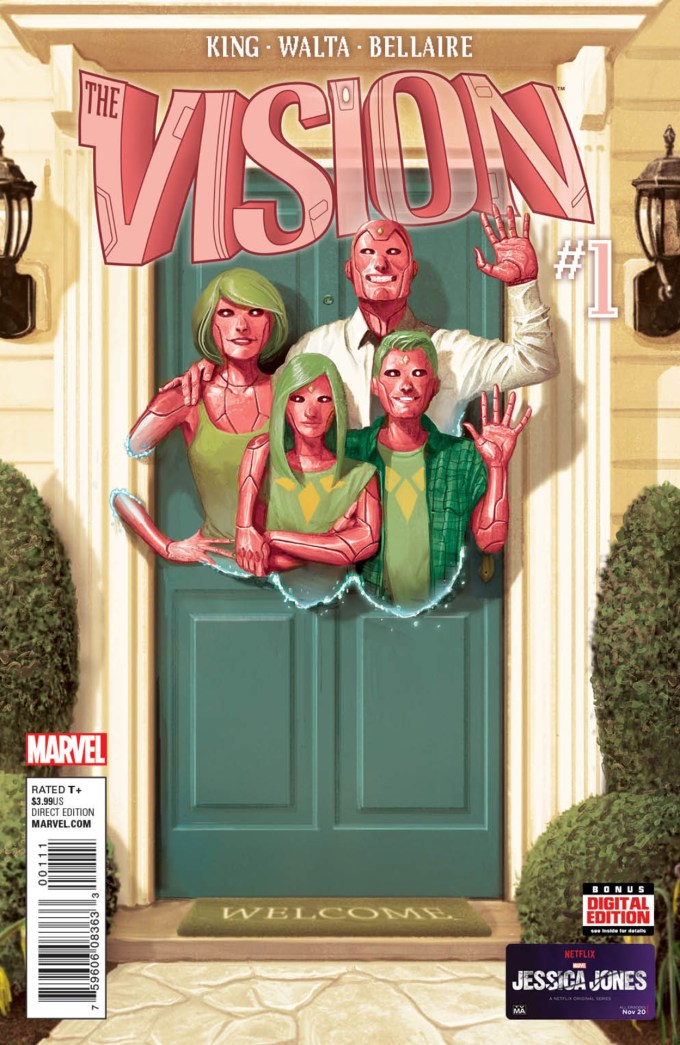
Cover for The Vision #1. Art by Mike del Mundo.
The title character of the series shares this philosophy with his wife early on and it remains above their heads afterwards. It’s a clear reveal of what this character, who strives be more like us, actually thinks of humanity. I see it as very cynical view of our species, but that may be because of how accurate it is. The “truth hurts” they say.
The Vision, by Tom King and Gabriel H. Walta, is about the classic Avenger and the family he has constructed for himself. The Vision is not a robot; this is made explicit in a conversation between the first neighbors to visit them. Instead he is a synthezoid, a being made from synthesizing solar energy into Horton Cells, the same material used to create the original Human Torch. Synthezoids contain internal organs and a nervous system like humans, but have no need to eat or sleep. After shaking The Vision’s hand, a neighbor remarks that it felt like shaking hands with a plastic bag. What we are dealing with are like humans, but very much not humans.
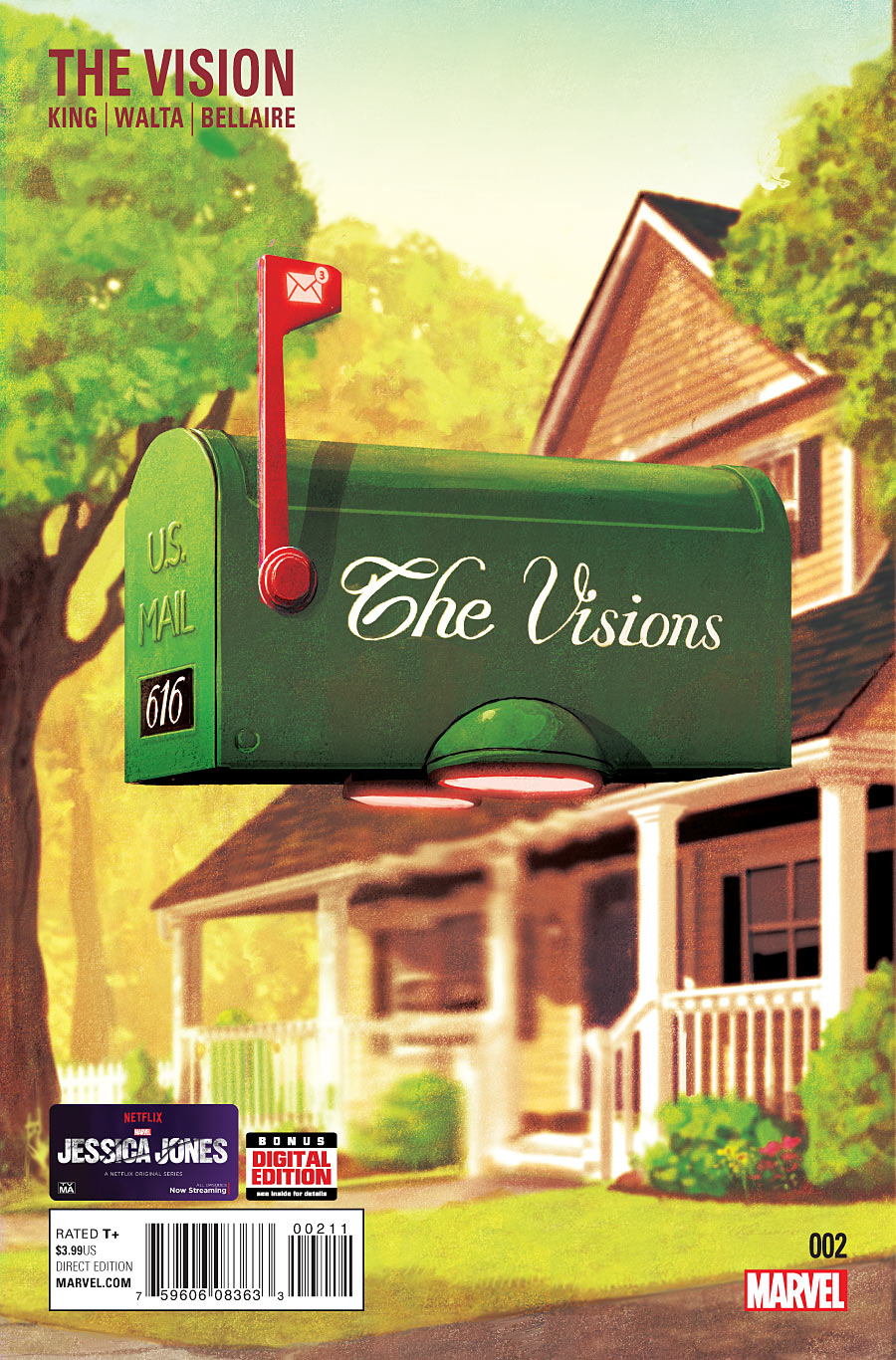
Filling out the family are Virginia and their two adolescent children Viv and Vin. Looking at the covers for issues 1 thru 6 we’re shown very Norman Rockwell-esque presentations of the family but always with some drastic twist that constantly reminds us of their defining lack of humanity. In issue 1 The Vision alludes that Virginia’s brain patterns are modeled on someone he knows, fairly obvious if you are familiar with the character’s history. The children are as close to human children as two synthezoids could make: a combination of their brainwaves.
Right away writer King makes is obvious this is not going to be a series about characters in capes
Cover for The Vision #2. Art by Mike del Mundo.
and tights fighting global threats. The Vision is much less about the title character than it is about these beings he brought into the world and the hell their life is becoming. Virginia is in constant fear of how the external world will react to she and the children. She questions why they must be sent off to attend school and her husband explains it is important in their development to become like humanity.
And this is the core tension of the whole series: Can a family that is obviously not human be accepted by a society that has historically feared and shunned the Other? And in addition, can a family survive if its members are building their relationships on a series of lies? The Vision hesitantly believes the former is possible and his spouse lies on the opposite side of the argument, while fixing herself firmly in the latter category of lying to survive. While The Vision is ever stoic and logical when he speaks to his family, Virginia shows outbursts of violence and rage when outsiders threaten her children. And while Vision constantly emphasizes the need to assimilate he uses his abilities to phase through walls and fly constantly. Throughout the first volume, characters present their ideas of what being human is and then do the opposite, while claiming their desire to be human. Is being human being a bundle of contradictions? Vision may not realize it, but the readers will inevitably come to this conclusion.
It’s not essential to know the details of the Vision’s history but some foreknowledge leads
Cover for The Vision #4. Art by Mike del Mundo.
to a deeper understanding of the text. The Vision’s previous family with Scarlet Witch ended in a unmitigated disaster that has haunted the character since. By building his own family he is trying to right those wrongs, but also becoming more like his “father” Ultron, a villain notorious for building family members. From the start, his constructions are volatile, but also very human in the quickness of their tempers. Every act of violence is in the context of protecting another member of the family. And when actual death occurs there are circumstances that justify the outcomes. Virginia phases to avoid a bullet and an innocent dies. A villain attacks the family and brutally killed after he almost kills Viv. The Vision is the story of immigrants in a strange land. When violence and trouble occurs they are the first to be blamed because of their Otherness.
I haven’t recommended a comic book as strongly in a long time as I do The Vision by Tom King and Gabriel H. Walta. Of all Marvel’s All-New, All-Different line, The Vision has consistently been my favorite and one of those title you read immediately after you get the new issue. Tom King’s writing feels like a great tv show that you want to binge watch to see where these characters end up. Gabriel H. Walta’s art is simple and messy, but full of emotion. The faces of the Vision family are essentially identical but he gives life and personality to each one. Sadly, King has signed an exclusive contract with DC Comics and will be writing Batman. It’ll be great to read his Batman work, but he has stated his run on The Vision will end with #12 later this year. I’m so intrigued by his work I will be spending the summer reading through his runs on Omega Men, Nightwing, and The Sheriff of Babylon with more reviews to come.




 PopCult Reviews