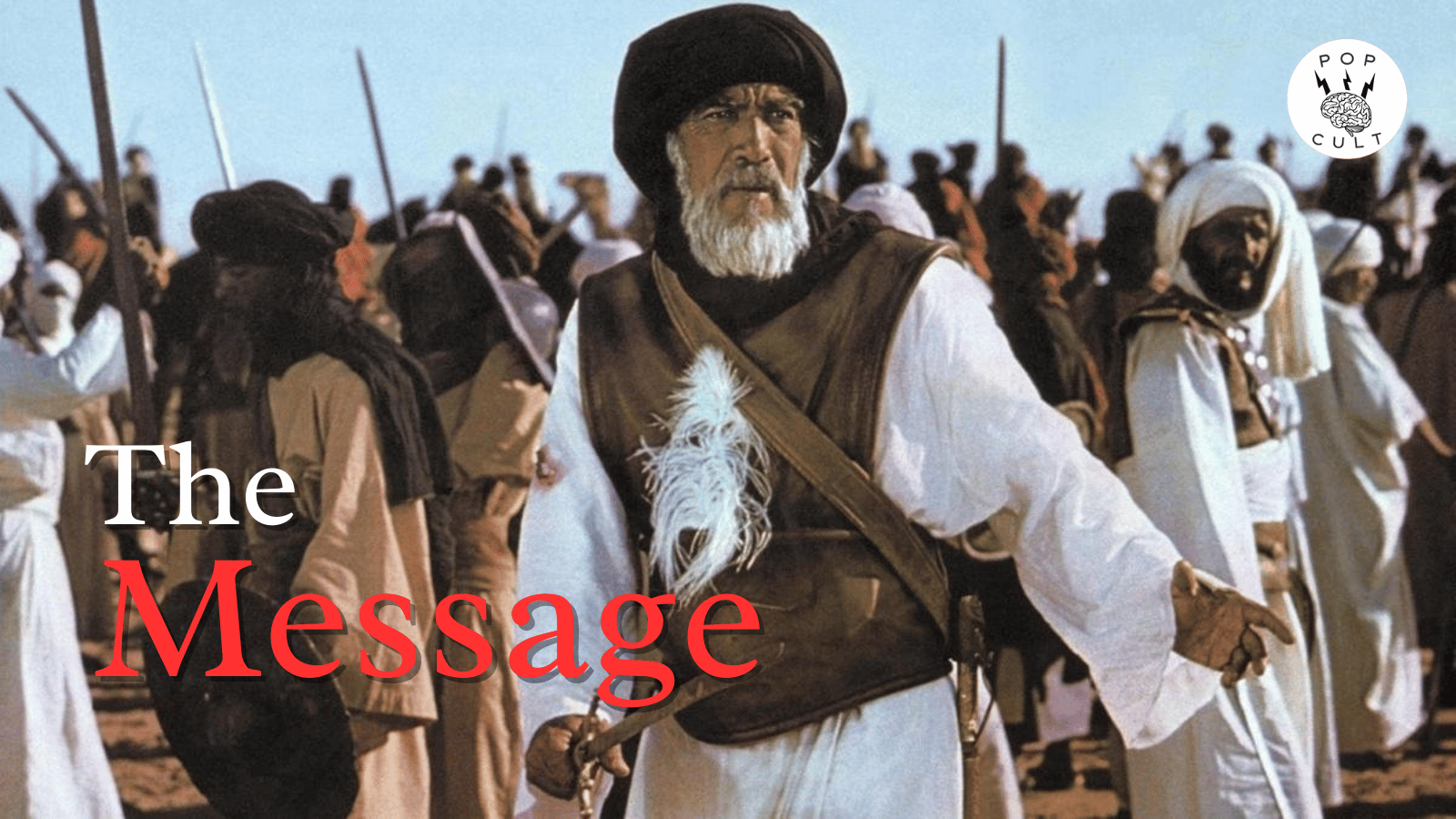
Movie Review – The Message (1976)

The Message (1976)
Written by H.A.L. Craig (English Version)
Directed by Moustapha Akkad

The Biblical Epic, while a film genre that has fallen off in recent decades, is quite well known as part of the Hollywood industry starting in the early 20th century. Cecil B. DeMille directed two versions of The Ten Commandments, one silent film (1923) and the more famous Charlton Heston version (1956). Ben-Hur received multiple versions as well as adaptations of the stories of Samson and Delilah, David and Bathsheba, and more. A film titled The Bible, directed by John Huston, even covered the first 22 chapters of Genesis. That’s not even getting into the multitude of movies based on the life of Jesus. 

Continue reading “Movie Review – The Message (1976)”
Movie Review – The Ascent

The Ascent (1977)
Written by Vasil Bykaŭ, Yuri Klepikov, and Larisa Shepitko
Directed by Larisa Shepitko

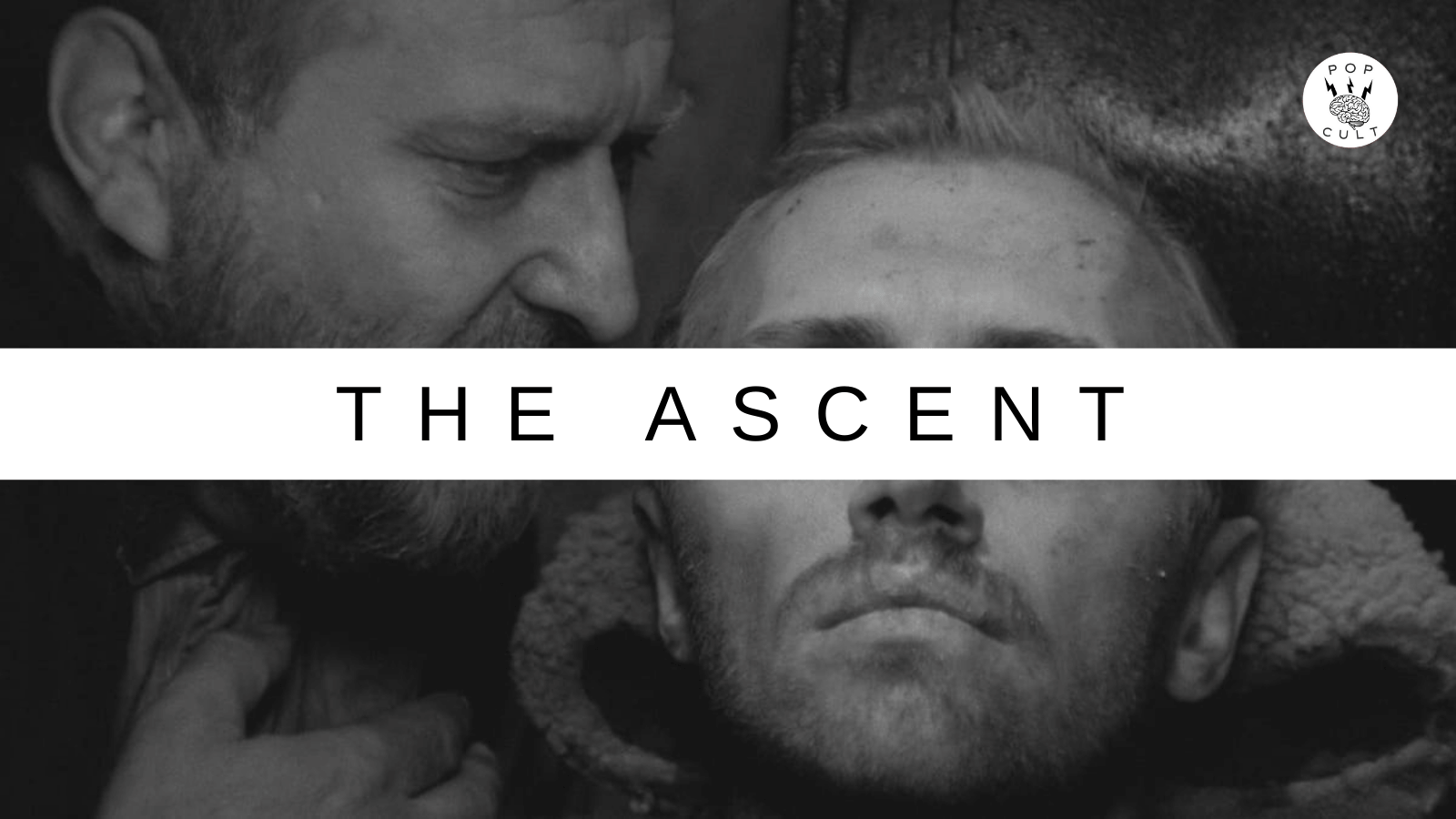
Two years after the release of The Ascent, writer/director Larisa Shepitko would be dead at age 41. She would leave behind her husband, Elem Klimov, the writer-director of Come and See, and Anton, their six-year-old son. Throughout her life, Sheptiko had struggled with her health. While filming her first movie, she contracted Hepatitis A. Her work was repeatedly censored, which caused her to have a mental breakdown. During her hospitalization in a sanitorium, Sheptiko had a fall that damaged her spine, and that caused Anton’s birth to be tremendously more painful for her than the average labor. Strangely, her death was just an accident. She and three crew members were driving home after scouting locations northwest of Moscow. The driver fell asleep at the wheel. Doctors ruled that all four died instantaneously when the car crashed. There is a plaque bearing her face and name on a street in Lviv, Ukraine, where she grew up. Her husband finished her last film, made one more himself, lived to be 70, and died in 2003. 

Continue reading “Movie Review – The Ascent”

Movie Review – The Ice Storm

The Ice Storm (1997)
Written by James Schamus
Directed by Ang Lee

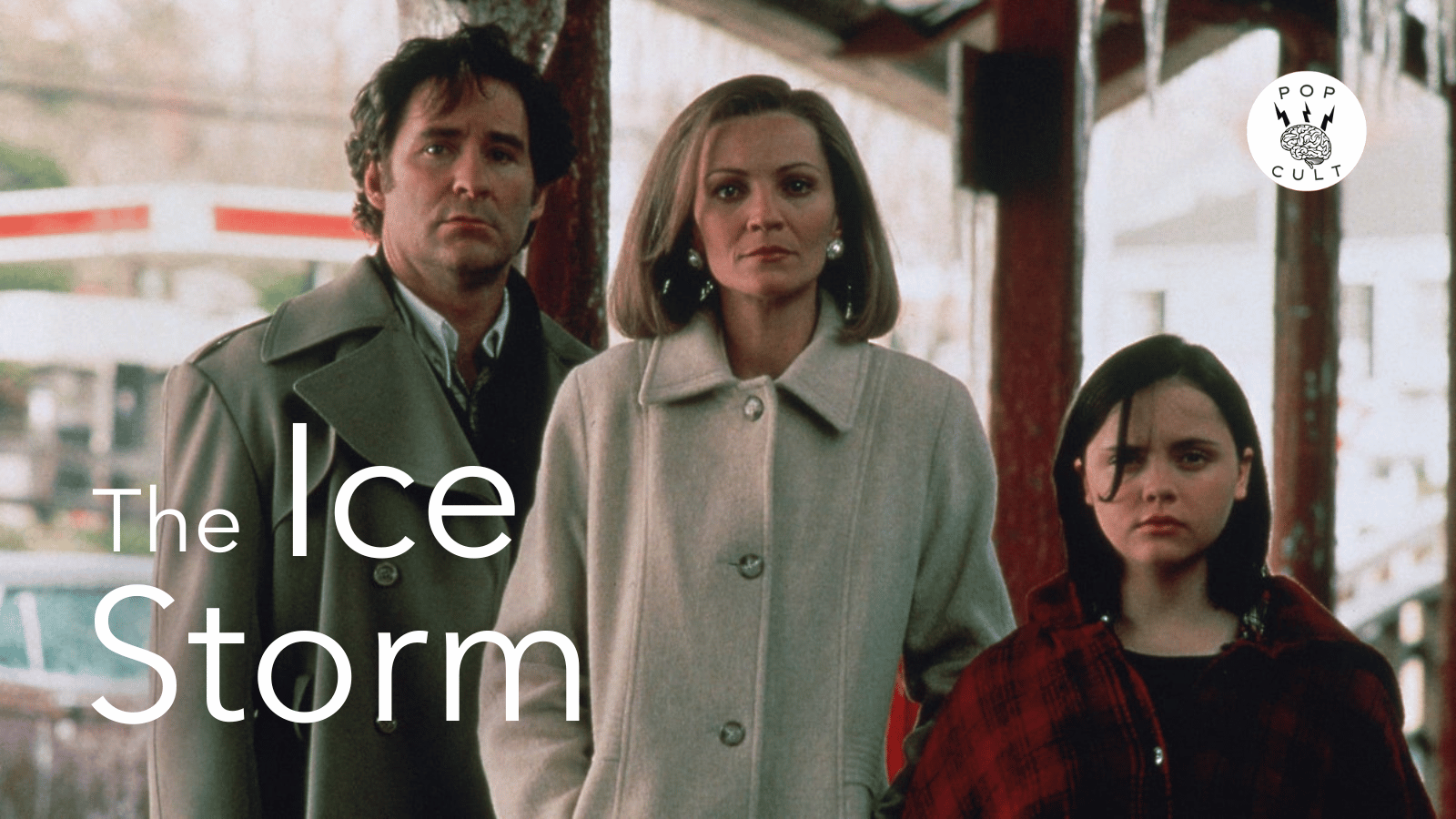
In our series “Hazy Shades of Winter,” we’ll be looking at films set during winter that also exude the cold, lonely feeling that the season can often bring about. Winter has often been seen as a necessary time of death in many cultures, with the spring being a renewal period. As a result, wintery films often feature themes of grief and desolation or even more interesting, deep self-reflection. As you’ll see in this series, characters often come to significant revelations about their current status; this may be the realization that a marriage is over or the recognition that a person has lost their religious faith. In the winter, the leaves have all fallen away, trees are laid bare, and there is nowhere to hide your secrets.

Continue reading “Movie Review – The Ice Storm”

Movie Review – The Spirit of the Beehive

The Spirit of the Beehive (1973)
Written by Víctor Erice and Ángel Fernández Santos
Directed by Víctor Erice

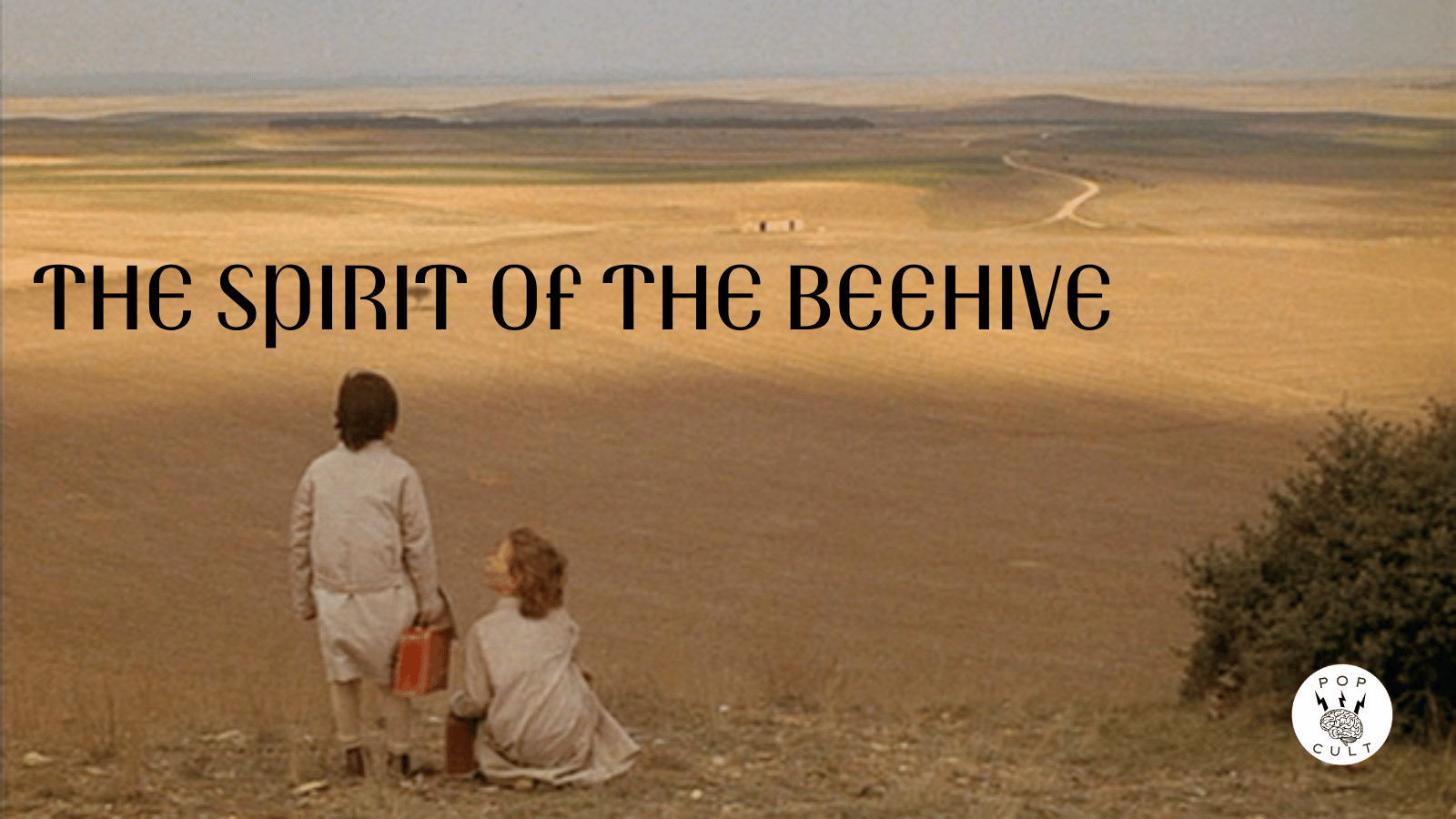
Despite the best efforts of Hollywood and Peter Pan, childhood is often a melancholy, mysterious experience for most children. They are born into a world already in flux, expected to adhere to systems & institutions they had no say in creating, and shouted at when they hesitate or show fear. The Spirit of the Beehive is a film that lives in that space, told through the eyes of a child living in the early years of the Franco regime in Spain. Filmmaker Victor Eric pulls off this dreamlike atmosphere by letting us pivot between the complicated world of the adults and the rich, imaginative inner life of our young protagonist.

Continue reading “Movie Review – The Spirit of the Beehive”

Movie Review – Celine and Julie Go Boating

Celine and Julie Go Boating (1974)
Written by Jacques Rivette, Dominique Labourier, Juliet Berto, Eduardo de Gregorio, Bulle Ogier, and Marie-France Pisier
Directed by Jacques Rivette

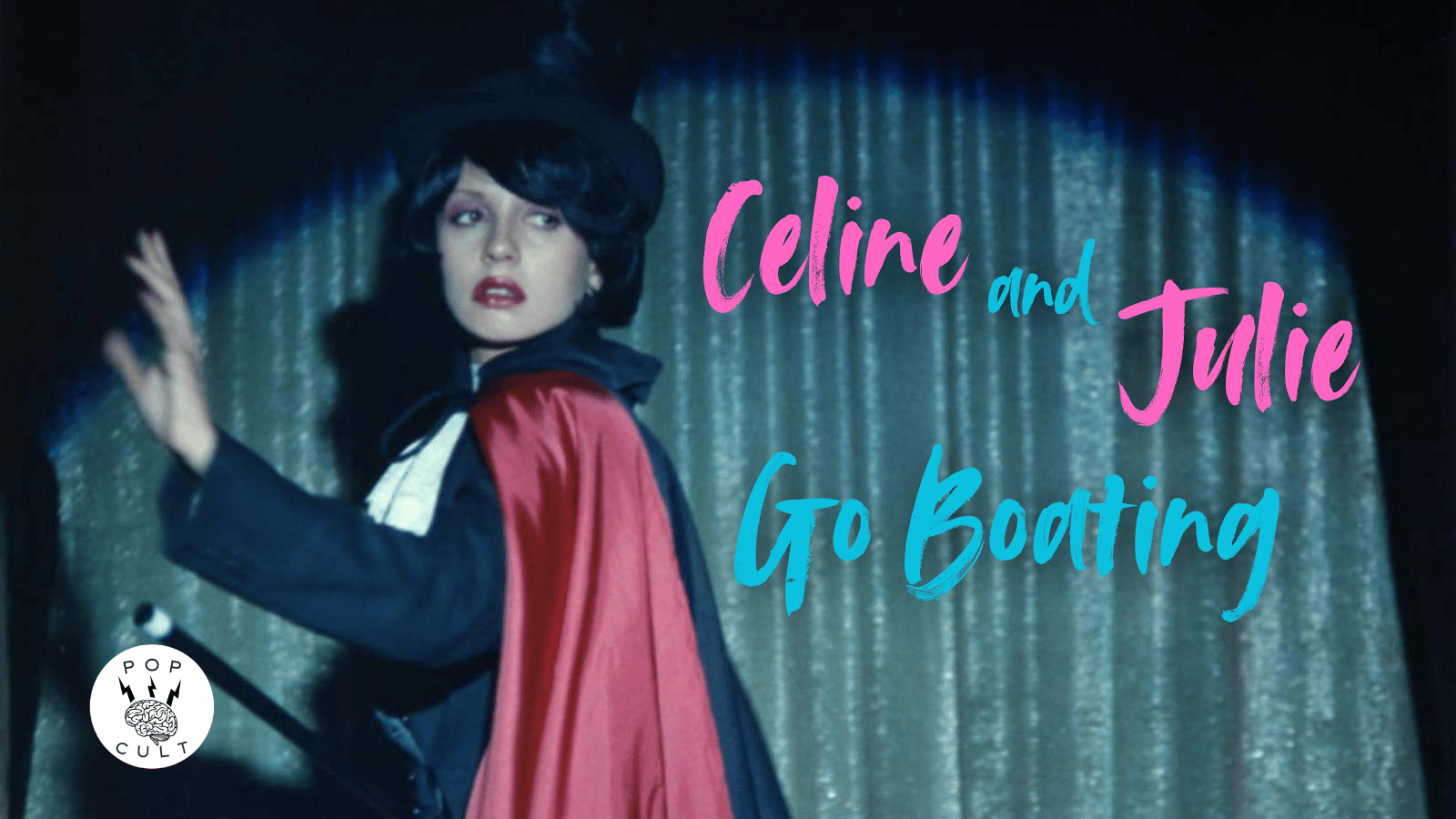
I’ve noticed certain films rising in popularity, likely due to a recent restoration release. After decades of only existing in poor copies, we now have cleaned-up versions, so the films can be appreciated how their creators intended. Celine and Julie Go Boating is one of those films I see coming across MovieTok or being discussed online. I added it to this list because I was curious about what drew people to the picture. Jacques Rivette is a filmmaker whose work I am fairly unfamiliar with, but he came up with the New Wave filmmakers as a writer/critic at La Cahiers du Cinéma. I knew very little about this film other than it was very improvisational.

Continue reading “Movie Review – Celine and Julie Go Boating”

Movie Review – Arabian Nights

Arabian Nights (1974)
Written by Dacia Maraini and Pier Paolo Pasolini
Directed by Pier Paolo Pasolini

Pier Paolo Pasolini would be dead a year after Arabian Nights’ release. It was the final film in his Trilogy of Life, preceded by The Decameron and The Canterbury Tales. Of all his work, it was the first to fully embrace queerness. Pasolini was a homosexual who existed in a strange tension with the Catholicism in which he had been raised. His work often looked to the past to comment on or understand some aspect of the future. Instead of focusing on the misery of the peasant class, Pasolini sought to display the joy experienced by those people the wealthier parts of society often dismissed. These classic stories that had shaped so many people’s imaginations were the perfect soil from which to grow that seed. 

Continue reading “Movie Review – Arabian Nights”

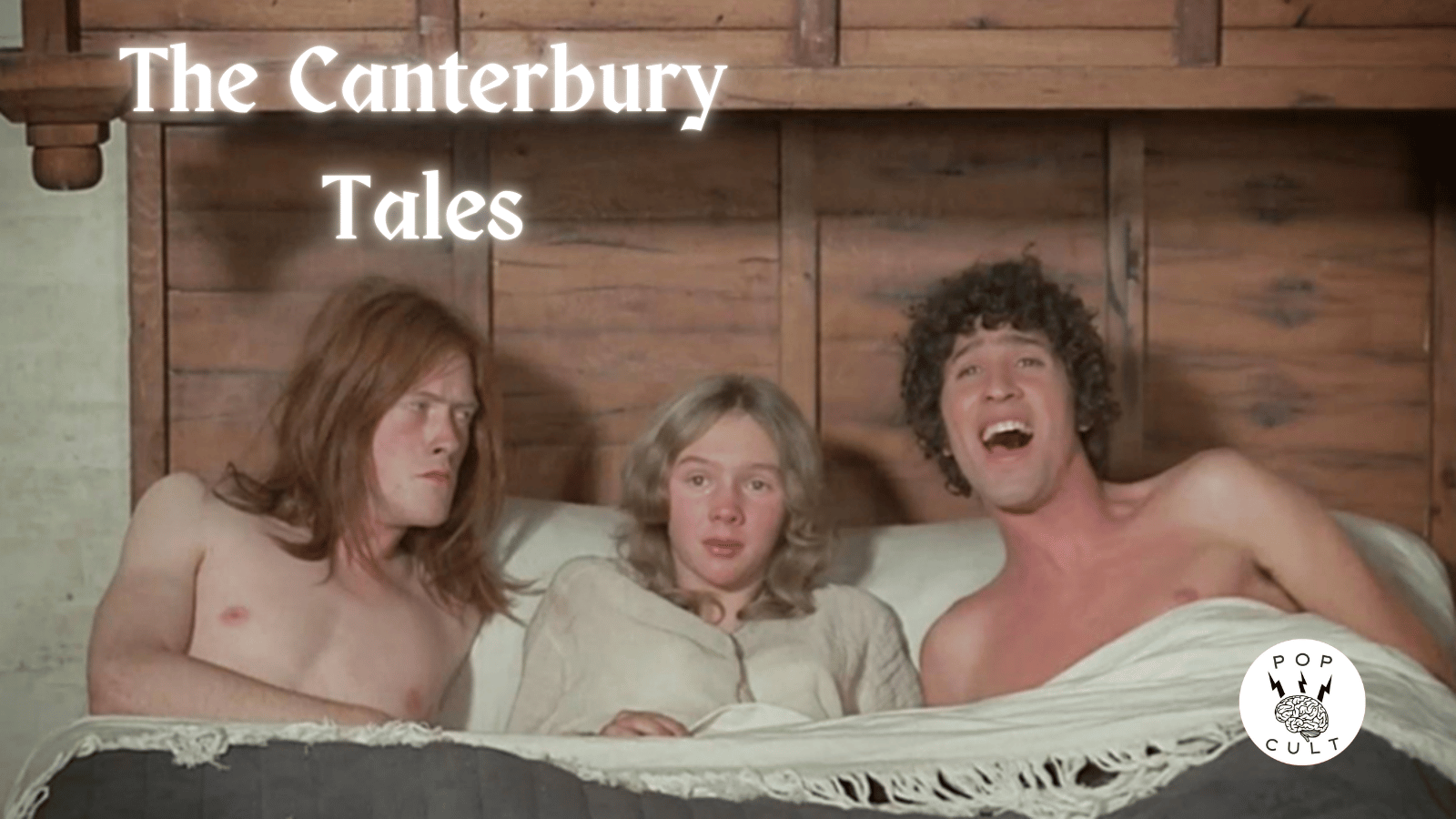
Movie Review – The Canterbury Tales

The Canterbury Tales (1972)
Written and directed by Pier Paolo Pasolini

The Canterbury Tales is a text I have some history with. As an undergrad, I was an English major after toying with a Mass Comm degree for too many semesters. One of the classes I took was Chaucer and Medieval Literature, not because I necessarily loved that era, but because it was either a requirement for the degree and/or a bunch of my friends were taking it. I don’t remember which now. The class was taught by the head of the English Department, one of the best teachers at the university, and by the end, he had me interested in it all. One of the requirements to pass was that by the end of the term, you had to stand in front of the class and recite the General Prologue (the first 18 lines) of the Canterbury Tales.

Continue reading “Movie Review – The Canterbury Tales”

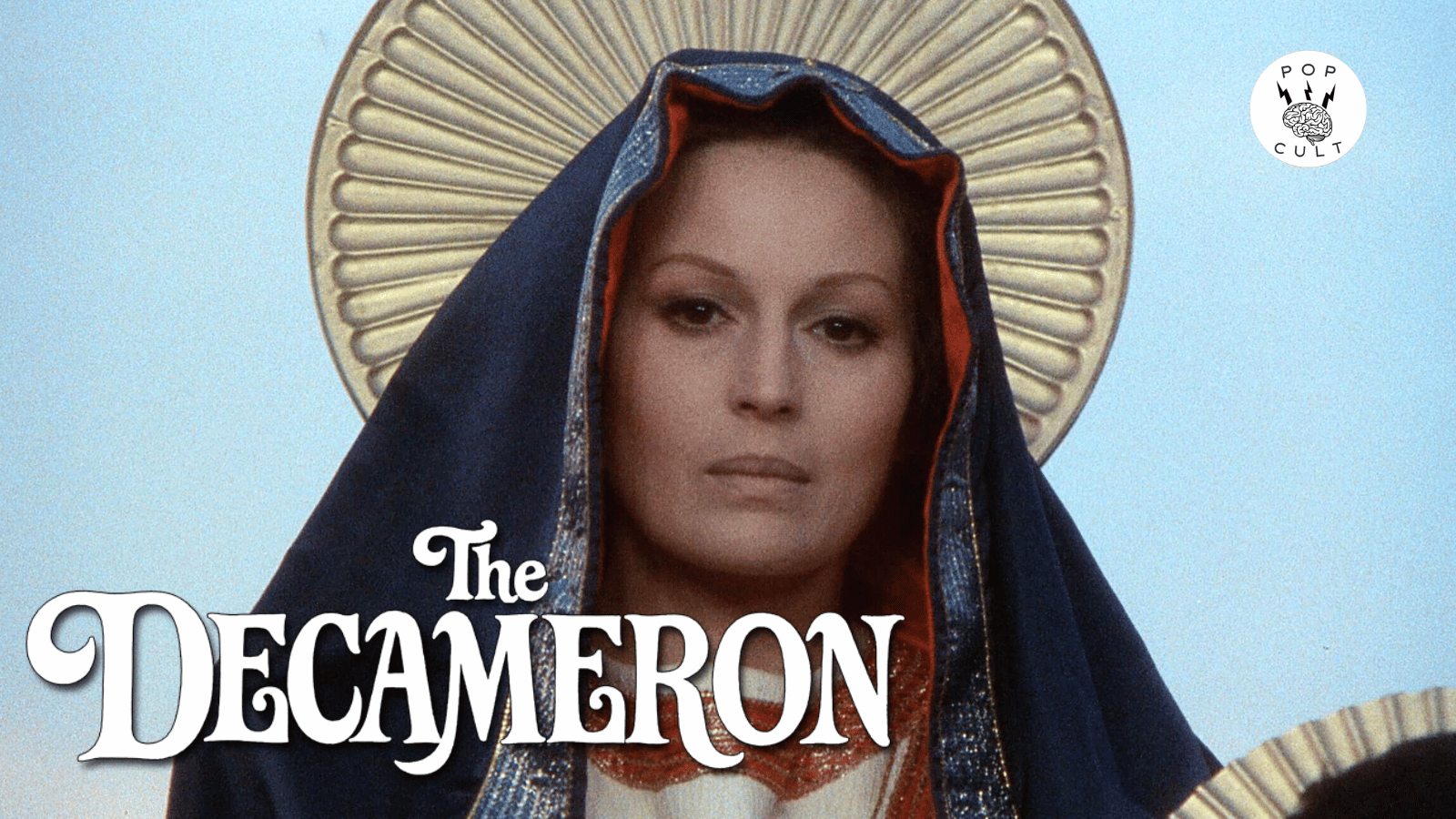
Movie Review – The Decameron

The Decameron (1971)
Written and directed by Pier Paolo Pasolini

While Pier Paolo Pasolini was fond of adapting classic pieces of literature, he wasn’t keen on making them period-accurate. Instead, he sought to use these foundational texts of Western civilization as critiques of the contemporary world. Changes to details like locales were commonplace to get his point across. This is why he transplanted Salo from revolutionary France to the era of Mussolini in Italy. The Decameron doesn’t see a shift in time; it’s still set in 14th-century Italy, but in the southern region where characters speak with a prominent Neapolitan dialect. Pasolini saw this as a commentary on southern Italy’s exploitation at the hands of the wealthier north.

Continue reading “Movie Review – The Decameron”