Movie Review – Young Frankenstein

Young Frankenstein (1974)
Written by Gene Wilder & Mel Brooks
Directed by Mel Brooks

Comedy films aren’t really known for their cinematography. Typically they are notable for set pieces or dialogue, which does make sense. Comedy is an intricately constructed thing when done right. However, Mel Brooks and Gene Wilder didn’t just want to make another comedy. They specifically wanted to make a comedy and an authentic tribute to a film from their childhoods that they loved. The result is one of the best-looking comedies ever made with a mix of techniques found in the 1930s and what would have been more contemporary blocking from the 1970s. Young Frankenstein may be the best comedy ever because it nails the visuals and is still uproariously funny.

Continue reading “Movie Review – Young Frankenstein”
Movie Review – The Out-of-Towners

The Out-of-Towners (1970)
Written by Neil Simon
Directed by Arthur Hiller

Sometimes you watch a film that makes you feel seen. While watching The Out-of-Towners, my wife and I turned to each other about 15 minutes into the picture and laughed with full recognition. The two people on screen were way too much like ourselves, making this one of the best comedy experiences we’ve had in a long time. It takes a lot of security in oneself to admit that you have some awful, neurotic traits, but I’ve come to a point in my life where I have to be able to laugh at my flaws and do my best to improve in the ways that I can. However, it is hilarious to watch these characters, completely absurd people, in the middle of a simple yet infuriating situation that is still relatable fifty-three years later.

Continue reading “Movie Review – The Out-of-Towners”

Movie Review – Killer of Sheep

Killer of Sheep (1978)
Written & Directed by Charles Burnett

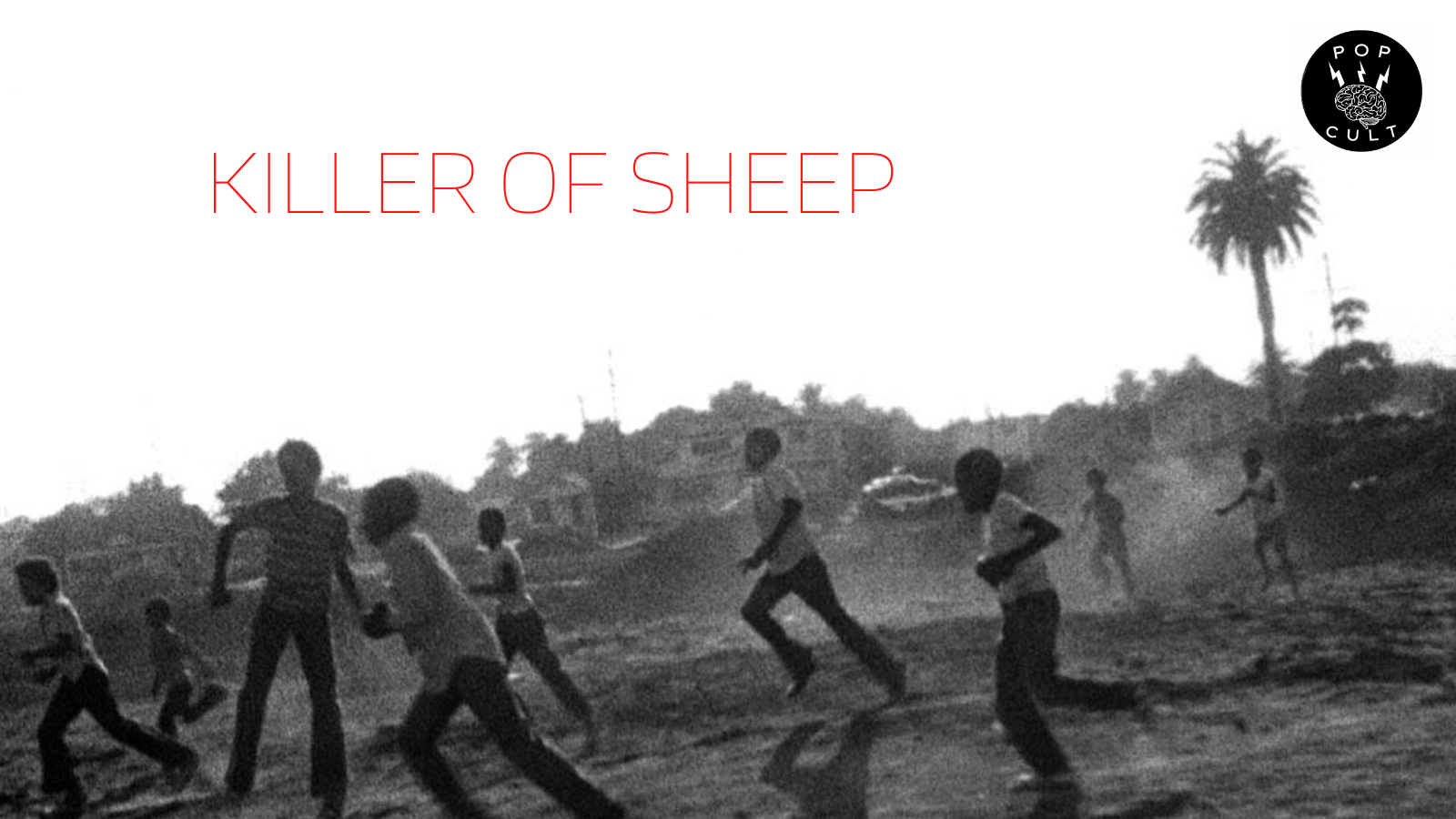
To be Black in America is to live in a constant state of contemplating whiteness. Of course, being a white person, I can’t say with any absolute sense what that feels like, but I can imagine it can be overwhelming at certain times. Eventually, you would become somewhat numb but never enough to escape the torment of it, to be constantly reminded of an artificial inferiority imposed on you by a culture of people who revel in their mediocrity. As a result, in the United States, there have been waves of Black cinema, each with its own distinct tones & styles, attempting to capture & communicate a feeling of what it felt like to be Black at that time.

Continue reading “Movie Review – Killer of Sheep”

Movie Review – Grey Gardens

Grey Gardens (1975)
Directed by David Maysles, Albert Maysles, Ellen Hovde, and Muffie Meyer

In Harlan County, USA, we were reminded of the recent history of the ongoing war between Labor and Capitalism. It’s easy to forget how close we are to profound historical movements and that these conflicts never ended; they merely changed shape. The Gilded Age, one of the most horrific periods for Labor, was not as far back as we like to think, and in The Maysles’ Grey Gardens, a woman born during that period is prominently featured. History doesn’t have a stopping point; one moment flows into the next and carries humanity forward, and with it comes many of the unacknowledged problems of those eras, mixing with the issues of contemporary periods. Cultural detritus lodges itself into the culture’s psyche and leads to horrors. The story of the Beales is a horror story like that, neglect and the decay of beautiful things.

Continue reading “Movie Review – Grey Gardens”

Movie Review – Harlan County USA

Harlan County USA (1976)
Directed by Barbara Kopple

Like sand, our memory of history in the United States slips so easily between our fingers that we have forgotten far more than we remember. In this way, film is an act of preservation, the attempt to secure moments in our past in a manner that words cannot. The story of the American worker is one that was ground down almost to nothing in the hands of the Reagan Administration and on into the Clinton Administration, Bush Jr, Obama, Trump, and now today. Many promising new unions are being formed, and it is clear younger people want to embrace that collective strength that is far more potent than the individualism that only leads to ruin & alienation. Barbara Kopple understands the importance of unions and who leads them, which brought her to Harlan County, Kentucky, in 1973.

Continue reading “Movie Review – Harlan County USA”

Movie Review – The Passenger

The Passenger (1975)
Written by Mark Peploe, Michelangelo Antonioni, and Peter Wollen
Directed by Michelangelo Antonioni

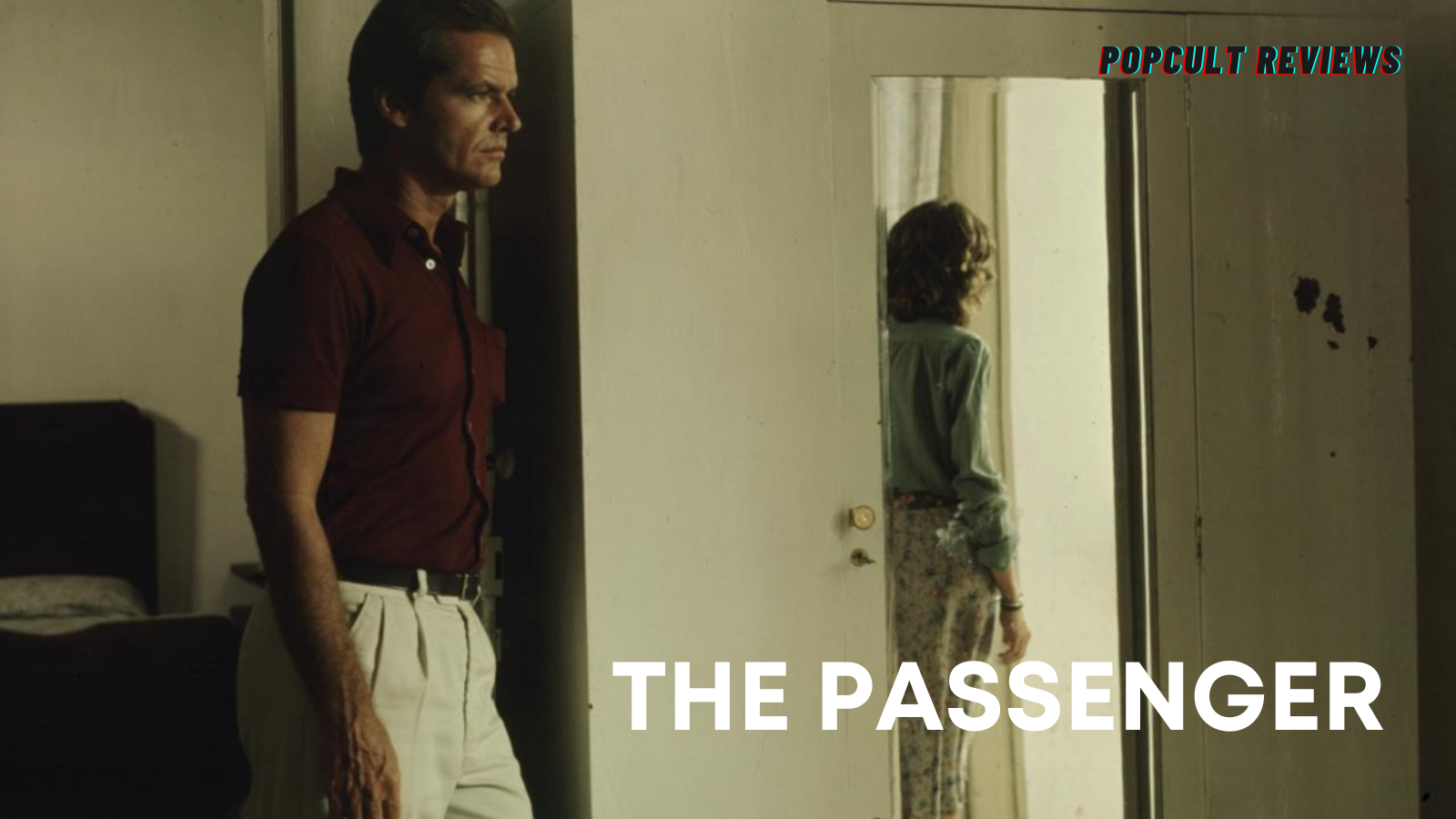
This will be our last stop with the filmmaker Michelangelo Antonioni, though he kept making films. It will have to be another time when we look at his work outside his four Monica Vitti films and his MGM trilogy, but we’re ending on an exceptionally high note. Financially this was not a success, and in the aftermath, Jack Nicholson was sold the rights after a dispute between him and MGM over another picture in development. The Passenger would sit on a shelf for three decades after its initial release, a film thought to be lost and only recaptured by going back to read the old reviews. In 2006, it finally received a DVD release and could be rediscovered by a new generation. It’s a dense picture, full of Antonioni’s common themes but lots of new settings and political ideas surfacing. The result is another enigmatic film that performs a kind of hypnosis on the viewer, a picture that is multiple things at once and deserving of considerable examination. 

Continue reading “Movie Review – The Passenger”

Movie Review – Zabriskie Point

Zabriskie Point (1970)
Written by Michelangelo Antonioni, Fred Gardner, Sam Shepard, Tonino Guerra, and Clare Peploe
Directed by Michelangelo Antonioni

Michelangelo Antonioni experienced his first commercial failure with Zabriskie Point. I never really thought of his movies as something that sought mass audience approval. His work in Italy felt extremely niche, but that could be because today, popular media is often so broad & so shallow that we aren’t used to seeing thoughtful, challenging works shown in the cineplex. The United States in 1970 was an incredibly different time than now, especially with film. Influenced by the revolution in filmmaking making happening in Europe, American directors and studios were trying to crank out fare that would appeal to the youth counterculture. Easy Rider crafted the mold, and everyone else chased it. Zabriskie Point is a movie that’s part of that shift, but it’s still Antonioni’s particular perspective on existence in the modern world and once again follows two people adrift in this strange new world.

Continue reading “Movie Review – Zabriskie Point”

Movie Review – Donkey Skin

Donkey Skin (1970)
Written & Directed by Jacques Demy

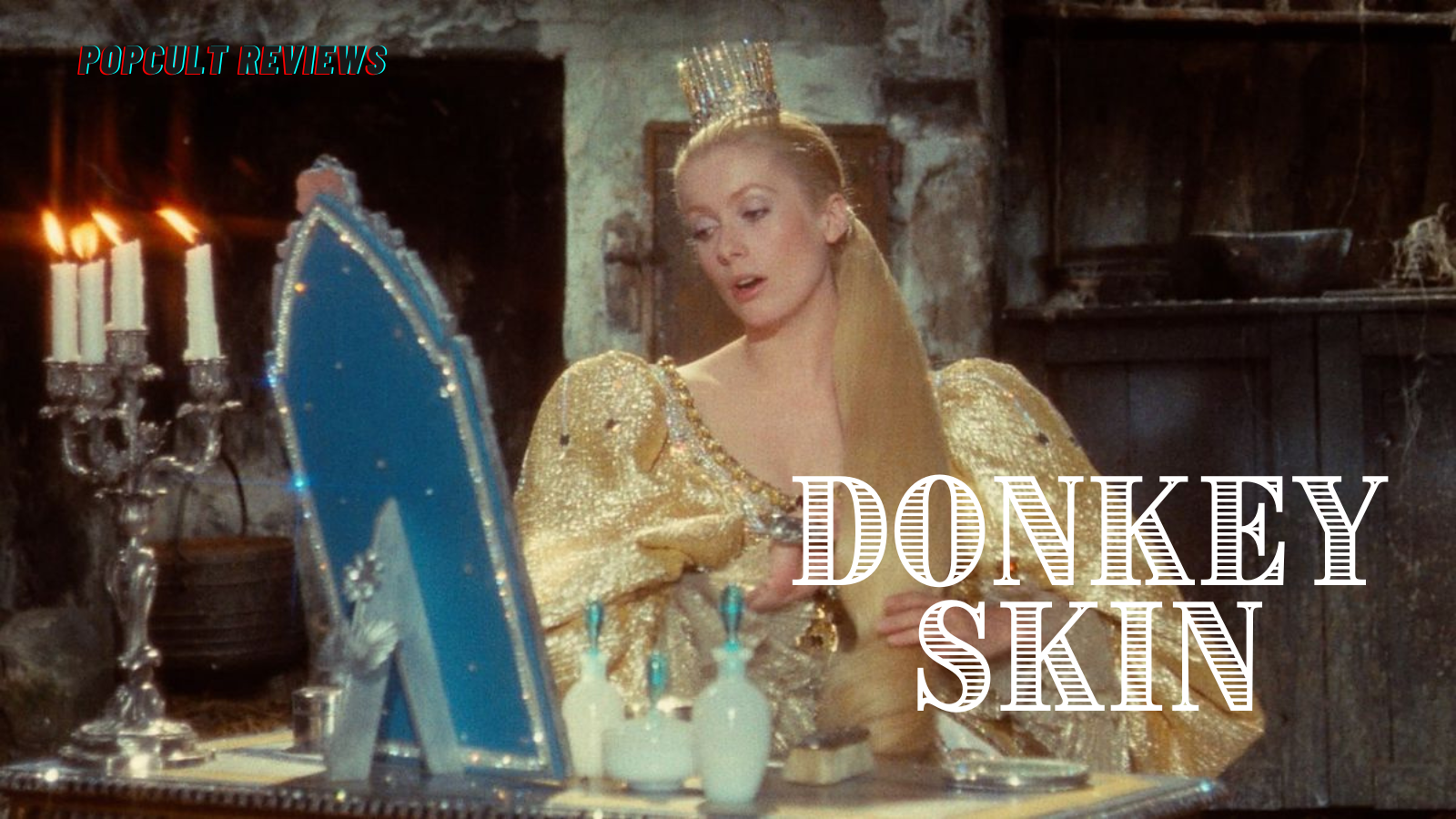
Among the masses, Charles Perrault’s name has never quite had the recognition of the Brothers Grimm. Perrault was a French author during the 17th century who is most well known for founding the literary genre of the fairy tale. His fairy tales, of course, were derived from regional folktales, including Little Red Riding Hood, Sleeping Beauty, and Cinderella. Jacques Demy grew up hearing and reading the stories Perrault had collected centuries earlier. Since the early 1960s, Demy had been trying to work out a script to adapt one of the fairy tales. There isn’t a director I can think of that would be more suited for this type of film, Demy’s commitment to style while staying true to honest storytelling is something that makes a fairy tale pop off the page.

Continue reading “Movie Review – Donkey Skin”

Patron Pick – Solaris (1972)

This is a special reward available to Patreon patrons who pledge at the $10 or $20 a month levels. Each month those patrons will pick a film for me to review. If they choose, they also get to include some of their thoughts about the movie. This Pick comes from Matt Harris.

Solaris (1972)
Written by Fridrikh Gorenstein & Andrei Tarkovsky
Directed by Andrei Tarkovsky

Science fiction is a label attributed to a pretty diverse genre of fiction. In recent years, the move to rebrand it as “speculative fiction” has been made but has not gotten much headway in mainstream culture. “Speculative” is a much better way to describe this genre’s full breadth. In Western cinema, the emphasis is often on technological innovation, which makes sense given the very industrial, consumptive capitalist mindset. Things will set us free; items we can purchase and/or upgrade are the path to salvation. Look at how, amid a global climate collapse, we are offered ludicrous technological solutions like dimming the sun artificially rather than simply developing systems that will help us consume fewer fossil fuels. Soviet filmmaker Andrei Tarkovsky also saw this in Western science fiction and sought to make cinema that captured the metaphysical and philosophical strains, asking big questions about existence and reality.

Continue reading “Patron Pick – Solaris (1972)”

Movie Review – Blue Collar

Blue Collar (1978)
Written by Paul Schrader & Leonard Schrader
Directed by Paul Schrader

The American automotive industry was once a significant piece of the national mythos. It was born out of the personal legend-making of Henry Ford and kept growing from there. The conflict between the companies and the unions dragged on for decades, a constant tension between workers & management that came to its fatal end with the election of Ronald Reagan, a nail in the coffin of American union power. This was Paul Schrader’s directorial debut, riding high off the acclaim from his screenplay for Taxi Driver. By the end of Blue Collar’s shoot, the filmmaker would have a nervous breakdown and reconsider his career choices. Fueled by a trio of actors with big egos and a strong dislike for each other, Schrader was at the center of a work that would prove chaotic on many fronts.

Continue reading “Movie Review – Blue Collar”