Movie Review – Oedipus Rex

Oedipus Rex (1967)
Written and directed by Pier Paolo Pasolini

Pasolini had a deep interest in the mythic. In his early films, the mythic could be found among the peasant class that lived on the outskirts of post-war Rome as it was rebuilt into a modernized city, complete with mass consumerism. Despite being a very modern type of person – queer, atheist, communist – Pasolini was constantly returning to the past, especially to myths & fables where symbolism provided a mystical explanation for how the world came to be what it is. After experimenting with it in a short film, this was the director’s first feature-length color movie. The result is a picture where Pasolini pushes his filmmaking to new heights but still stumbles along the way.

Continue reading “Movie Review – Oedipus Rex”

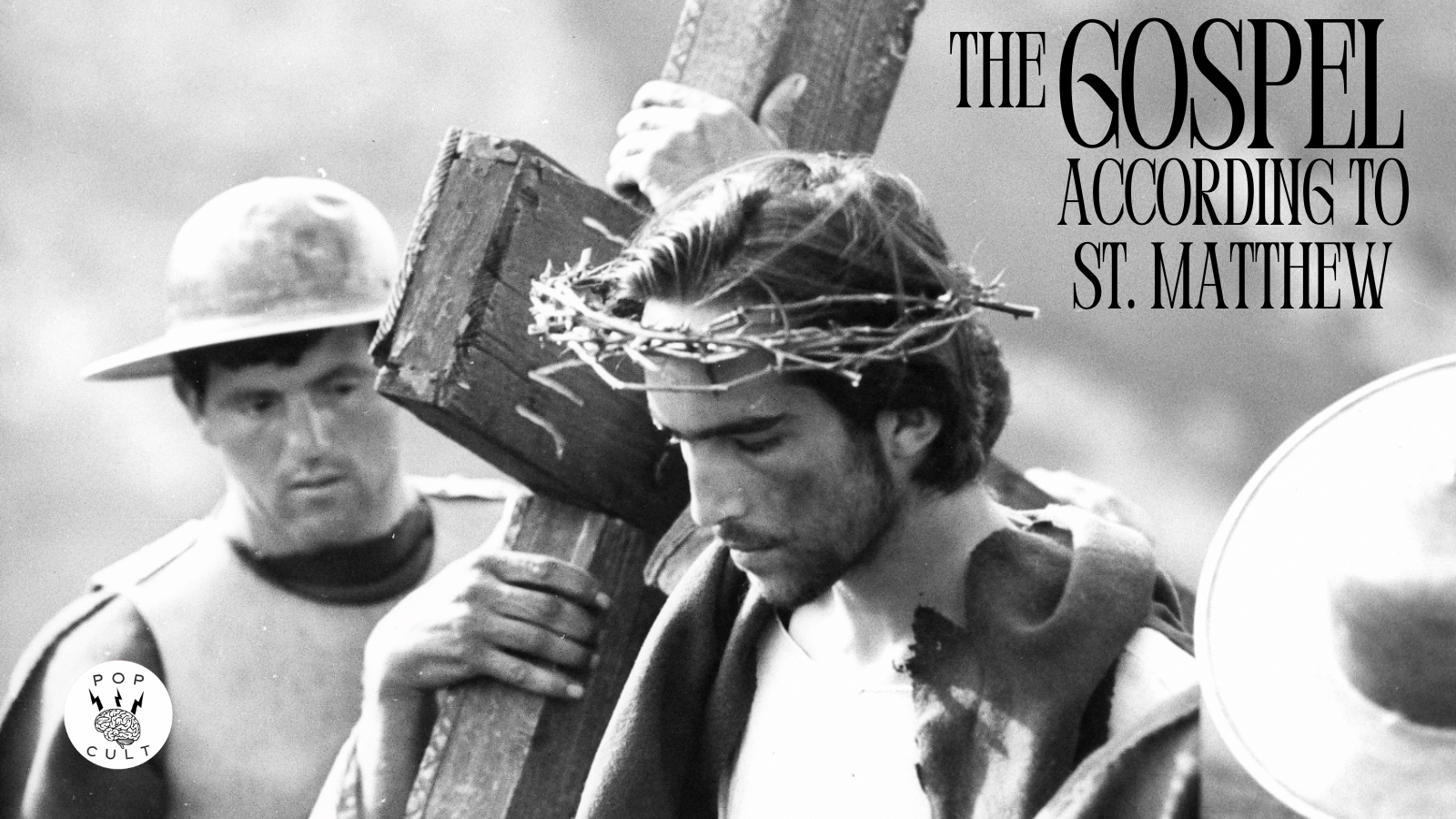
Movie Review – The Gospel According to St. Matthew

The Gospel According to St. Matthew (1964)
Written and directed by Pier Paolo Pasolini

It may seem like an incredibly odd match. A queer, atheist, communist Italian man making a film about the life of Christ. Even more bizarre, it was In an effort to find relevance in the landscape of the post-war world,  Pope John XXIII had asked for an audience with contemporary non-Catholic artists. Pasolini had been raised in the Church and accepted the invitation, knowing so much of his identity clashed with the institution. The meeting occurred in Assisi, and the subsequent traffic jam caused by the Pope’s presence in town left the filmmaker stuck in his hotel longer than he had expected. Pasolini claims he paged through a Bible in the hotel room, reading through each of the Gospels and settling on Matthew as the perfect one for the film he had in mind. His opinion was that the three other Gospels embellished or lacked a clear perspective on Christ; Matthew’s gospel was the most human. 

Continue reading “Movie Review – The Gospel According to St. Matthew”

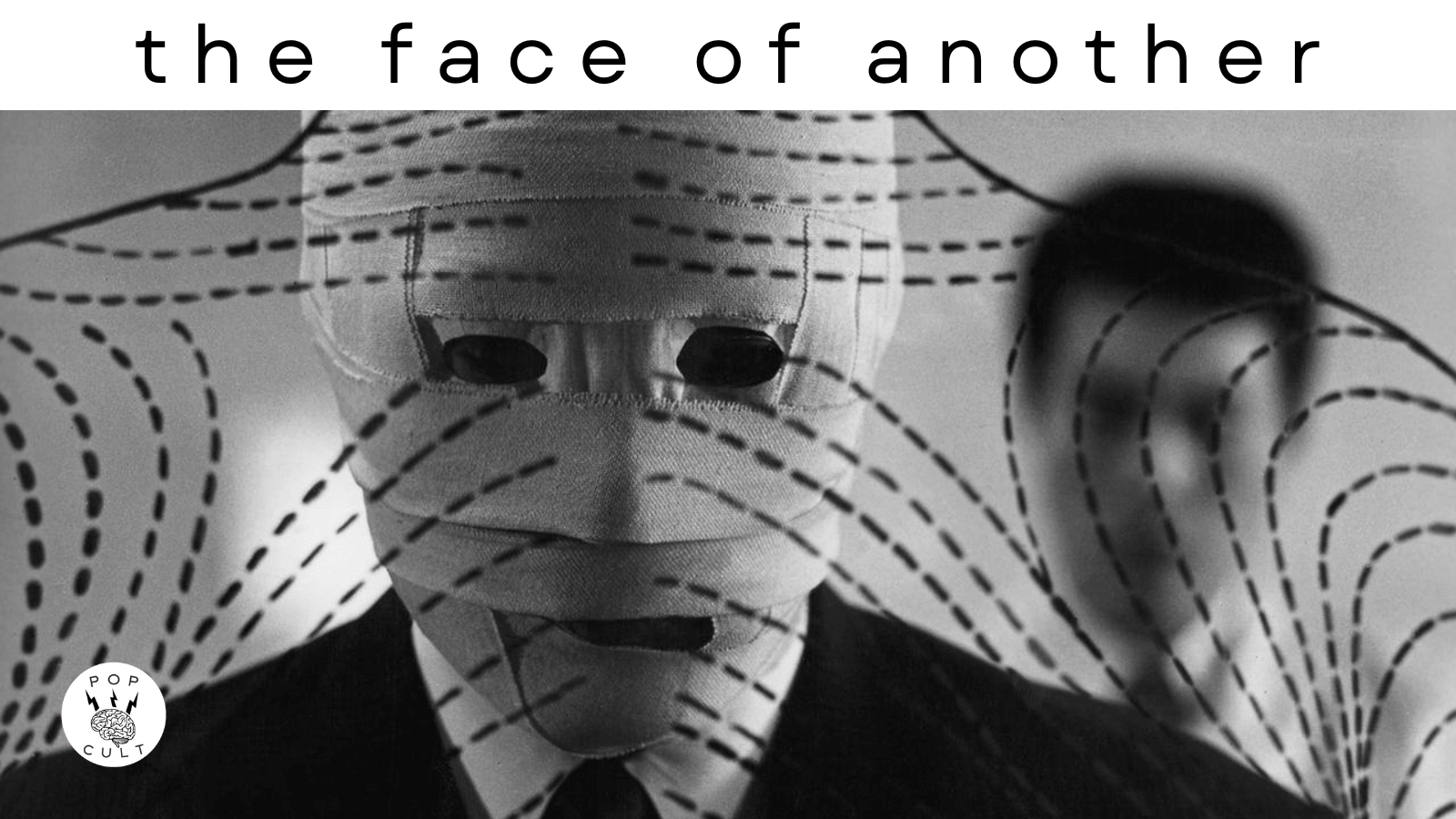
Movie Review – The Face of Another

The Face of Another (1966)
Written by Kōbō Abe
Directed by Hiroshi Teshigahara

Hiroshi Teshigahara found his cinematic muse in the writing of Kōbō Abe. He directed an adaptation of Abe’s novel Woman in the Dunes two years prior. He returned to the author’s work for his next film, The Face of Another. Teshigahara’s relationship with filmmaking was very tempestuous, though, making a film in 1972 and abandoning the medium for nearly a decade. He pursued other interests like calligraphy, ceramics, and ikebana (the art of flower arranging, of which his father was seen as the master). While he returned to film, Teshigahara never recaptured the height of this period when he and the work were perfect. Western critics dismissed his work at the time of release, but a new appreciation has grown in the following decades. 

Continue reading “Movie Review – The Face of Another”

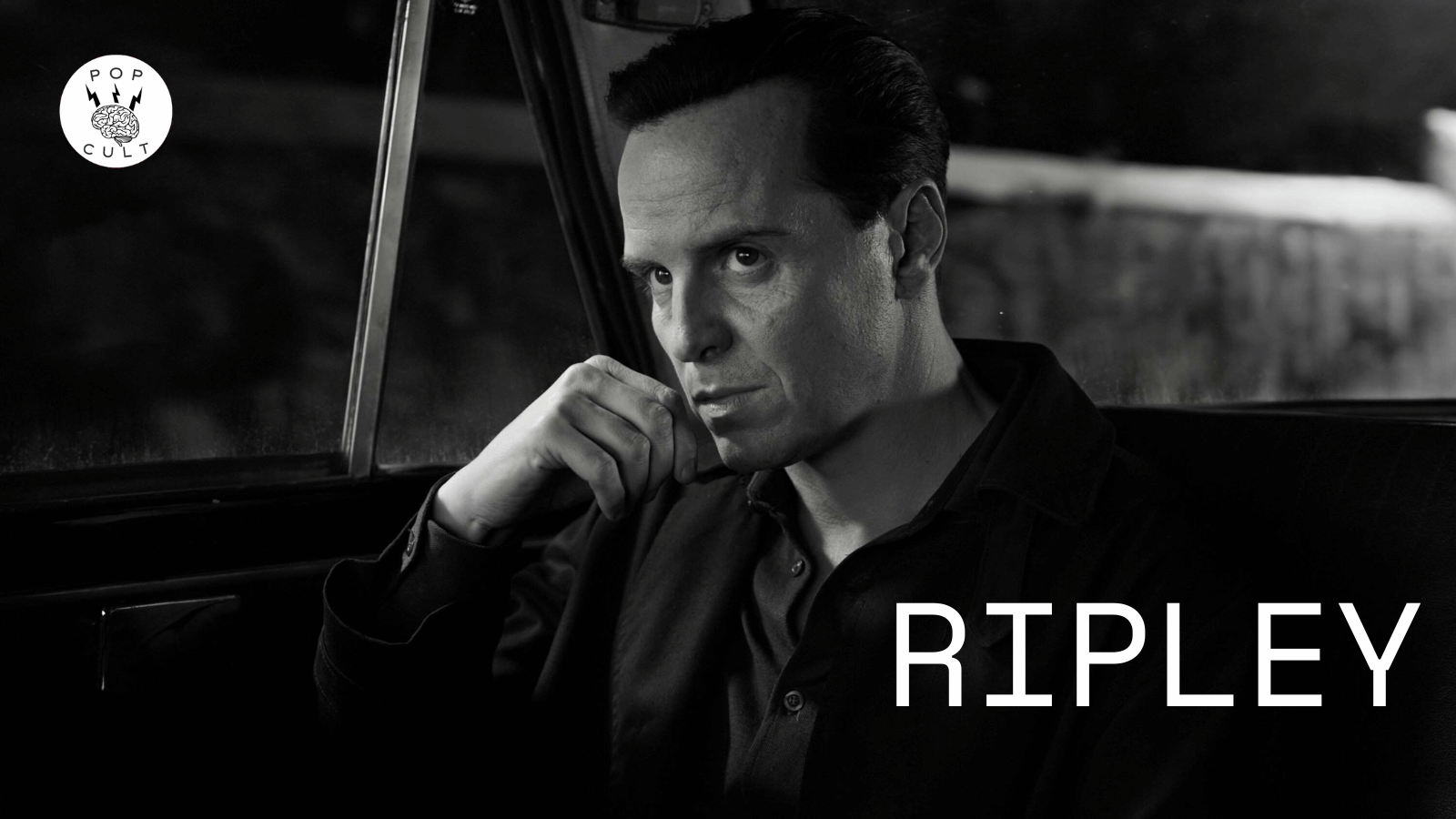
TV Review – Ripley

Ripley (2024)
Written and directed by Steven Zaillian

There are few protagonists in modern literature as challenging as Tom Ripley. He’s a captivating figure because he’s pretty pathetic yet so cunning. In many ways, Ripley is the shadow underdog, a guy who, by all evidence, should lose, yet he manages to commit multiple murders and steal millions while evading capture. Despite coming from a poor/working-class background, Ripley has evolved refined tastes mainly because he believes he deserves to live the best life possible. Other people are inconveniences most of the time, hindrances to him enjoying the luxury offered to the wealthiest among us. If ever there was a character to highlight the negative aspects of sociopathy, an actual condition that isn’t as one-dimensional as much media would like you to think. Ripley can’t seem to care about anyone other than himself; it troubles him, but it is not enough to stop his pursuit of comfort.

Continue reading “TV Review – Ripley”

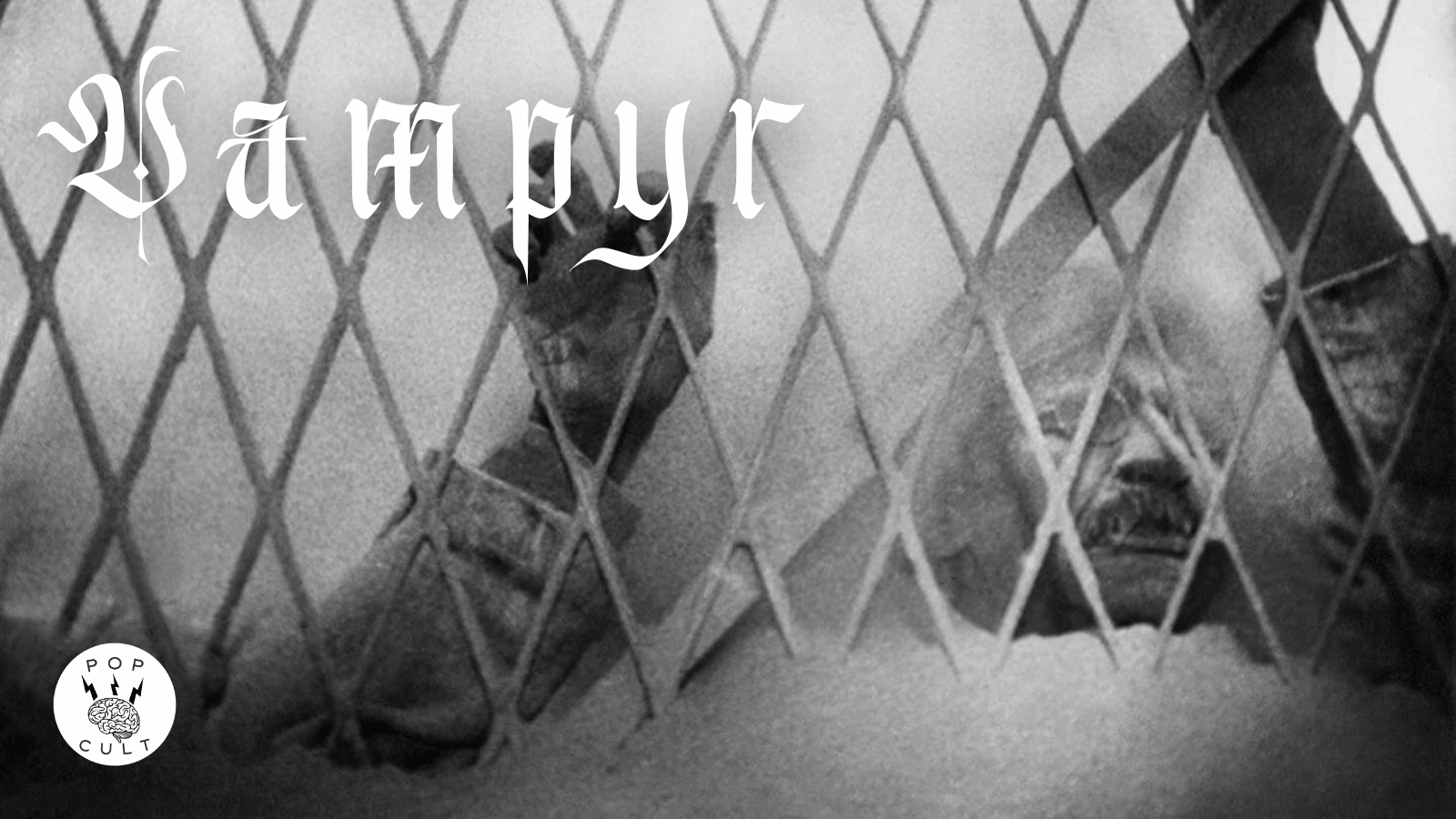
Movie Review – Vampyr

Vampyr (1932)
Written by Christen Jul and Carl Theodor Dreyer
Directed by Carl Theodor Dreyer

Vampyr is a strange, troubled movie. It was Danish filmmaker Carl Theodor Dryer’s follow-up to The Passion of Joan of Arc, one of the great silent masterpieces. Vampyr came about at a time of transition in films. Dreyer conceived of the film, based on a collection of ghost stories, as a silent picture. That DNA is still very present in the sparse spoken dialogue and the film’s emphasis on movement and camerawork. The end result is a mixed bag. There’s not enough story here to say it’s a compelling horror narrative. It feels more like an interesting mood piece that evokes the spooky tone of Halloween and creepy old houses.

Continue reading “Movie Review – Vampyr”

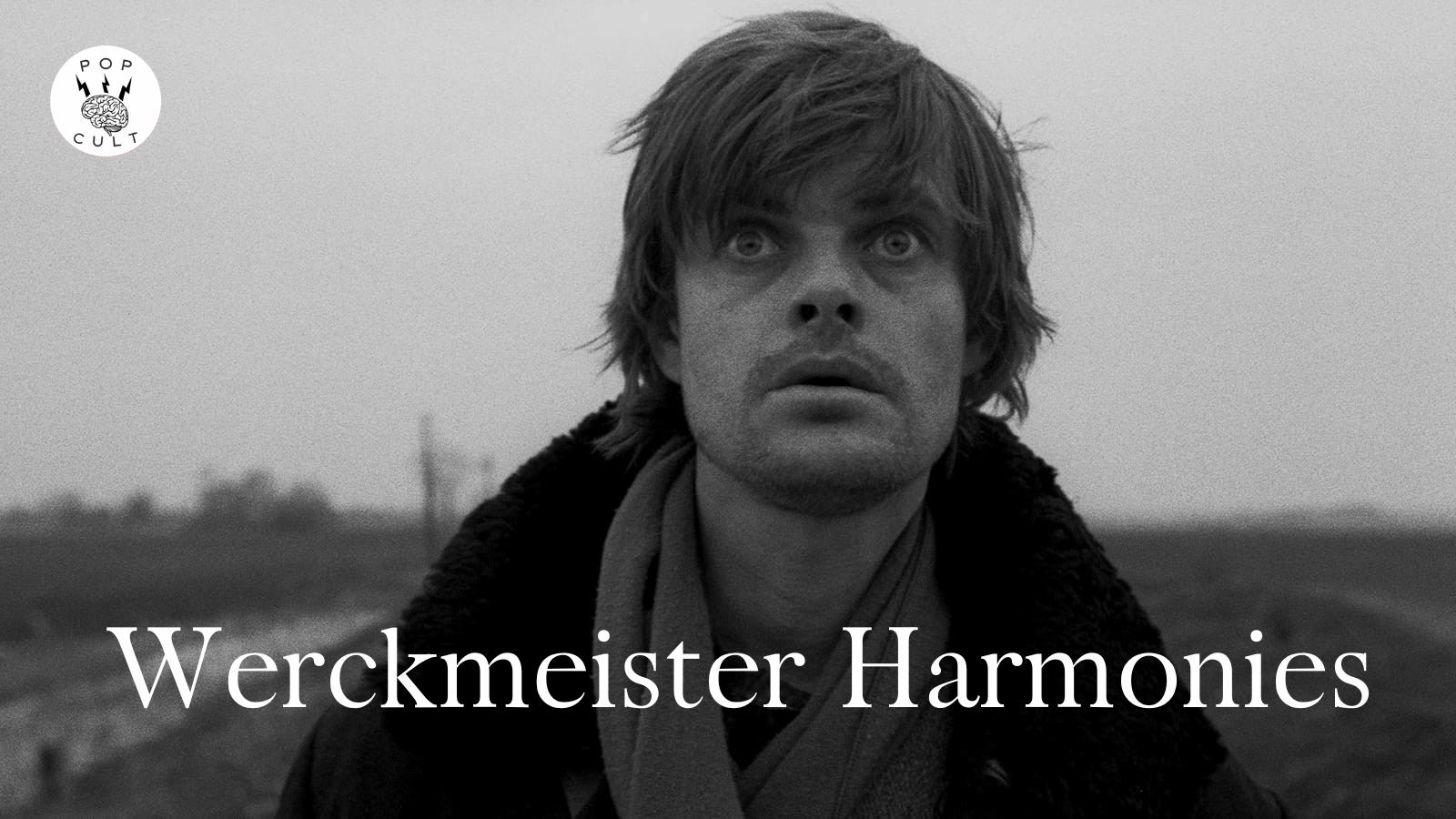
Movie Review – Werckmeister Harmonies

Werckmeister Harmonies (2000)
Written by László Krasznahorkai and Béla Tarr
Directed by Béla Tarr and Ágnes Hranitzky

Janos, a philosophical young man in a small isolated European town, arranges the patrons of a tavern one night in a simulation of the Sun, the Moon, and the Earth. He uses this to tell a story about a total eclipse of the Sun. When the orbiting bodies achieve this conjunction, he tells a brief fable:

The sky darkens, and then all goes dark. The dogs howl, rabbits hunch down, the deer run in panic, run, stampede in fright. And in this awful incomprehensible dusk, even the birds, the birds are too confused and go to roost. And then… Complete silence. Everything that lives is still. Are the hills going to march off? Will heaven fall upon us? Will the Earth open under us? We don’t know. For a total eclipse has come upon us…. But… No need to fear it is not over. For across the Sun’s glooming sphere, slowly, the Moon swims away… And the Sun once again bursts forth, and to the Earth there slowly comes again light, and warmth again floods the Earth. Deep emotion pierces everyone. They have escaped the weight of darkness.

With that, he walks out of the tavern, and the rest of the film unfolds as a realization of this story.

Continue reading “Movie Review – Werckmeister Harmonies”

Movie Review – Sátántangó

Sátántangó (1994)
Written by Béla Tarr and László Krasznahorkai
Directed by Béla Tarr

Seven hours and thirty minutes. That’s what will stand out for most people when they learn about Sátántangó. That is certainly something that makes it unlike most films. A runtime that long feels overwhelming, and that’s the reason Béla Tarr made this movie. Based on the novel of the same name, the film’s structure is a piece of wonder modeled after the actual tango dance. Broken into twelve parts, the story does not move chronologically and follows the steps of the tango – six steps forward, six steps back. It’s a daunting cinematic challenge, but I found it a very fulfilling experience and felt things I never had before about films.

Continue reading “Movie Review – Sátántangó”

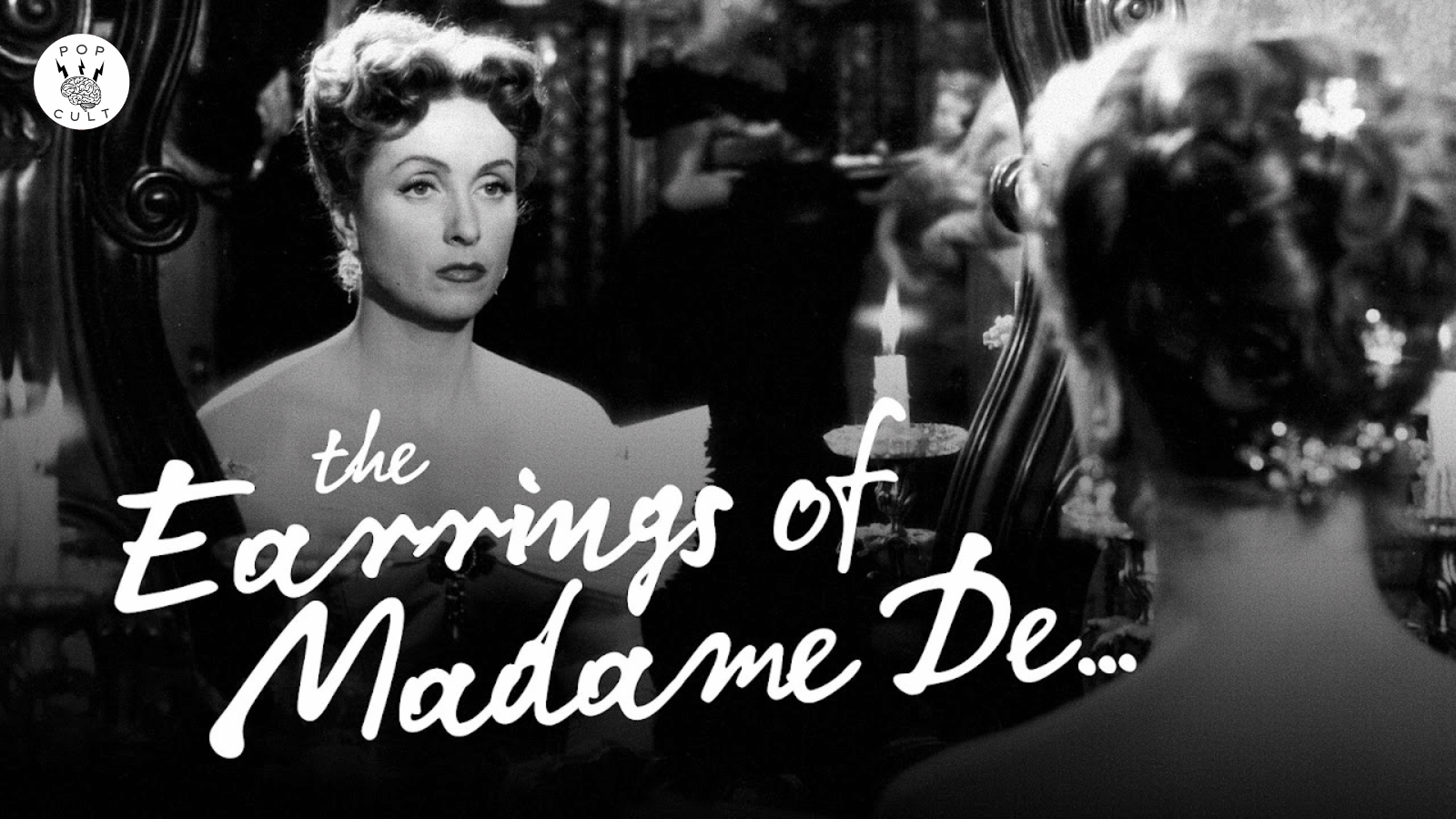
Movie Review – The Earrings of Madame De…

The Earrings of Madame De… (1953)
Written by Max Ophüls, Annette Wademant, and Marcel Achard
Directed by Max Ophüls

As with so many artists in Europe during the 1930s, Max Ophüls could see the rise of the Nazis and fled to France following the Reichstag Fire. He would continue his odyssey across the continent, attempting to stay ahead of the Nazis, making films along the way before reaching Portugal and heading to the United States. Ophüls would settle down in Hollywood for a few years, where he continued making movies, and once the war was over, he returned to Europe in 1950. It’s this period he’s become most known for, when he made his most acclaimed feature film, The Earrings of Madame De…

Continue reading “Movie Review – The Earrings of Madame De…”

TV Review – Shogun Season One

Shogun Season One (2024)
Written by Rachel Kondo, Justin Marks, Shannon Goss, Nigel Williams, Emily Yoshida, Matt Lambert, Maegan Houang, and Caillin Puente
Directed by Jonathan van Tulleken, Charlotte Brändström, Frederick E.O. Toye, Hiromi Kamata, Takeshi Fukunaga, and Emmanuel Osei-Kuffour

I must confess that of all the Japanese media, the stories surrounding this historical period typically leave me cold. I can acknowledge that there is tremendous quality here, but the philosophy of life is so dramatically alien to me that I have difficulty connecting to it. Unlike the protagonist here, I do not feel the intense etiquette systems. It comes across to me as oppressive and suffocating. But then, I wouldn’t be surprised if a Japanese person who finds this perspective normal looked at how I lived my life and felt that I was in a sort of prison, too. All societies are, to an extent, prisons; they have rules relatively rigid to outsiders. And that’s kind of what this show is exploring.

Continue reading “TV Review – Shogun Season One”

Movie Review – The NeverEnding Story

The NeverEnding Story (1984)
Written by Wolfgang Petersen and Herman Weigel
Directed by Wolfgang Petersen

This movie is a formative piece of many of my peers’ childhoods. I think I saw it twice as a kid. I remembered parts of it vividly, but The NeverEnding Story was never a picture I sought out or felt a strong connection with. That is odd because I was also a child who spent much time alone and read many books. You would think much of the story would resonate, but it did not. I think revisiting the movie as an adult made me appreciate it more, though I could see the weak points more vividly now, too.

Continue reading “Movie Review – The NeverEnding Story”