Movie Review – Romeo + Juliet

William Shakespeare’s Romeo + Juliet (1996)
Written by William Shakespeare & Craig Pearce and Baz Luhrmann
Directed by Baz Luhrmann 

Romeo + Juliet exists as the confluence of two things. The first was the Shakespeare boom of the 1990s when films based on or inspired by his work had a moment in popular culture. At the same time, Australian director Baz Luhrmann received heaps of praise for his directorial debut, Strictly Ballroom. Luhrman’s approach to the text was that he saw Shakespeare as a writer for the masses, and thus, if the Bard made a contemporary feature film, it would be bold & loud. Luhrmann reasoned the popular entertainment of the day were things like bear-baiting and prostitution; Shakespeare would have played things in a way that kept the crowds happy.

Continue reading “Movie Review – Romeo + Juliet”
Podcast Mini-Series Preview: Love at First Laugh Episode 1 – His Girl Friday

Ariana and Seth kick off their six episode podcast mini-series exploring romantic comedies. This first episode sees them sharing their thoughts on the genre (what they love, what they loathe) and talking about the classic Howard Hawks comedy His Girl Friday starring Rosalind Russell and Cary Grant. All upcoming episodes will be available exclusively to our Patreon subscribers.

Continue reading “Podcast Mini-Series Preview: Love at First Laugh Episode 1 – His Girl Friday”

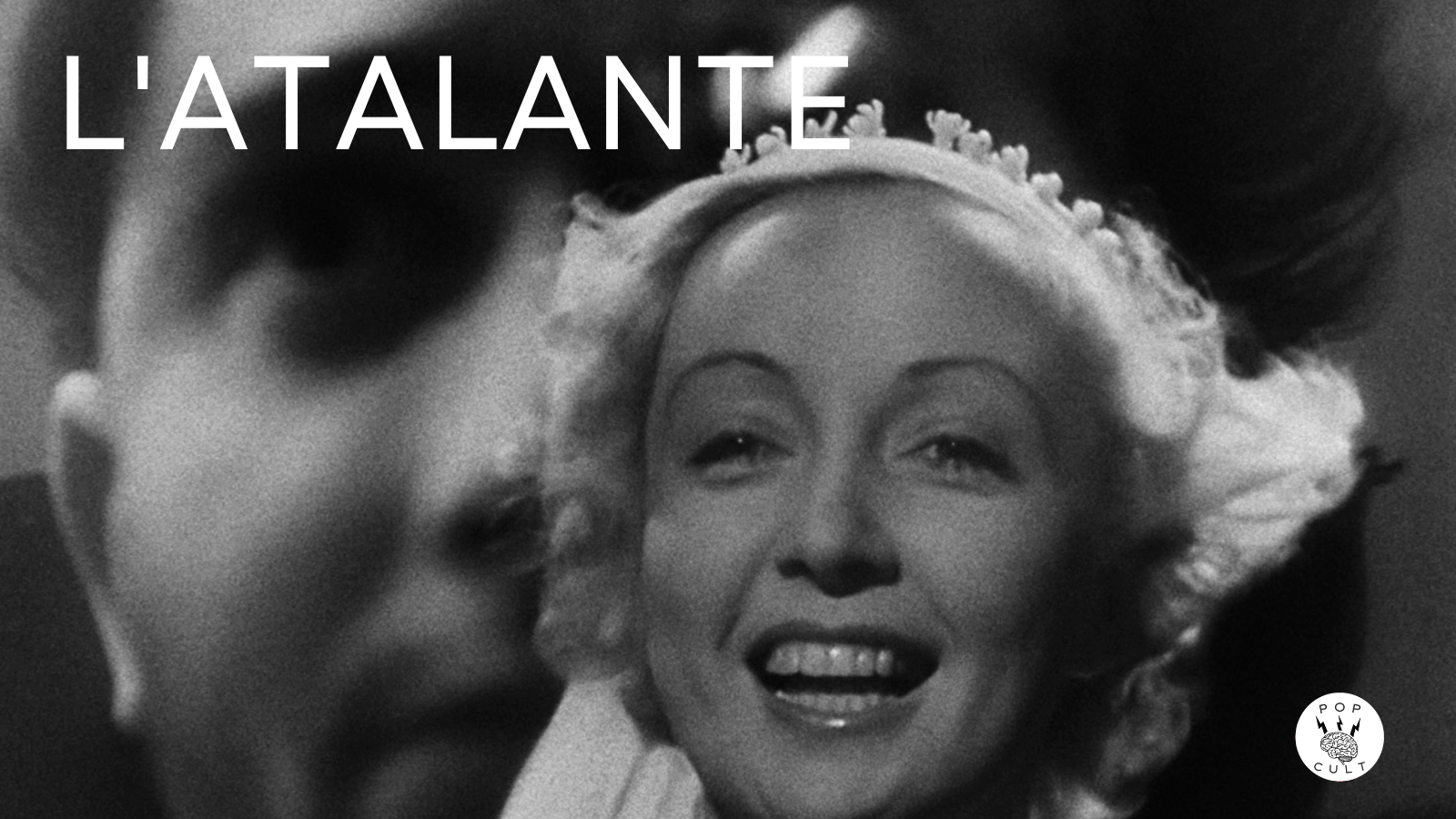
Movie Review – L’Atalante

L’Atalante (1934)
Written by Jean Vigo and Albert Riéra
Directed by Jean Vigo

Jean Vigo was born to parents on the run. His father was a militant anarchist, and so much of his early life involved hiding from authorities with his parents. When Vigo was 12 years old, his father was murdered in prison, but the officials tried to pass it off as a suicide. Vigo would spend his teenage years in a boarding school under an assumed name for his protection. He got married at 26, had a daughter, and died at 29 from tuberculosis, which he’d had for eight years. As a filmmaker, he’s seen as establishing poetic realism in cinema and would inspire many of the French New Wave directors nearly thirty years after his death. Despite not living for that long, Vigo’s work exudes life and a rich understanding of the human experience.

Continue reading “Movie Review – L’Atalante”

Movie Review – The Cook, The Thief, His Wife, and Her Lover

The Cook, The Thief, His Wife, and Her Lover (1989)
Written and directed by Peter Greenaway

From its abrasive opening moments, you know you are in for a unique experience. English gangster Albert Spica (Michael Gambon) has his lackeys toss someone who has failed him out onto the streets as stray dogs wander over. The scene is flanked by a truck full of fresh seafood on one side and a truck of meat on the other. Spica proceeds to begin what will be an endless monologue, yammering in his Cockney dialect as if he is enchanted by hearing his own voice. He says nothing of import. He proceeds to strip & batter the poor man on the ground and then smear dog shit over his body, leaving him there to rot. Spica and his entourage move on to the restaurant he’s purchased, where the criminal believes he can hold court.

Continue reading “Movie Review – The Cook, The Thief, His Wife, and Her Lover”

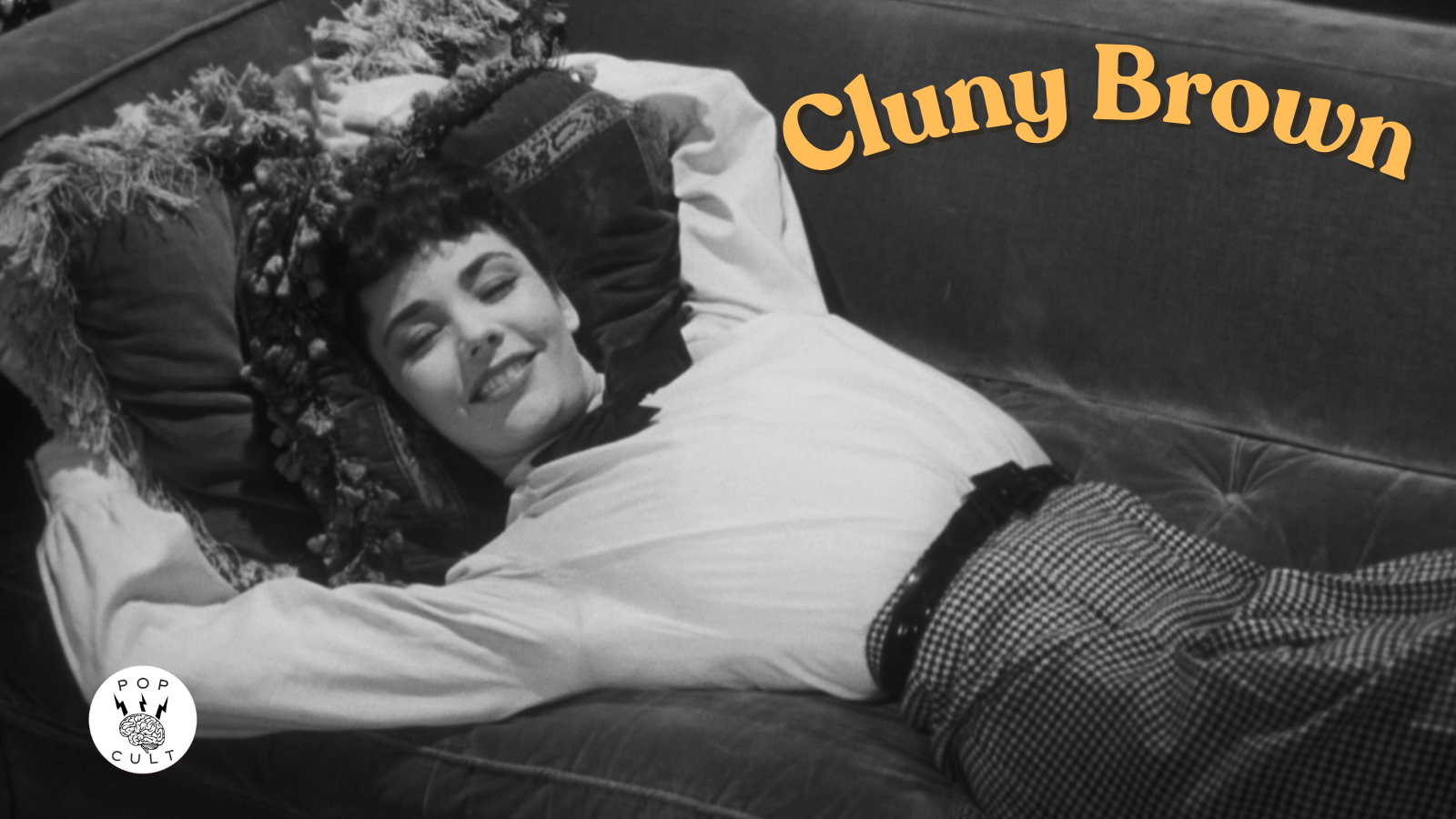
Movie Review – Cluny Brown

Cluny Brown (1946)
Written by Samuel Hoffenstein and Elizabeth Reinhardt
Directed by Ernst Lubitsch

During the Hays Code era, Lubitsch had his ups and downs. I think The Shop Around the Corner and To Be Or Not To Be are certainly highlights. I can’t say I was quite as fond of Ninotchka or Heaven Can Wait, though. His final completed film before his sudden death from a heart attack in 1947 was this rather underrated gem. I hadn’t seen Cluny Brown come up in any conversations about his work and I would argue it’s a reminder of how forward thinking the director could be given the right script. What we have is a movie that pushes back on gender norms as well as cynicism that seems to have taken root in a pretty awful way in contemporary media.

Continue reading “Movie Review – Cluny Brown”

Movie Review – Angel

Angel (1937)
Written by Samson Raphaelson and Frederick Lonsdale
Directed by Ernst Lubitsch

Alfred Hitchcock was one of the directors who acknowledged Ernst Lubitsch’s influence on them. These filmmakers made very different types of movies, but sophistication was a common thread. They shied away from exploitation and tried to make pictures that challenged the audience’s intellect – one doing it comedically and the other through suspense. I think Angel is the most Hitchcockian Lubitsch film I’ve seen. While watching it, I was reminded of Vertigo. At the heart of this movie is a woman pretending to be someone else while keeping her private life hidden away. There is a man who pursues her out of curiosity. It’s not exactly like that classic Hitchcock film, but shares some structural threads.

Continue reading “Movie Review – Angel”

Movie Review – Design for Living

Design for Living (1933)
Written by Noel Coward & Ben Hecht
Directed by Ernst Lubitsch

With Ernst Lubitsch’s penchant for directing films based on stage plays, it made sense that Noel Coward’s work would eventually cross his desk. Coward was a gay man living in a time where being out was a perilous move, so he was never publicly open about his sexuality. However, when you see him acting or in an interview, it becomes pretty apparent he is not straight. Because Coward was both queer and an artist, the people who regularly crossed his path also lived outside society’s rigid norms. Alfred Lunt and Lynn Fontanne were two acting friends of Coward’s with whom he became very close. He promised that one day he would write a play about them, and when they were famous, they would star in it. This play would be about an unconventional relationship between three people and would eventually be adapted into this Hollywood feature film.

Continue reading “Movie Review – Design for Living”

Movie Review – Trouble in Paradise

Trouble in Paradise (1932)
Written by Samson Raphaelson, Grover Jones, and Ernst Lubitsch
Directed by Ernst Lubitsch

Ernst Lubitsch turned his back on his father’s tailoring business to go into movies. Lubitsch was a German-born Ashkenazi Jew. By age 19, he was a member of a prestigious German theater, and two years later, he made his screen debut. After appearing in 30 films between 1912 and 1920, Lubitsch realized his passion was not in performing but as a writer and director. He garnered international acclaim with his German films. Of his three films released in 1921, all three ended up on The New York Times’ top movies list. By the end of 1921, Lubitsch was sailing to the United States, where he would begin a prolific career that would serve to influence other filmmakers, from Alfred Hitchcock to Billy Wilder to Martin Scorsese and more. The thing that makes Lubitsch’s work stand out from his contemporaries is maturity, particularly an acceptance that human beings have and enjoy sex.

Continue reading “Movie Review – Trouble in Paradise”

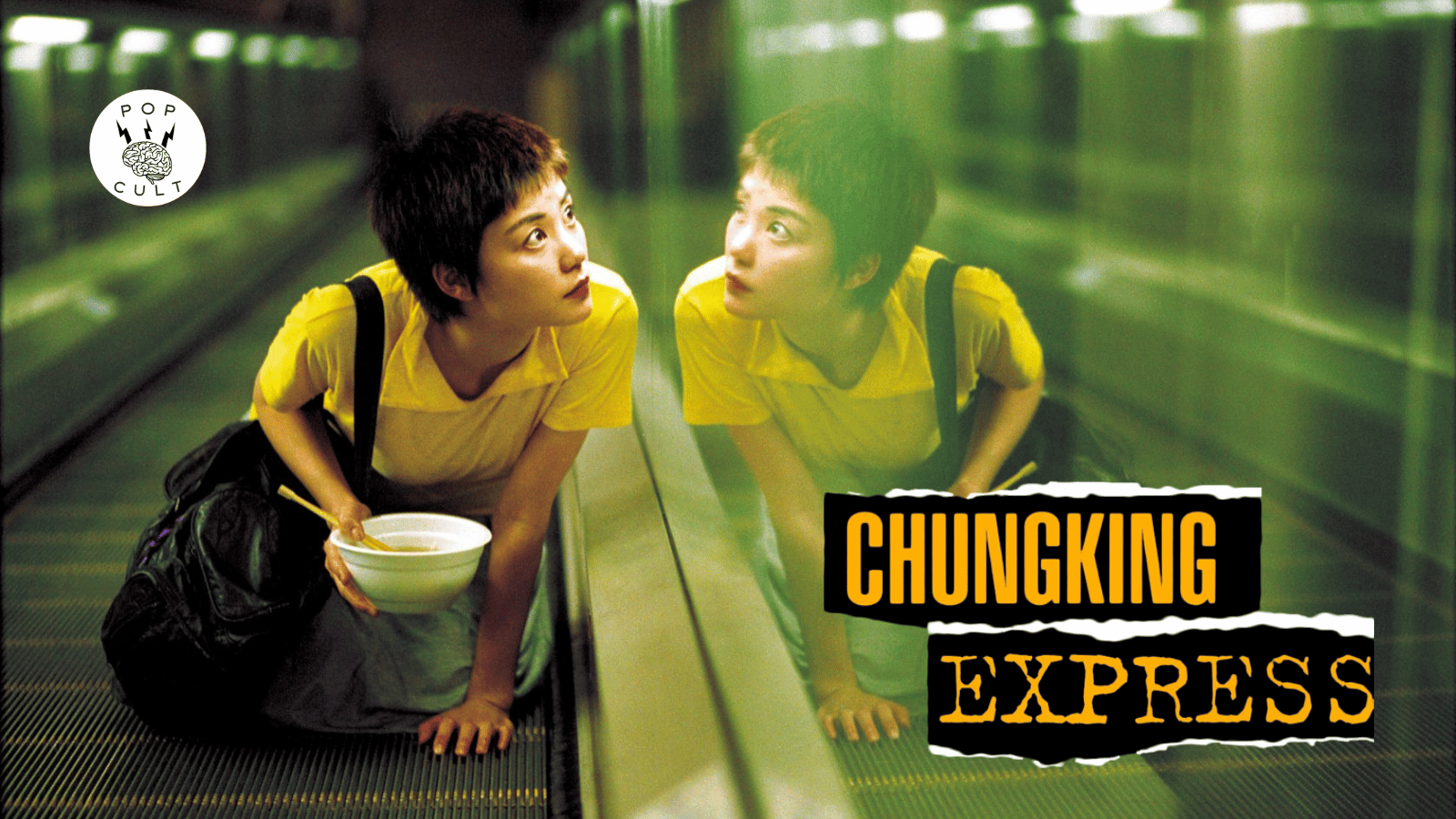
Movie Review – Chungking Express

Chungking Express (1994)
Written and directed by Wong Kar-wai

The Chungking Mansions is a building located in Kowloon, Hong Kong. It was intended as a residential building but ended up being partitioned into many independent low-budget hotels, shops, and other services. There’s a mix of selling directly to the public and wholesalers from these businesses. Because it has become so unlike its original intent, the Chungking Mansions are often compared to the now-demolished Kowloon Walled City. Wong Kar-wai grew up in the Mansions, and their densely packed environment shaped his sensibilities as a filmmaker. So many people in such a small space meant many stories, relationships, and conflicts.

Continue reading “Movie Review – Chungking Express”