
Blade Runner 2049
Written by Hampton Fancher and Michael Green
Directed by Denis Villeneuve

In the wake of the first film’s events, the Tyrell line of replicants have been discarded, and a new company run by Niander Wallace has rolled out a “better” model of replicant, one that is more compliant to their human superiors. A Blade Runner named K is one of these and regularly dispatches the older models who have managed to hide on the fringes of society. That is until one case reveals one of the most significant discoveries in humanity’s history, an event that could change the very fabric of society if it got out. K is told to make sure this secret never gets out and goes on a journey to search out the story behind the mystery. This leads him beyond Los Angeles and across the scarred futuristic landscape, ultimately to a truth about himself.




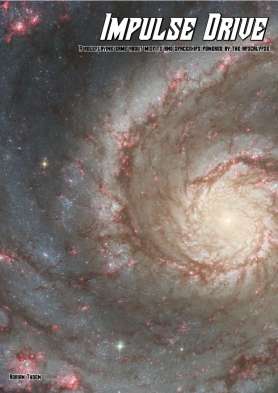 The game space Powered by the Apocalypse occupies has become fairly bloated in the last five years. With any mechanic that becomes popular, there is a high chance of the output becoming diluted with less than stellar content. One genre that designers have made multiple attempts at using the PbtA framework with has been space opera/science fiction action. It’s this type of game that designer Adrian Thoen has sought to leave his mark on with the ever evolving Impulse Drive. Thoen credits Firefly, Mass Effect, and Farscape among his influences and they can be felt in every aspect of the game.

 PopCult Reviews