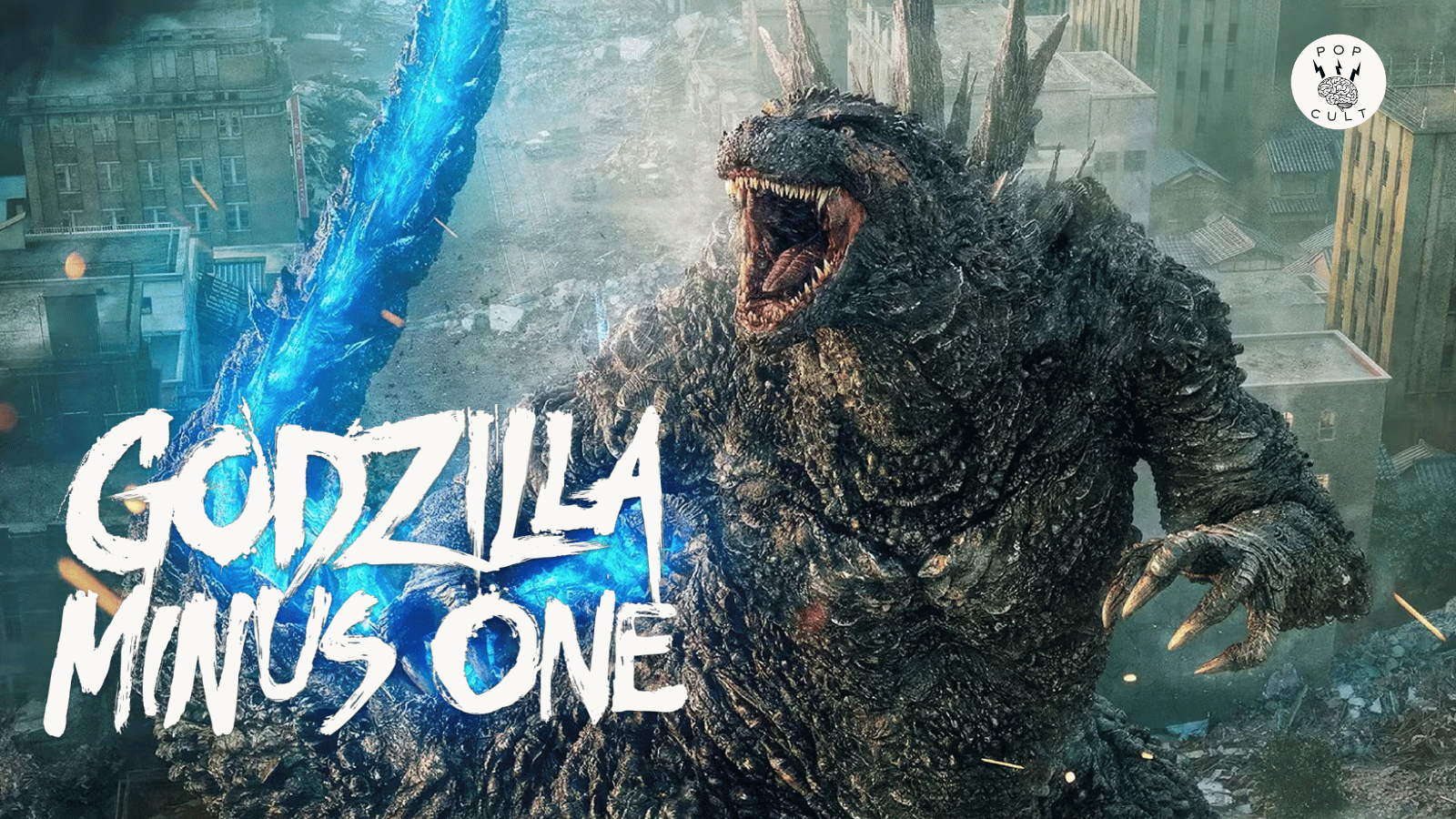
Movie Review – Godzilla Minus One

Godzilla Minus One (2023)
Written and directed by Takashi Yamazaki

There is a scene just before the big third-act finale where Godzilla Minus One lays out its core thesis through the words of Kenji, a former Naval weapons officer trying to end the monster’s reign of terror on Japan. He states: “Come to think of it, this country has treated life far too cheaply. Poorly armored tanks. Poor supply chains resulting in half of all deaths from starvation and disease. Fighter planes built without ejection seats, and finally, kamikaze and suicide attacks. That’s why this time I’d take pride in a citizen led effort that sacrifices no lives at all! This next battle is not one waged to the death, but a battle to live for the future.” And that’s the theme of this film, to live in the face of what seems like hopeless obliteration.

Continue reading “Movie Review – Godzilla Minus One”

Movie Review – Oppenheimer

Oppenheimer (2023)
Written and directed by Christopher Nolan

Western culture is obsessed with singular individuals. Any brief survey of historical events reveals that while there may be people in positions of leadership or authority, they rarely act alone. The Nazis were not simply Hitler. Many of them passed through the war untarnished and even got cushy jobs working for the United States government, like Werner Von Braun. A general depends upon an army. The U.S. government is not just the President. Oppenheimer was placed in a leadership position at Los Alamos, but the construction and deployment of the atomic bomb cannot be placed at his feet alone. That also doesn’t excuse his involvement, either.

Continue reading “Movie Review – Oppenheimer”

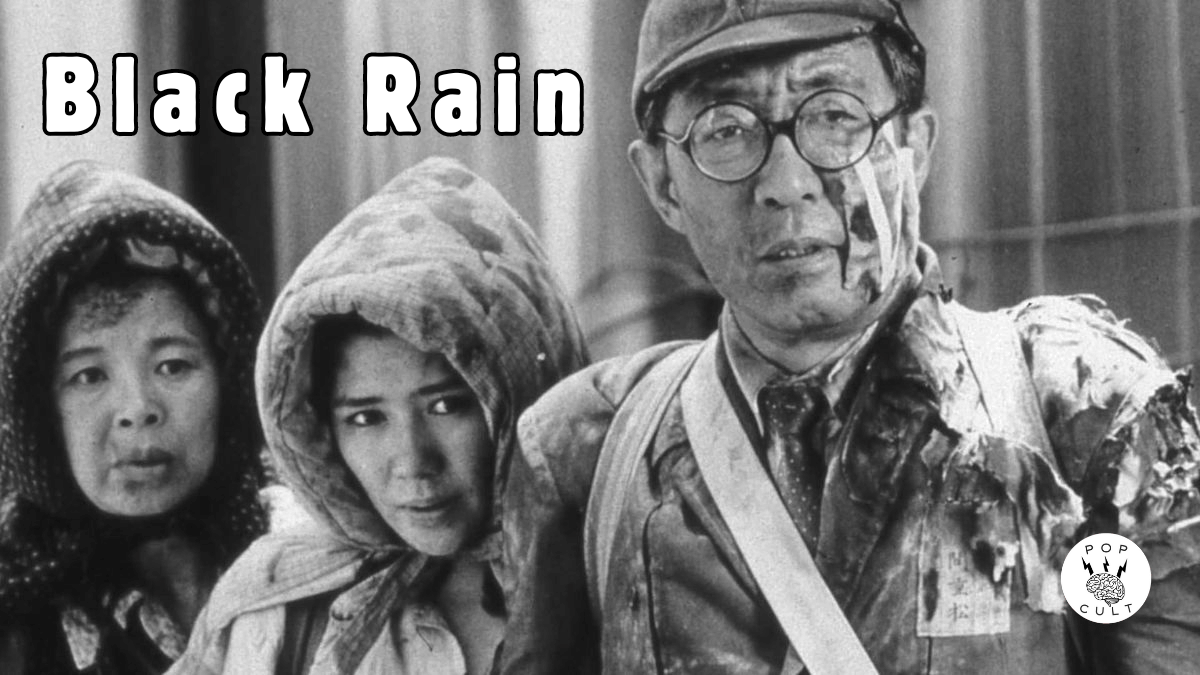
Movie Review – Black Rain

Black Rain (1989)
Written by Shōhei Imamura and Toshirō Ishido
Directed by Shōhei Imamura

In a bizarre coincidence, two movies titled Black Rain were released in 1989. They both take place in Japan. They opened in theaters one week apart. The other Black Rain we won’t be reviewing is a Michael Douglas-led action picture about the Yakuza directed by Ridley Scott. No one involved in the writing of that film was Japanese. But they both derive their title from the same phenomenon: the black rain that fell after the atomic bombings of Hiroshima and Nagasaki. This substance was nuclear fallout falling like rain from the massive pyrocumulus cloud left in the bomb’s wake. The U.S. picture uses the black rain as a plot point and doesn’t really provide context or give adequate respect to the victims. As is typical in escapist Western cinema, it’s exploitation from top to bottom. Not so with the Japanese film.

Continue reading “Movie Review – Black Rain”

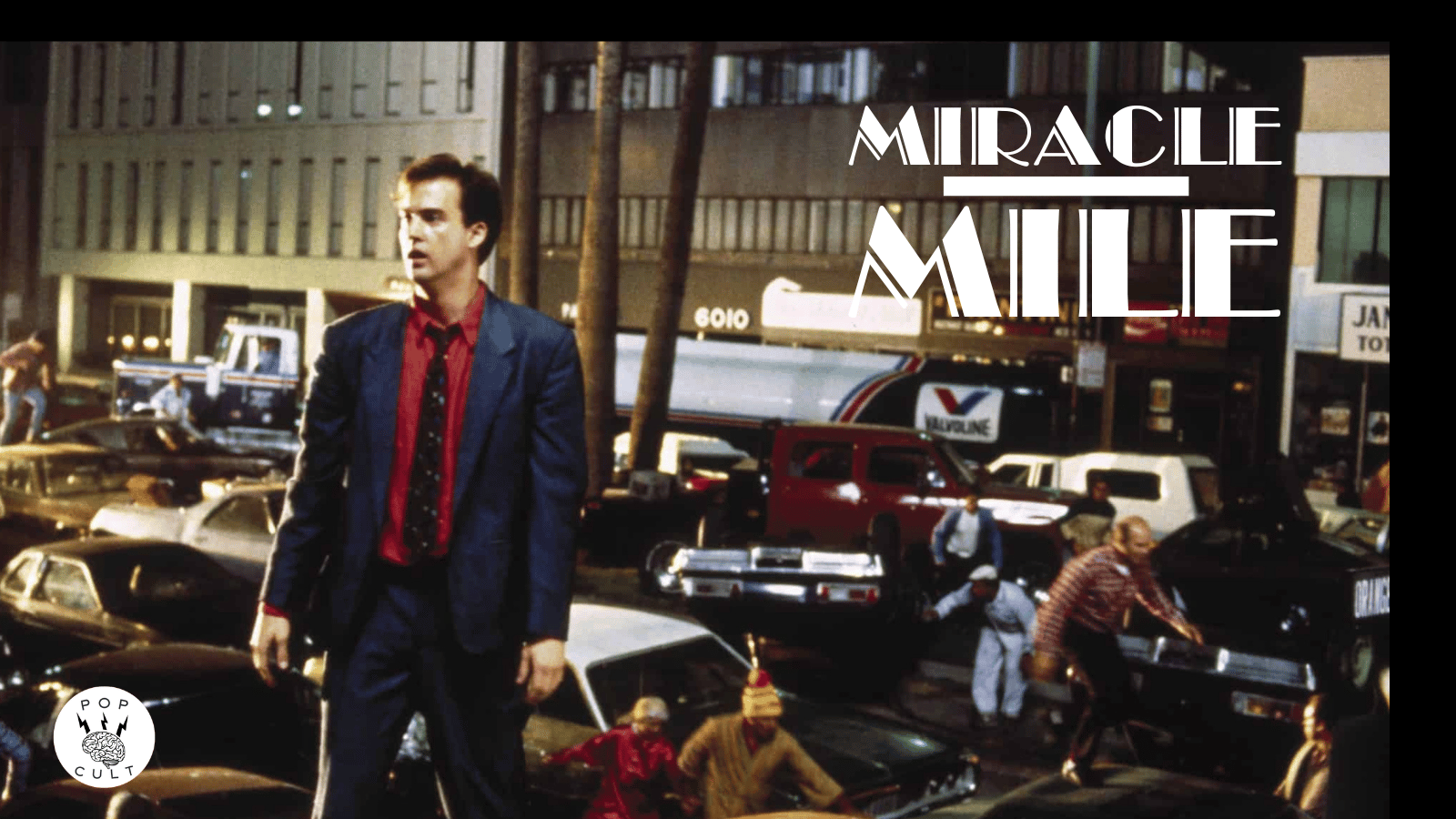
Movie Review – Miracle Mile

Miracle Mile (1988)
Written and directed by Steve De Jarnatt

Part of the curse the United States put upon itself by developing and then dropping two atomic bombs on civilian populations in Japan is that they had set a new precedent. In places like Dresden, they employed similar tactics with less, but still devastating weapons. Pre-industrial war had always affected civilian populations, but this was something new. The atomic bomb wasn’t just a tool of destruction; it was mass annihilation. It was genocide contained in a small package. Once you use something like that on another society, the U.S. would inevitably live in paranoia that it would be done to them. They forgot the part that few societies on Earth are as profoundly sociopathic as ours.

Continue reading “Movie Review – Miracle Mile”

Movie Review – Grave of the Fireflies

Grave of the Fireflies (1988)
Written and directed by Isao Takahata

Not all the horrors in Japan were the result of the two atomic bombings. What gets less coverage in U.S. history books are the ongoing firebombings of civilian areas. The same B-29s that would eventually drop the horrid nuclear weapon would also drop standard bombs and burn neighborhoods to the ground, creating orphans and widows. What made this so much worse was the fascist stance of the society. There was some community, but certainly not the level needed for people to recover. Whereas now we can see those who still survive in Gaza keep hope alive by caring for one another, these sentiments were not nearly as widespread in imperial Japan. Some people even found it within themselves to walk by dying children and not think to help them.

Continue reading “Movie Review – Grave of the Fireflies”

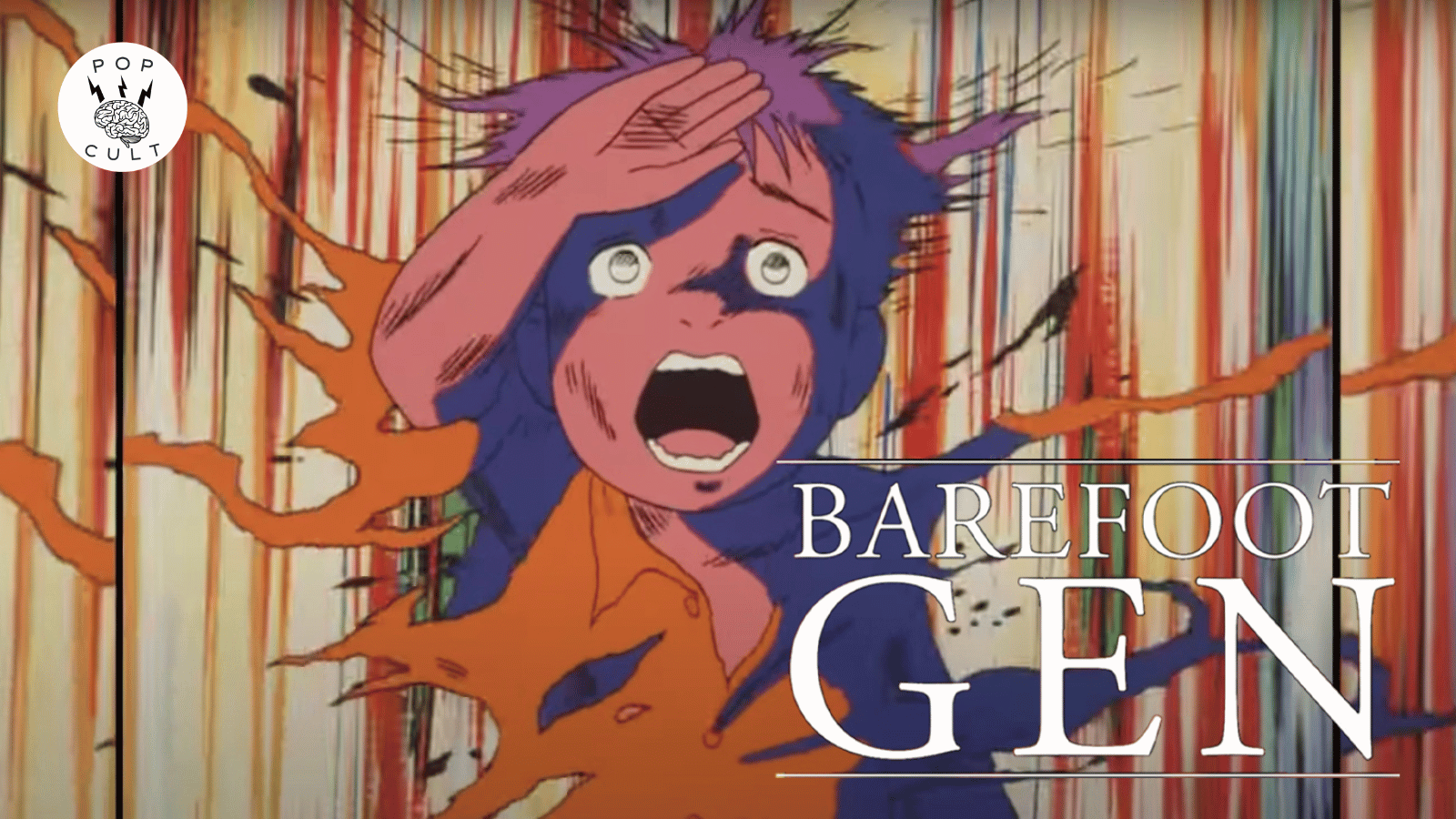
Movie Review – Barefoot Gen

Barefoot Gen (1983)
Written by Keiji Nakazawa
Directed by Mori Masaki

The moment when the bomb drops in Barefoot Gen shakes you. The film does an excellent job presenting itself as a slice of life initially. We follow a Japanese family. Learn their relationship dynamics. The parents discuss worries about the future. Mom is pregnant. Dad feels powerless in this fascist society. The kids argue & play. Then, without warning, the world turns into Hell. Flesh melts off bone. People are crushed to death. Some keep living, and we wonder if it might have been better if they died. You start to think about how little we’re taught in the United States about what happened after the bomb was dropped beyond “the end of the war.”

Continue reading “Movie Review – Barefoot Gen”

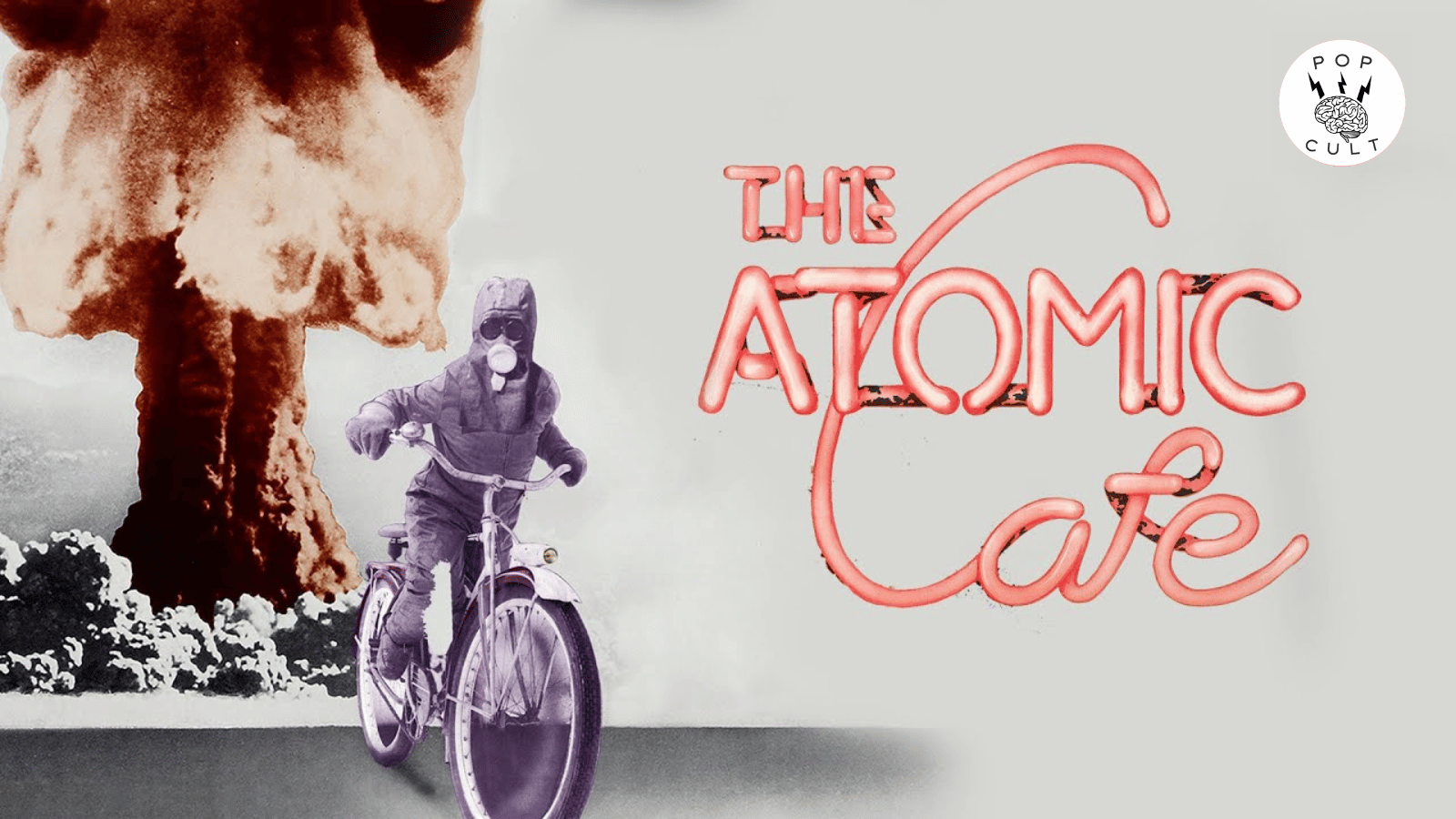
Movie Review – The Atomic Cafe

The Atomic Cafe (1982)
Written and directed by Kevin Rafferty, Jayne Loader, and Pierce Rafferty

The context of the atomic bomb at its inception is not the same as it was viewed by the public two decades later. Our relationship with this weapon of mass destruction continues to evolve. We no longer have children practice “duck and cover” drills under the fear that the Soviets or their allies might launch nukes on the United States. Those drills weren’t really about protecting anyone if a bomb was dropped. We can look at what happened to Hiroshima and Nagasaki to see that our buildings would be of little protection to anyone. Those drills were about instilling fear of communists in the population. This is quite ironic, as no communist nation has ever dropped an atomic weapon on a civilian population. That “honor” is held by one country on this planet, and they did it twice.

Continue reading “Movie Review – The Atomic Cafe”

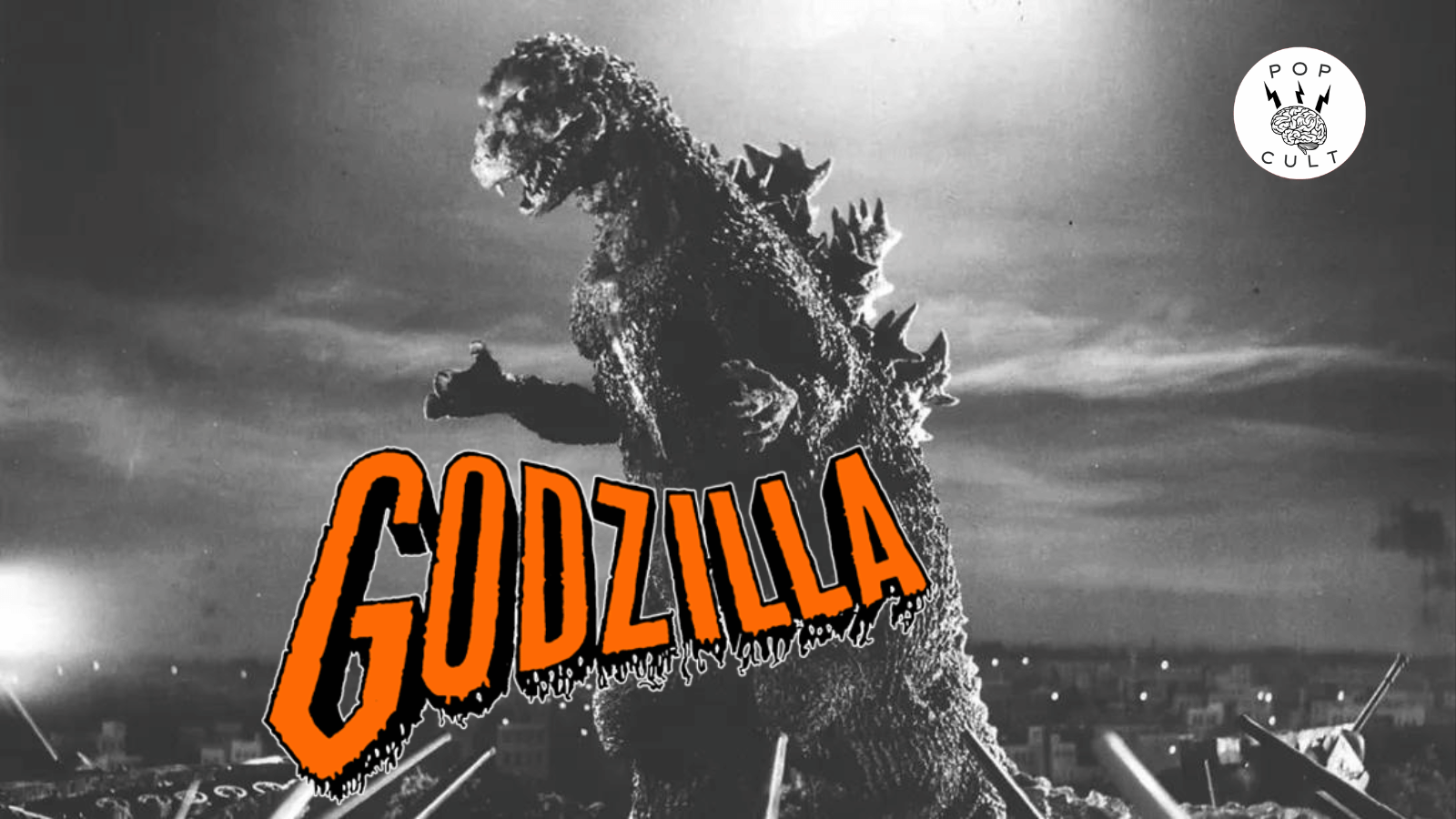
Movie Review – Godzilla, King of Monsters

Godzilla, King of the Monsters (1956)
Written by Shigeru Kayama, Takeo Murata, and Ishirō Honda
Directed by Ishirō Honda

6 August 1945. Hiroshima, Japan. Three American B-29 heavy bombers passed over the city. One of them, the Enola Gay, dropped a 15-kiloton atomic bomb. That is the equivalent of about 15 thousand tons of TNT. Over 100,000 Japanese civilians were killed. Those who didn’t die immediately were blinded by the flash of the bomb, were crushed under the weight of collapsing buildings, suffered radiation poisoning the following days and months, and more. The U.S. would drop another even larger bomb on Nagasaki. There were plans to drop yet a third bomb on Japanese civilians. Japan had been in talks with the Soviet Union to surrender and end the war. For the United States, a post-war era in which the USSR was seen as a hero was a danger. The atomic bombings of Japan are up there with the Holocaust as some of the most horrific acts of violence humanity has committed on itself. It’s no surprise that many films have been made about this event and the atomic bomb itself. In this series, I want to look at how the bombing is analyzed and made a part of the culture, both through the eyes of the Japanese and the perpetrating nation, the United States.

Continue reading “Movie Review – Godzilla, King of Monsters”