Today is my 39th birthday. Last year, I posted a film for every year I’d been alive, so this year I will present a collection of movies where birthdays play a crucial role in the plot. I’m quite excited about next year, where I will be starting a series on my 40 Favorite Films of All-Time. For now, there are some pictures where getting a year old causes some complications.
Dog Day Afternoon (1975, directed by Sidney Lumet)
Many people don’t think of this bank robbery film as LGBTQ if they are only familiar with from a pop culture reference standpoint. The main character, Sonny Wortzik (Al Pacino) is robbing the bank to get money for his lover, a transwoman, enough to pay for her transition surgery. This is a significant plot point in the second act, and I love how Lumet never tries to play the reveal for laughs. It’s accepted by everyone as just part of what is going down. This film is also a great anti-cop moving showing them as not all that intelligent, disorganized, and ultimately cruel. The classic scene where Pacino shouts “Attica!” refers to a prison rebellion from a few years prior, which ended with 33 inmates and 10 guards killed when the governor ordered state police to violently take back the facility.
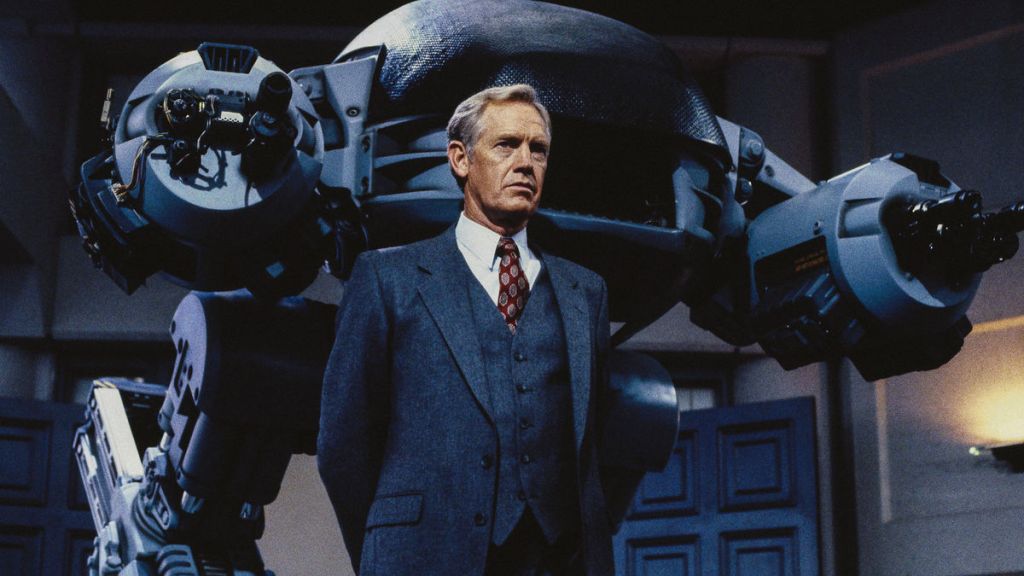
Robocop (1987, directed by Paul Verhoeven) As a kid, I thought movies like Robocop and Total Recall were cool for the special effects. As an adult, I’ve learned how subversive the pictures were on so many levels. There’s the over plot about OCP and its take over of the Detroit PD turning them into a private army. But there are some more nuanced points being presented in the film. Robocop represents the changes in industrialization. Once you have humans doing jobs like building cars in factories. Now robots do them more efficiently and at a faster pace. Robocop’s existence is a threat to the human police. However, he is also prophetic in his representation of the police’s militarization, and his counterpart ED-209 shows how this goes even more extreme. The world of Verhoeven’s future Detroit is chock full of commercials that represent different ideas that were present in 1980s America. There’s an advertisement for Nukem, a family board game where everyone engages in playing a nuclear war scenario and has a blast. The energy of these spots is so manic that it reflects the anxiety that comes with mass consumerism and a society moving inhumanely fast.
Return to Oz (Directed by Walter Murch) From my review: Return to Oz is in the same aesthetic and tonal vein as the Jim Henson dark fantasy films of the time, The Dark Crystal and Labyrinth. It also shares that label with non-Henson features like The Neverending Story and Legend. They all have the exterior trappings of fairy tales and children’s fantasies, but their themes and plots go into bleak psychological territory. As a child, I can remember some behind the scenes, making-of footage from Return to Oz, and it boring its way deep into my mind. I was determined to see this movie that challenged everything I knew from the classic Wizard of Oz. Return is one of those films I argue speaks to children’s interests in horror, how it can be empowering to watch horror films knowing you have control over when to stop it if it becomes too much.
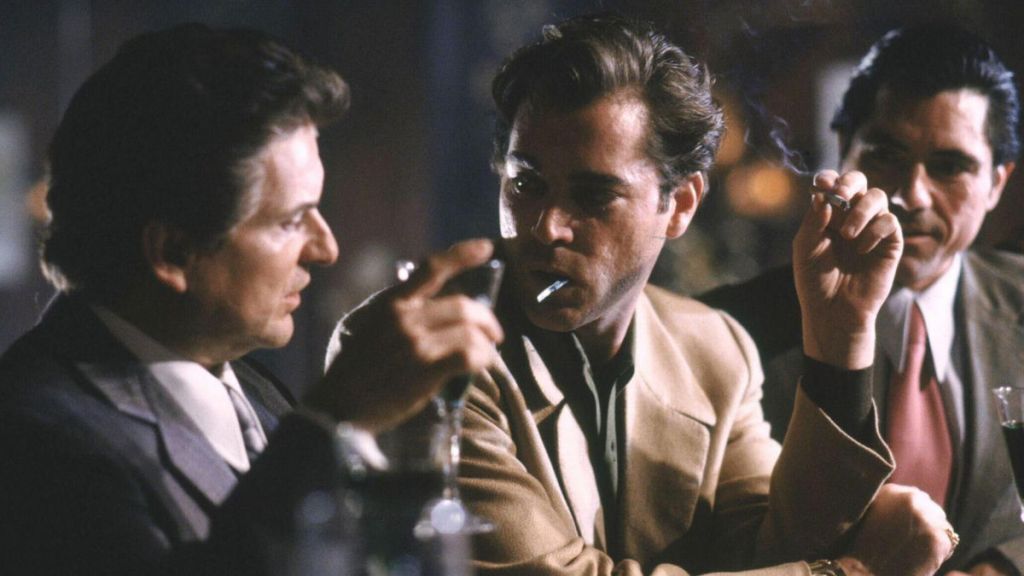
Goodfellas (directed by Martin Scorsese) No film came out in 1990 that comes anywhere close to Scorsese’s mobster masterpiece. The scope of the movie is epic, covering every post-War decade in America up to the point the picture was released. Scorsese has a lot to say about the American Dream and the disgusting, reprehensible acts that must be committed for people to lock-in their own. There’s also pulsing energy to this film that would go on to inform the rest of the decade, the director sets us off on this roller coaster. Characters are manic and insane, always in macho posturing with each other, never willing to budge an inch lest they are perceived as weak within their community. Goodfellas is the anti-Irishman, while that film is muted and contemplative, Goodfellas is the story of a man in his prime, drunk on power and money, not yet to that point of self-reflection while reality comes slamming down on top of him.
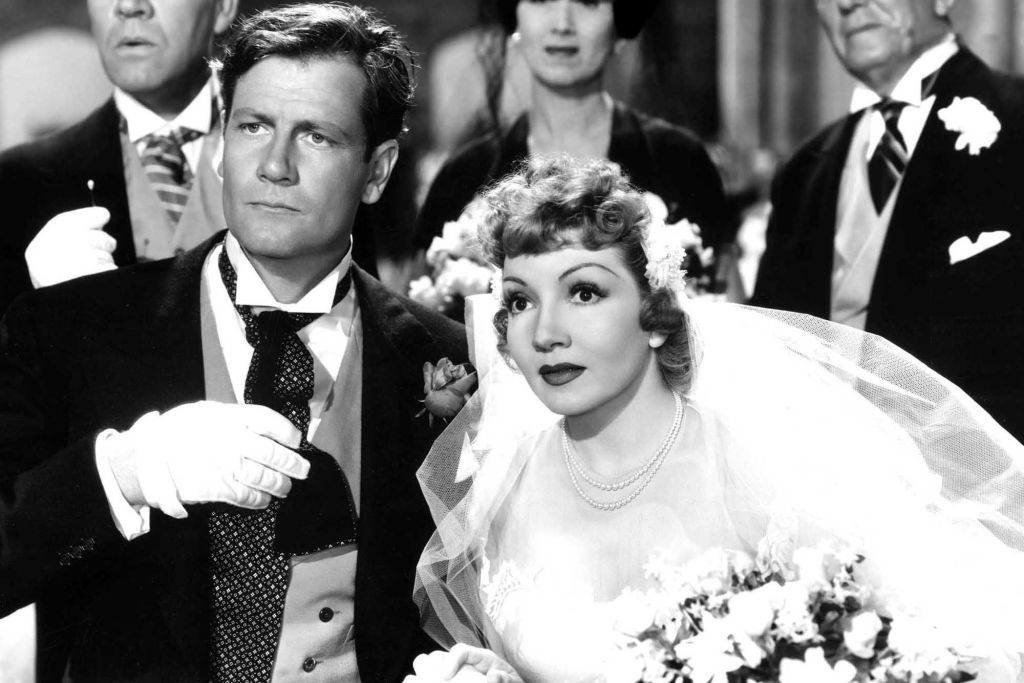
The Palm Beach Story (1942, directed by Preston Sturges)
From my review: This is the ur-text of screwball comedies, every core element boiled down to its purest essence. There are pratfalls galore, windows getting smashed, and people confusing each other for others. It exists as both an ode to the comedies of mixed-up identities from Shakespeare and commentary on the late stages of the Great Depression. This film will inspire future pictures like Some Like It Hot and Intolerable Cruelty, but it doesn’t put on airs of being profound or world-changing. This is a pure character-centered comedy that understands how important it is to have a diverse variety of roles.
It’s Valentine’s Weekend, so that means people are buying cheap chocolate and flowers en masse to profess their love for one another. Love is an emotion that’s been present in cinema since its inception. In 1896, William Heise released the short film The Kiss, one of the first publicly viewable movies. Since then, many stories have been told about people falling in and out of love, both comedic and tragic. Even some horrific. Here are my favorite movies about Love.
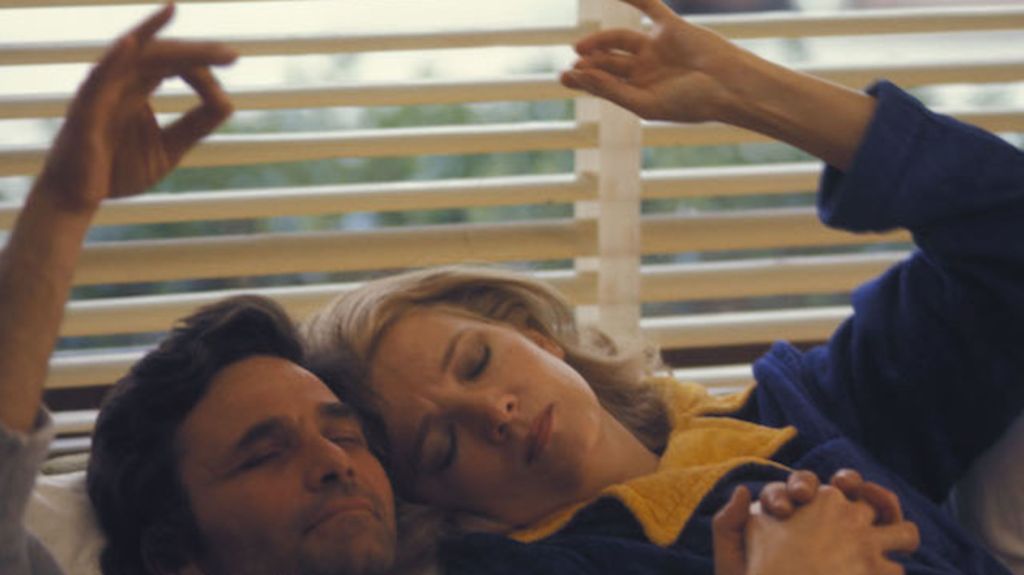
A Woman Under the Influence (1974, directed by John Cassavettes) John Cassavettes paved the way for independent film in America and made a name for himself as an iconoclastic director. His muse & wife was Gena Rowlands, who he cast as Mabel, the titular woman. Nick (Peter Falk) is her devoted husband, who notices Mabel’s behavior becoming erratic. While the film never labels Mabel’s condition, it’s clear she’s somewhere in the realm of bipolar disorder. Mabel ends up in an institution after attempting self-harm, and Nick thinks life can just go back to normal when she returns home. Cassavettes understood that true love could endure the most trying of circumstances, that people who really love each other can do so even when the one they care about doesn’t appear to love them back.
War is Hell. War is a racket. War is a problem that humans could get rid of and maybe will one day. Here are some films I think captures the darkness of war and the impact it has on human beings. If you have other movies you think are great anti-war pictures, leave them in the comments below. I might give them a watch.
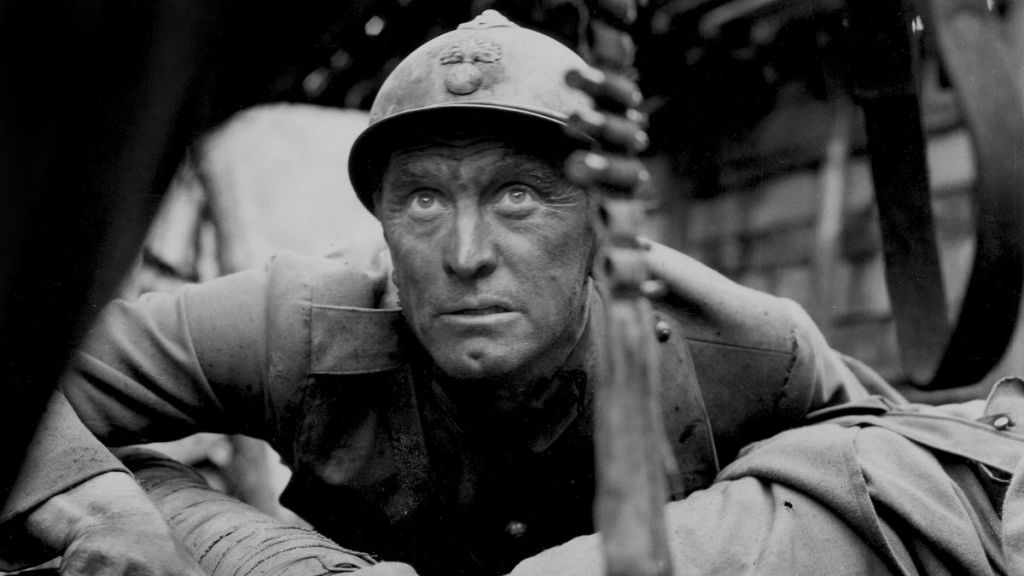
Paths of Glory (1957, directed by Stanley Kubrick) Stanley Kubrick made no bones about his stance on war in this film, Dr. Strangelove, and one more we’ll talk about down the list. Paths of Glory takes place in France during World War I. Kirk Douglas plays Colonel Dax, a military leader trying to keep his men from getting killed needlessly. The Generals decide to send a division on a suicide mission to slightly push back German forces. Everything descends into chaos, and in the aftermath, one general decides to court-martial 100 men for cowardice to cover his own ass. Dax explodes against his superiors and fights for his men, knowing it will fail. The final scene of this film is a powerful moment, a solemn quietness that belies the heavy cloud over young men unaware they are about to be sent to die.
There are a LOT of bad Stephen King movies out there. The Tommyknockers. Dreamcatcher. Maximum Overdrive. Sleepwalkers. Thinner. I’d argue there are more lousy King adaptations than good ones. But his work resonates with audiences so profoundly that I suspect the films will keep coming for far beyond his and our lifetimes. Here are my personal favorites of movies made based on his work with some thoughts about them.
Never before have I experience the type of drastic shift from confidence to disdain for a director as I have for M. Night Shyamalan over the last twenty years. It was twenty years ago this week, on August 6th of 1999 that his third feature film, The Sixth Sense, opened in theaters. I haven’t watched his first two films and am saving those for a later date because from all accounts The Sixth Sense was a significant sea change for the creator. It was the movie that made him into the household name he’s become, for better or worse. In honor of this twentieth anniversary, I decided to rank M. Night’s pictures.











 PopCult Reviews