Movie Review – Vampyr

Vampyr (1932)
Written by Christen Jul and Carl Theodor Dreyer
Directed by Carl Theodor Dreyer

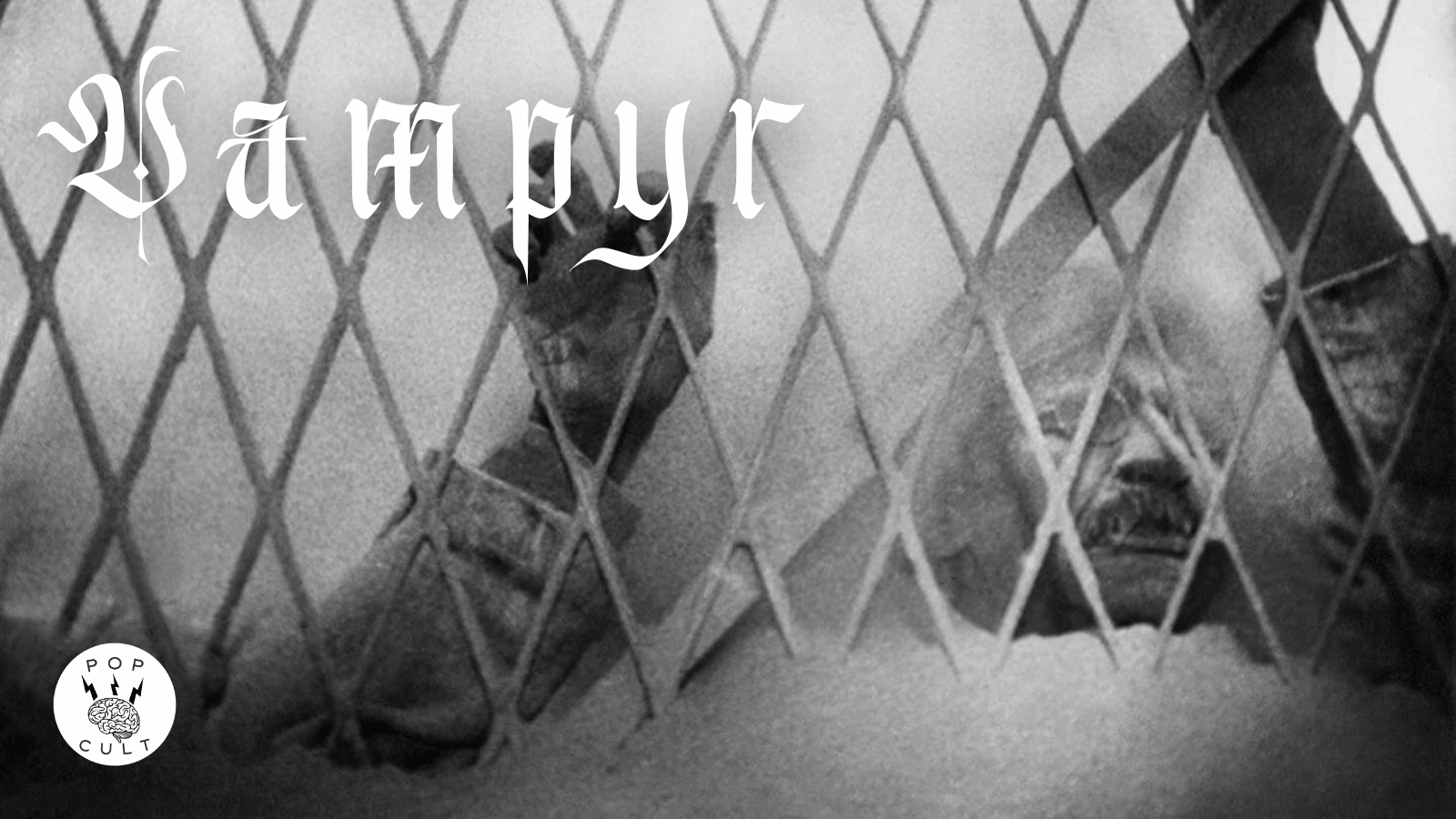
Vampyr is a strange, troubled movie. It was Danish filmmaker Carl Theodor Dryer’s follow-up to The Passion of Joan of Arc, one of the great silent masterpieces. Vampyr came about at a time of transition in films. Dreyer conceived of the film, based on a collection of ghost stories, as a silent picture. That DNA is still very present in the sparse spoken dialogue and the film’s emphasis on movement and camerawork. The end result is a mixed bag. There’s not enough story here to say it’s a compelling horror narrative. It feels more like an interesting mood piece that evokes the spooky tone of Halloween and creepy old houses.

Continue reading “Movie Review – Vampyr”
Movie Review – L’Atalante

L’Atalante (1934)
Written by Jean Vigo and Albert Riéra
Directed by Jean Vigo

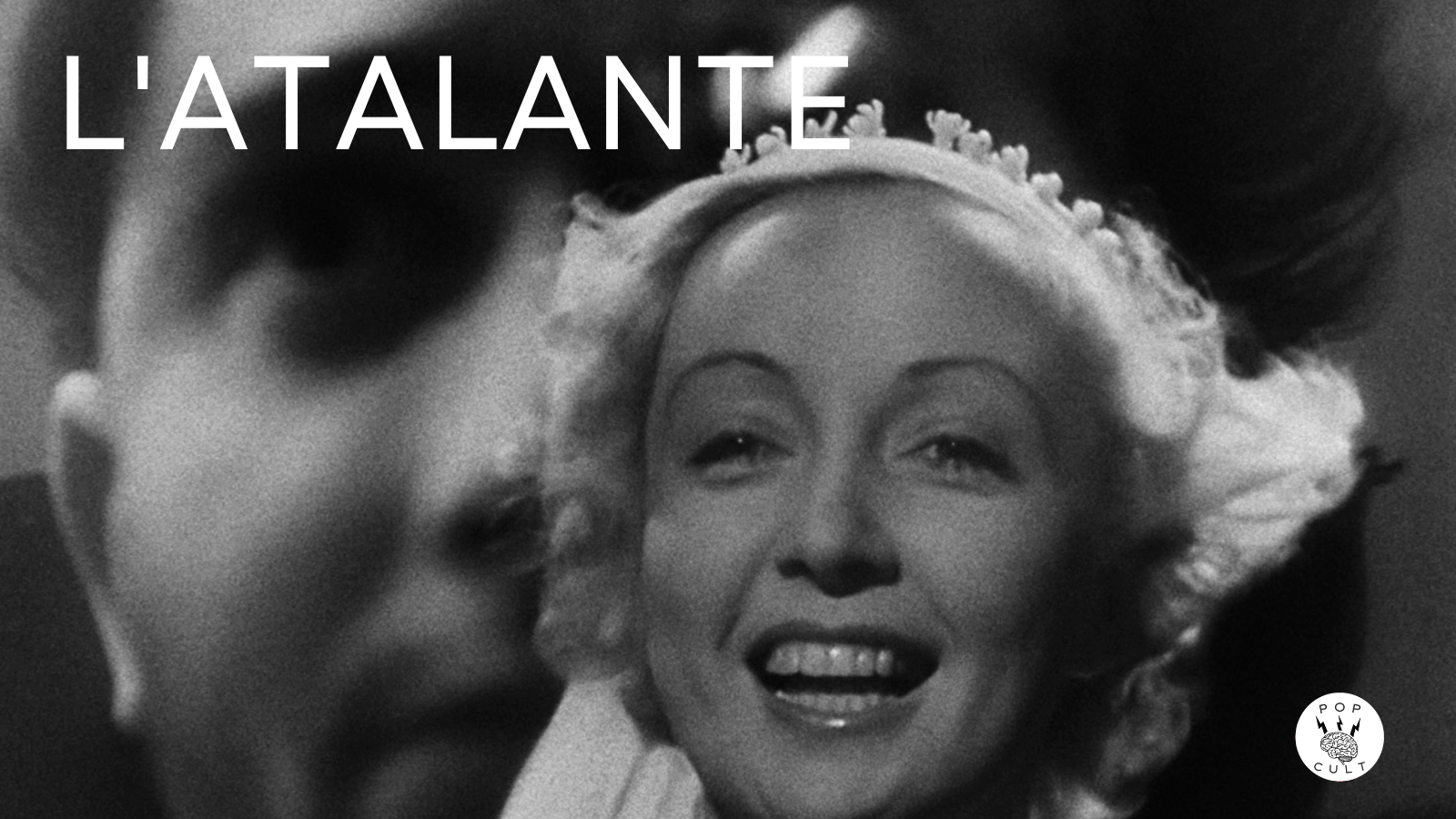
Jean Vigo was born to parents on the run. His father was a militant anarchist, and so much of his early life involved hiding from authorities with his parents. When Vigo was 12 years old, his father was murdered in prison, but the officials tried to pass it off as a suicide. Vigo would spend his teenage years in a boarding school under an assumed name for his protection. He got married at 26, had a daughter, and died at 29 from tuberculosis, which he’d had for eight years. As a filmmaker, he’s seen as establishing poetic realism in cinema and would inspire many of the French New Wave directors nearly thirty years after his death. Despite not living for that long, Vigo’s work exudes life and a rich understanding of the human experience.

Continue reading “Movie Review – L’Atalante”

Movie Review – M

M (1931)
Written by Fritz Lang and Thea von Harbou
Directed by Fritz Lang

David Fincher must really love this movie. Zodiac has oddly become a comfort watch for me, mainly because of the procedural nature of the story. Something is compellingThere’s about watching the various investigators – detectives, journalists, puzzle makers – stumbling through crime scenes & strange clues, trying to make sense of things while the city of San Francisco is experiencing an increase in paranoia & tension as a killer walks among them. Having finally watched Fritz Lang’s M, it’s evident that much of what I loved about Zodiac was Fincher’s riff on this German classic.

Continue reading “Movie Review – M”

Movie Review – Ninotchka

Ninotchka (1939)
Written by Charles Brackett, Billy Wilder, and Walter Reisch
Directed by Ernst Lubitsch

Ninotchka is a perfect example of Western anti-communist propaganda. The impetus of this film came from a three-sentence short story written by Jewish Hungarian author Melchior Lengyel. The story went like this: “Russian girl saturated with Bolshevist ideals goes to fearful, capitalistic, monopolistic Paris. She meets romance and has an uproarious good time. Capitalism not so bad, after all.” I can also point to evidence that the U.S. government acknowledged this was anti-Soviet propaganda because when MGM attempted to re-release it during World War II, it was suppressed. After all, the USSR was our ally. It is informative to look at archived material from that time, particularly Western publications like Time and Life magazines, as they often spoke glowingly about the Soviets and even Stalin. It seems they suddenly became “evil” when the United States decided to pivot post-war for their own gain. 

Continue reading “Movie Review – Ninotchka”

Movie Review – Angel

Angel (1937)
Written by Samson Raphaelson and Frederick Lonsdale
Directed by Ernst Lubitsch

Alfred Hitchcock was one of the directors who acknowledged Ernst Lubitsch’s influence on them. These filmmakers made very different types of movies, but sophistication was a common thread. They shied away from exploitation and tried to make pictures that challenged the audience’s intellect – one doing it comedically and the other through suspense. I think Angel is the most Hitchcockian Lubitsch film I’ve seen. While watching it, I was reminded of Vertigo. At the heart of this movie is a woman pretending to be someone else while keeping her private life hidden away. There is a man who pursues her out of curiosity. It’s not exactly like that classic Hitchcock film, but shares some structural threads.

Continue reading “Movie Review – Angel”

Movie Review – The Merry Widow

The Merry Widow (1934)
Written by Victor Léon, Leo Stein, Ernest Vajda, and Samson Raphaelson
Directed by Ernst Lubitsch

By the mid-1930s, Hollywood was worried by the talk from Washington, D.C., about the content of their films. The puritanical didn’t like what they saw coming from the West Coast, and discussions surrounding potential censoring had started. To head that off, the film industry chose to self-regulate and had then-Motion Picture Producers and Distributors of America (MPPDA) president Will H. Hays lead the development of a list of restrictions the studios would agree to. Key among these was the removal of nudity (explicit or suggested) or “any inference of sex perversion.” These were among the Don’ts, but there was also a list of twenty-six “Be Carefuls” which included anything related to sex. Thus began an era where American cinema failed to acknowledge a primary tenant of the human experience. But before that was rolled out, we got one of the most expensive & impressive pre-code movies.

Continue reading “Movie Review – The Merry Widow”

Movie Review – Design for Living

Design for Living (1933)
Written by Noel Coward & Ben Hecht
Directed by Ernst Lubitsch

With Ernst Lubitsch’s penchant for directing films based on stage plays, it made sense that Noel Coward’s work would eventually cross his desk. Coward was a gay man living in a time where being out was a perilous move, so he was never publicly open about his sexuality. However, when you see him acting or in an interview, it becomes pretty apparent he is not straight. Because Coward was both queer and an artist, the people who regularly crossed his path also lived outside society’s rigid norms. Alfred Lunt and Lynn Fontanne were two acting friends of Coward’s with whom he became very close. He promised that one day he would write a play about them, and when they were famous, they would star in it. This play would be about an unconventional relationship between three people and would eventually be adapted into this Hollywood feature film.

Continue reading “Movie Review – Design for Living”

Movie Review – Trouble in Paradise

Trouble in Paradise (1932)
Written by Samson Raphaelson, Grover Jones, and Ernst Lubitsch
Directed by Ernst Lubitsch

Ernst Lubitsch turned his back on his father’s tailoring business to go into movies. Lubitsch was a German-born Ashkenazi Jew. By age 19, he was a member of a prestigious German theater, and two years later, he made his screen debut. After appearing in 30 films between 1912 and 1920, Lubitsch realized his passion was not in performing but as a writer and director. He garnered international acclaim with his German films. Of his three films released in 1921, all three ended up on The New York Times’ top movies list. By the end of 1921, Lubitsch was sailing to the United States, where he would begin a prolific career that would serve to influence other filmmakers, from Alfred Hitchcock to Billy Wilder to Martin Scorsese and more. The thing that makes Lubitsch’s work stand out from his contemporaries is maturity, particularly an acceptance that human beings have and enjoy sex.

Continue reading “Movie Review – Trouble in Paradise”

Movie Review – The Rules of the Game

The Rules of the Game (1939)
Written by Jean Renoir and Carl Koch
Directed by Jean Renoir

Lately, I have spent much time wondering what it felt like for the average person in the West during the lead-up to World War II. Did people sense something in the air that the world was about to change? Was there a palpable unease as you started to see where allegiances lay among the people around you? BIPOC, LGBTQ, and disabled people were already keenly aware of how nasty the dominant class could be. But what about the average white person? The ones who get a few more crumbs when brushed off the table by the wealthy, could they feel the fangs of something dark & horrible sinking into this world? Or was it business as usual?

Continue reading “Movie Review – The Rules of the Game”

Movie Review – Grand Illusion

Grand Illusion (1937)
Written by Jean Renoir and Charles Spaak
Directed by Jean Renoir

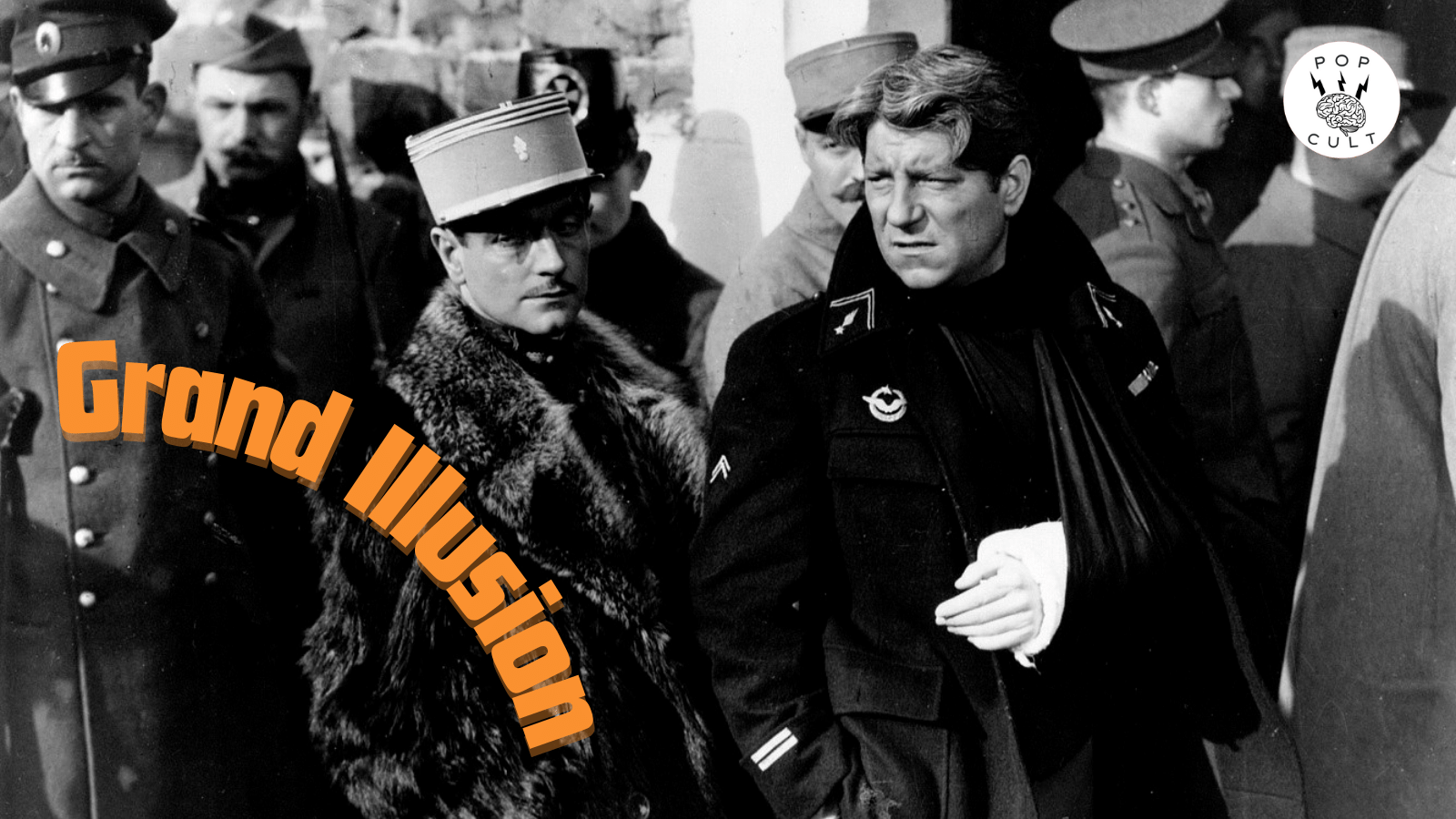
The actor/filmmaker Warren Beatty tells how, near the start of his career after making Splendor in the Grass, he was at a party where he met playwright Clifford Odets. Odets mentioned in passing the films of Jean Renoir, who was also at the same party. Beatty had yet to learn who this was but knew the name. “Renoir? Like the painter?” In Beatty’s words, Odets was “too kind” and didn’t embarrass him. He told the young actor yes. Jean Renoir is the son of the French impressionist painter Pierre-Auguste Renoir. The playwright suggested Beatty track down Grand Illusion and The Rules of the Game to better acquaint himself with the work of Renoir. Beatty got copies of both and a 16mm projector. Afterward, he remarked: “These may be the best movies I have ever seen.”

Continue reading “Movie Review – Grand Illusion”