

This week we’ve got a close-up examination of a complicated mother/daughter relationship and a woman going on a surreal odyssey through her past lives.
Continue reading “PopCult Podcast – Janet Planet/The Beast”This week we’ve got a close-up examination of a complicated mother/daughter relationship and a woman going on a surreal odyssey through her past lives.
Continue reading “PopCult Podcast – Janet Planet/The Beast”
Au Hasard Balthazar (1966)
Written and directed by Robert Bresson
Robert Bresson was not a part of the French New Wave. He was in his fifties by the time Godard, Truffaut, and company started their cinematic revolution. Bresson is a reminder that French films were already doing things far differently from their Hollywood counterparts. When you watch a Bresson film, you might feel a distance from yourself and his characters, which can be misinterpreted as “coldness.” To understand Bresson and his work, you need to know of his three primary influences: His Catholic upbringing, his time as a prisoner of war, and his love of art, particularly painting. He was never interested in filmmaking as a way to create great wealth, though he lived comfortably his whole life. Instead, film was the most apt means for the director to express his thoughts about the human condition.
Continue reading “Movie Review – Au Hasard Balthazar”
The Passion of Joan of Arc (1928)
Written by Joseph Delteil and Carl Theodor Dreyer
Directed by Carl Theodor Dreyer
How could a Dane make a film about Joan of Arc and do her story any justice? This was the sentiment of many French nationalists when Carl Theodor Dreyer was invited by the Société Générale des Films to make a film about the historical figure as her popularity resurged in the 1920s. Dreyer spent a year studying the transcripts of her trial before starting to write the script. He would cast Renée Jeanne Falconetti as Joan, an actress who never appeared in another film and died at age 54 by suicide. When it was released, various institutions deplored the picture. The French government censored it so as not to offend Catholics. It was banned in the U.K. due to its accurate depiction of English soldiers. Critics claimed it was a bore and gave it poor reviews. Yet, decades later, it is hailed as one of the greatest films ever made.
Continue reading “Movie Review – The Passion of Joan of Arc”This special reward is available to Patreon patrons who pledge at the $10 or $20 monthly levels. Each month, those patrons will pick a film for me to review. If they choose, they also get to include some of their thoughts about the movie. This Pick comes from Bekah Lindstrom.

Betty Blue (1986)
Written and directed by Jean-Jacques Beineix
Certain movies don’t take long to reveal that they were written by a man who has difficulty seeing women as anything other than to make a man feel good about himself. Betty Blue is such a movie, rife with all the cliches of French cinema. That doesn’t make it a disposable, awful film. It comes across as more comical with how severe and melodramatic it sometimes takes itself. The film is also a great example of a very particular subgenre of cinema called Cinéma du look. The term was coined by critic Raphaël Bassan in 1989 and has been applied to the films of Luc Besson and Leos Carax. It’s style over substance, spectacle over narrative. It’s slick commercial aesthetics with a focus on the alienated in society. It’s also very male-gaze-y.
Continue reading “Patron Pick – Betty Blue”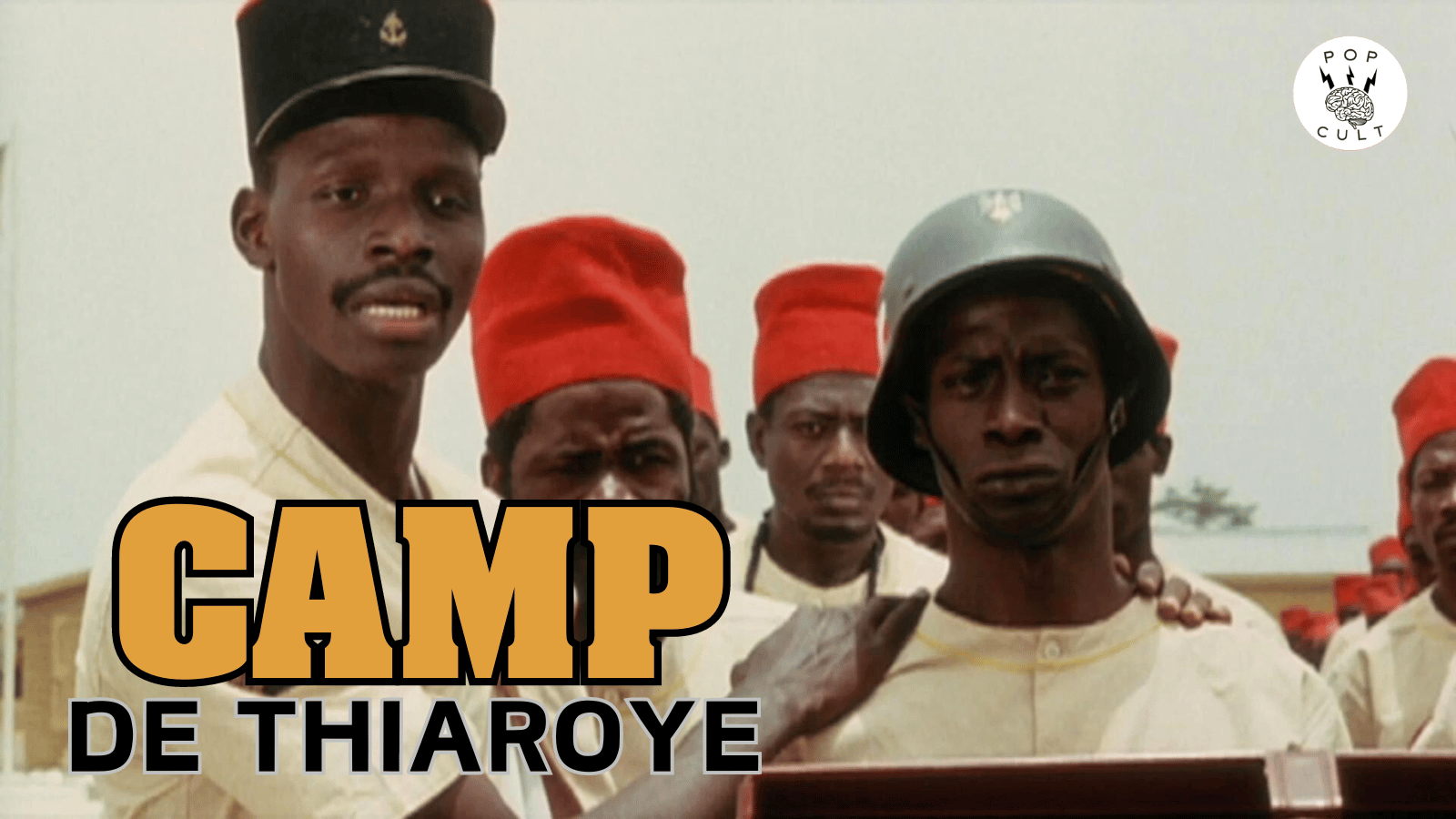
Camp de Thiaroye (1988)
Written and directed by Ousmane Sembene and Thierno Faty Sow
Few things are accepted as fundamental as a person being paid for their labor. However, it was not that long ago that slavery was an open practice in the West and its colonized territories. Don’t get me wrong. Slavery isn’t gone. The specific Transatlantic slave trade was dissolved, yes, but slavery persists to this day. Prison labor is a form of slavery. Debt of all kinds is used to keep people under the boot. Human trafficking is a rampant problem that sees no end in sight. The Thiaroye massacre should come as no surprise then, yet still, it outrages the decent among us.
Continue reading “Movie Review – Camp de Thiaroye”
Irma Vep (HBO)
Written and directed by Olivier Assayas
I can’t say I have ever been enamored with the work of Olivier Assayas. I’ve seen several of his films: Irma Vep, Summer Hours, and Personal Shopper. They are not bad films by any means, but I never fell in love with his work like I have with other directors. Having just recently watched and reviewed the original Irma Vep, I decided to check out his 2022 television adaptation of the film, wondering why he would choose to revisit this and what the project would add to the original movie. Once again, I walked away, unsure how to feel. I was not unimpressed but certainly not head over heels.
Continue reading “TV Review – Irma Vep”
Emitaï (1971)
Written and directed by Ousmane Sembène
To combat the Nazi occupation back home, the Vichy government (the official French State government during WWII) would conscript men from the lands they occupied in West Africa. These men would be shipped into Europe, where they were made to fight in that war. Ousmane Sembène devoted several of his films to this practice. This one focuses on the way the French government would slowly exploit & drain people already living in abject poverty for the sake of the empire. It’s probably Sembène’s most straightforward film, which shows he wanted to be very precise & clear in what he shows us.
Continue reading “Movie Review – Emitaï”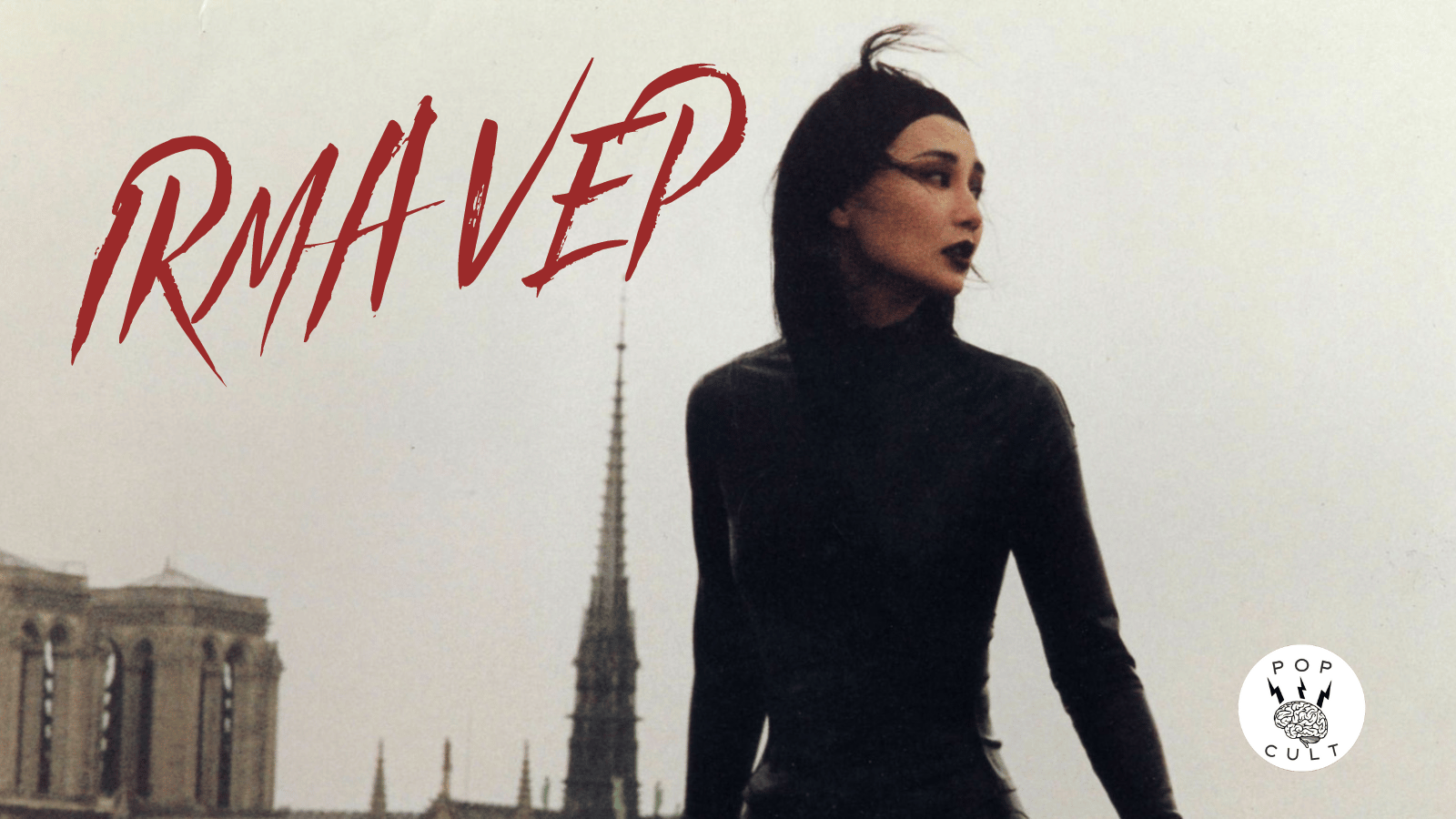
Irma Vep (1996)
Written and directed by Olivier Assayas
“Cinema” is a term used to describe the production of films as an art or industry. Now, those are two very different terms, art and industry. They are the two points of tension that films have endured since they became popularized. In reading Hollywood: An Oral History last year, I was fascinated with the early chapters in how the interviewees describe how American film enthusiasts were just slapping together things and figuring out what these “movies” were or could be.
Continue reading “Movie Review – Irma Vep”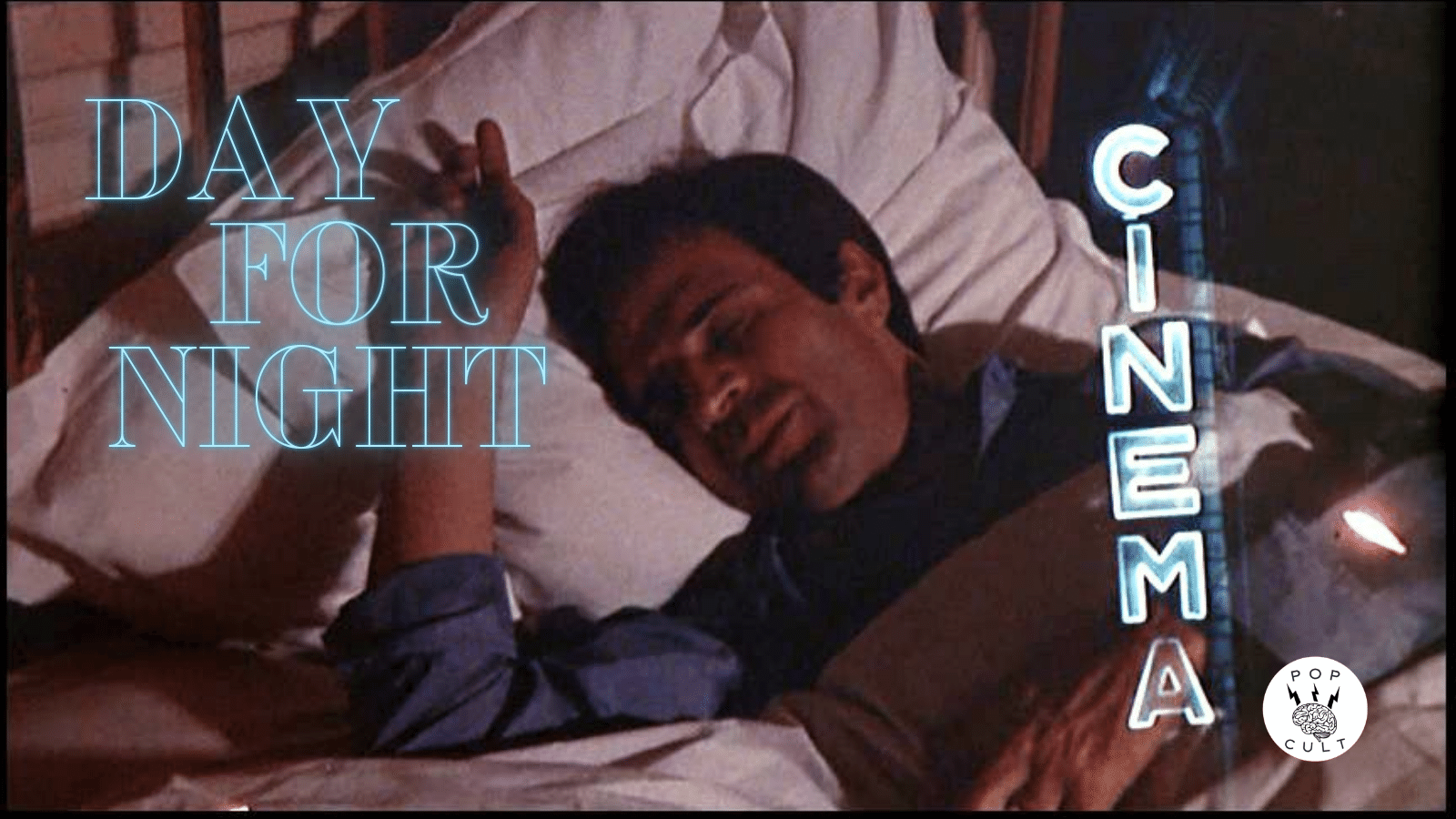
Day For Night (1973)
Written by François Truffaut, Jean-Louis Richard, and Suzanne Schiffman
Directed by François Truffaut
Like Jean-Luc Godard (Contempt), Francois Truffaut seemed like someone born in a movie theater. One of the French New Wave movement’s founders, Truffaut, felt cinema in a way few people do. They were certainly not the same and had a very contentious relationship as colleagues. Godard’s approach was to tear down norms, push back against expectations, and embrace a sometimes mechanistic view of the form. Truffaut was far more into the pathos of his work, wanting it to be relatable, often adopting a very sensual approach to his films. Day For Night was Truffaut’s self-reflexive movie, something for his longtime fans but also an exploration of why people make these pictures in the first place.
Continue reading “Movie Review – Day For Night”
Contempt (1963)
Written and directed by Jean-Luc Godard
In doing a film series spotlighting Movies About Movies, there’s no way we could exclude Contempt from this list. Filmmakers like Jean-Luc Godard were lovers & critics of the medium first before they exploded the form and sent cinema hurtling down a magnificent track for about 20-30 years or so. Godard was a profoundly complicated person, and I think he was likely neurodivergent, or at least his work was inspired by a neurodivergent perspective. There’s an intense focus on what most people might see as unimportant or the constant repetitive movements or behaviors of people.
Continue reading “Movie Review – Contempt” PopCult Reviews