Movie Review – Moolaadé

Moolaadé (2004)
Written and directed by Ousmane Sembène

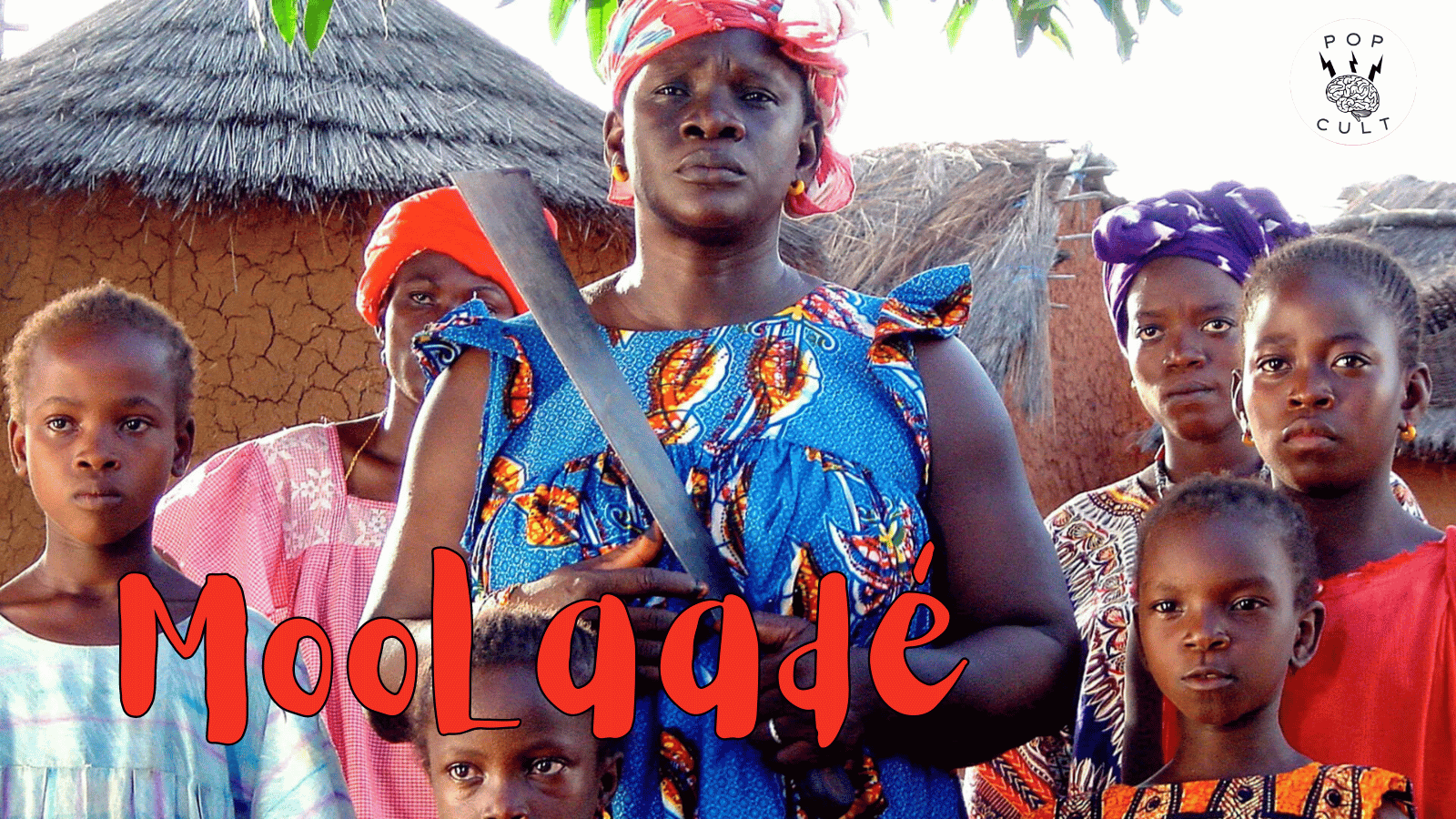
This was Ousmane Sembène’s final film. He passed away in Dakar in 2007 at the age of 84. For this last picture, the filmmaker focused his energy on a critique of his own culture. Female genital mutilation or circumcision is a common practice in several African countries. It’s traditionally performed with an iron sheet or knife. An elder will remove part or all of the female genitals with no anesthesia and then suture the wound with a needle or plant thorn. As much as 15% of girls forced to endure the procedure die from excessive blood loss or the infections that follow. Sembène wants to intensely critique his culture and highlight how some traditions must stop.

Continue reading “Movie Review – Moolaadé”
Movie Review – Camp de Thiaroye

Camp de Thiaroye (1988)
Written and directed by Ousmane Sembene and Thierno Faty Sow

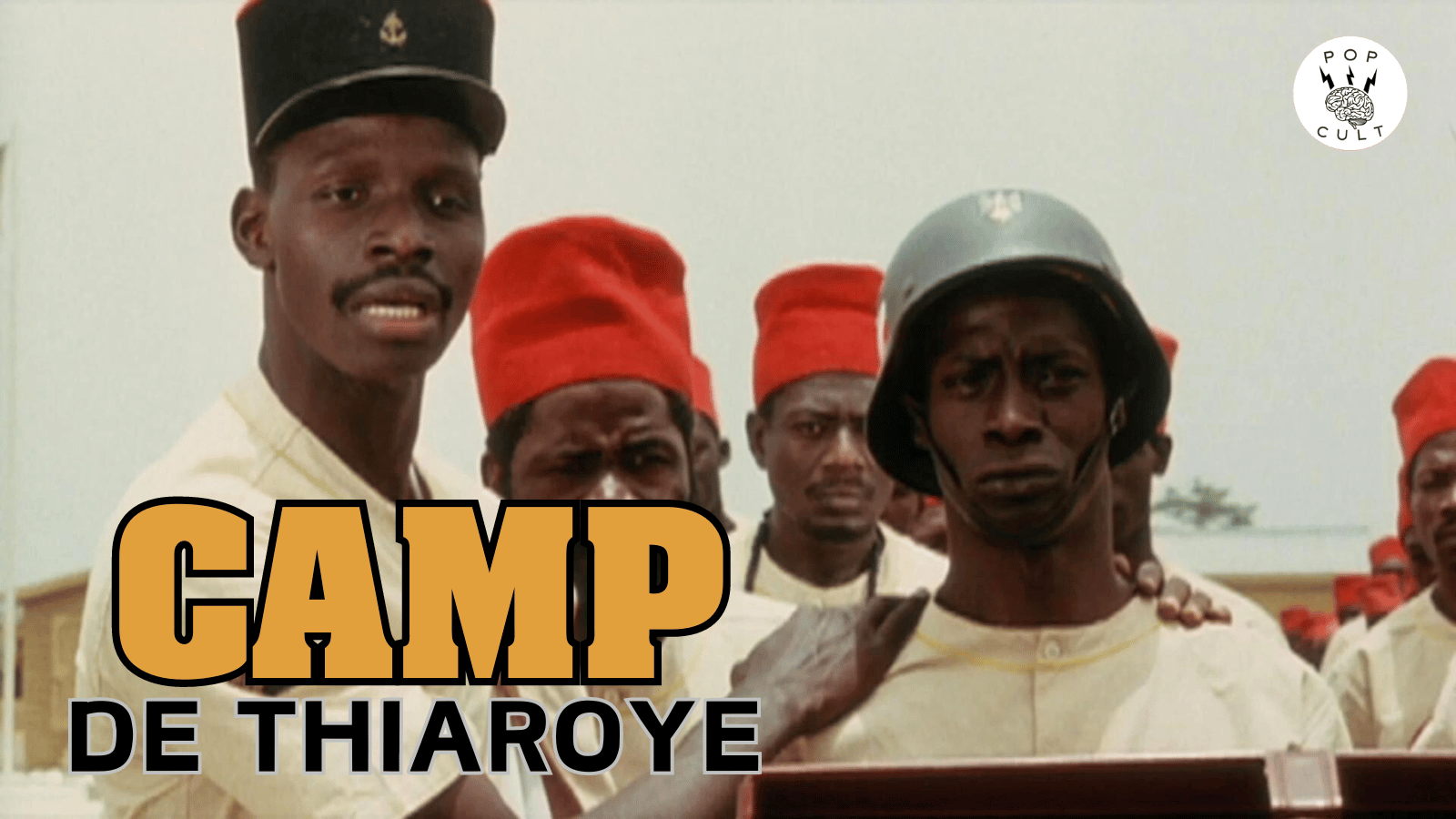
Few things are accepted as fundamental as a person being paid for their labor. However, it was not that long ago that slavery was an open practice in the West and its colonized territories. Don’t get me wrong. Slavery isn’t gone. The specific Transatlantic slave trade was dissolved, yes, but slavery persists to this day. Prison labor is a form of slavery. Debt of all kinds is used to keep people under the boot. Human trafficking is a rampant problem that sees no end in sight. The Thiaroye massacre should come as no surprise then, yet still, it outrages the decent among us.

Continue reading “Movie Review – Camp de Thiaroye”

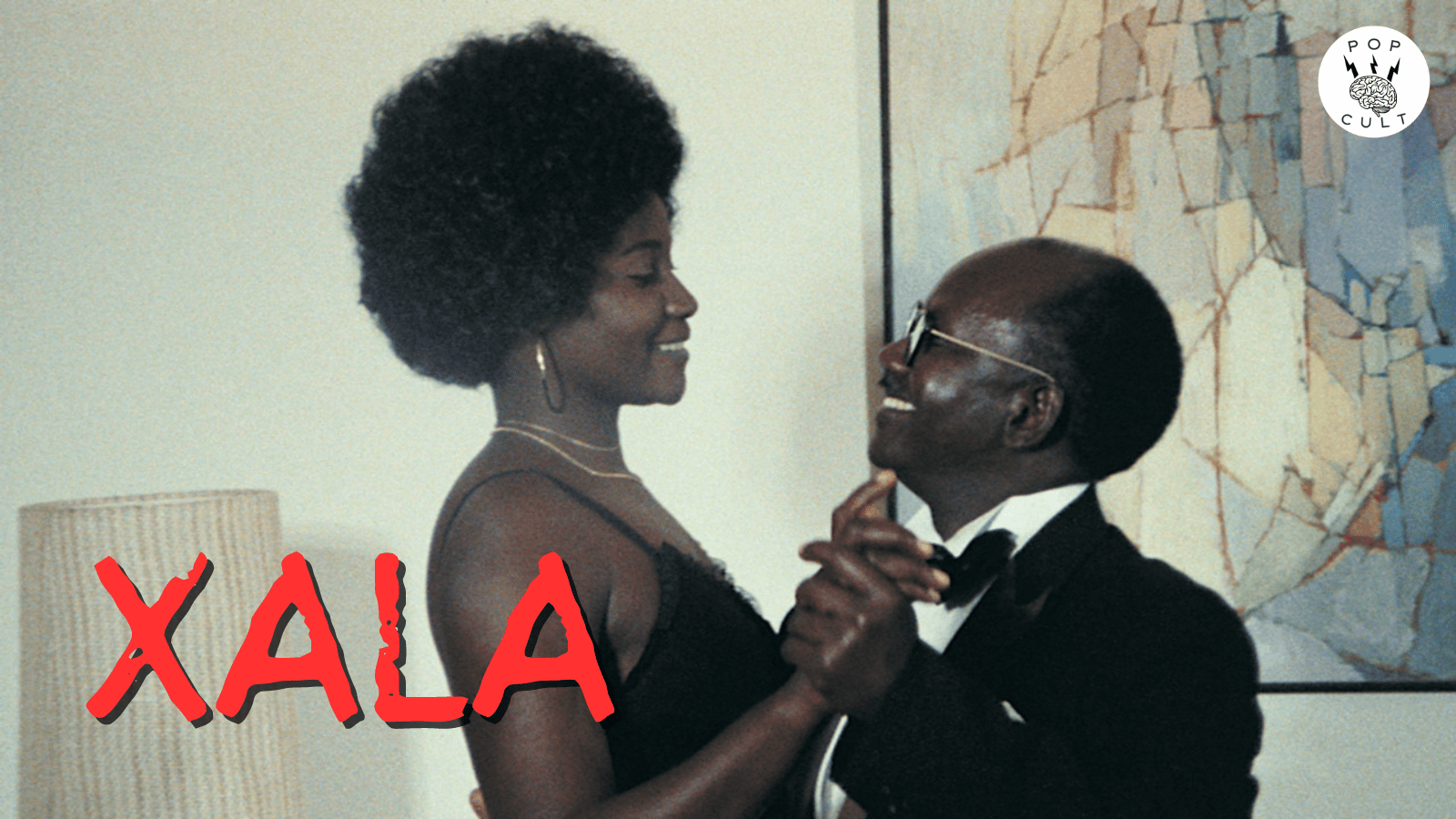
Movie Review – Xala

Xala (1975)
Written and directed by Ousmane Sembène

In the mid-15th century, the Portuguese landed on the shores of Senegal and began a centuries-long occupation that included the British, the Dutch, and the French. It would not be until 1958 that Senegal declared its independence and merged with French Sudan to form the Mali Federation. That would not last long, and by 1960, they went back to their individual states. The process of decolonization is not quick & easy. When the colonizers withdraw, there is still tremendous work to do, a lot of which centers around removing the ideologies & ways of doing imposed on the colonized people by their occupiers. Ousmane Sembène is keenly aware of this, and in his film Xala, he produces an angry screed at how Western capitalism is allowed to fester in the systems of the post-colonial African people.

Continue reading “Movie Review – Xala”

Movie Review – Emitaï

Emitaï (1971)
Written and directed by Ousmane Sembène

To combat the Nazi occupation back home, the Vichy government (the official French State government during WWII) would conscript men from the lands they occupied in West Africa. These men would be shipped into Europe, where they were made to fight in that war. Ousmane Sembène devoted several of his films to this practice. This one focuses on the way the French government would slowly exploit & drain people already living in abject poverty for the sake of the empire. It’s probably Sembène’s most straightforward film, which shows he wanted to be very precise & clear in what he shows us.

Continue reading “Movie Review – Emitaï”

Movie Review – Mandabi

Mandabi (1968)
Written and directed by Ousmane Sembène

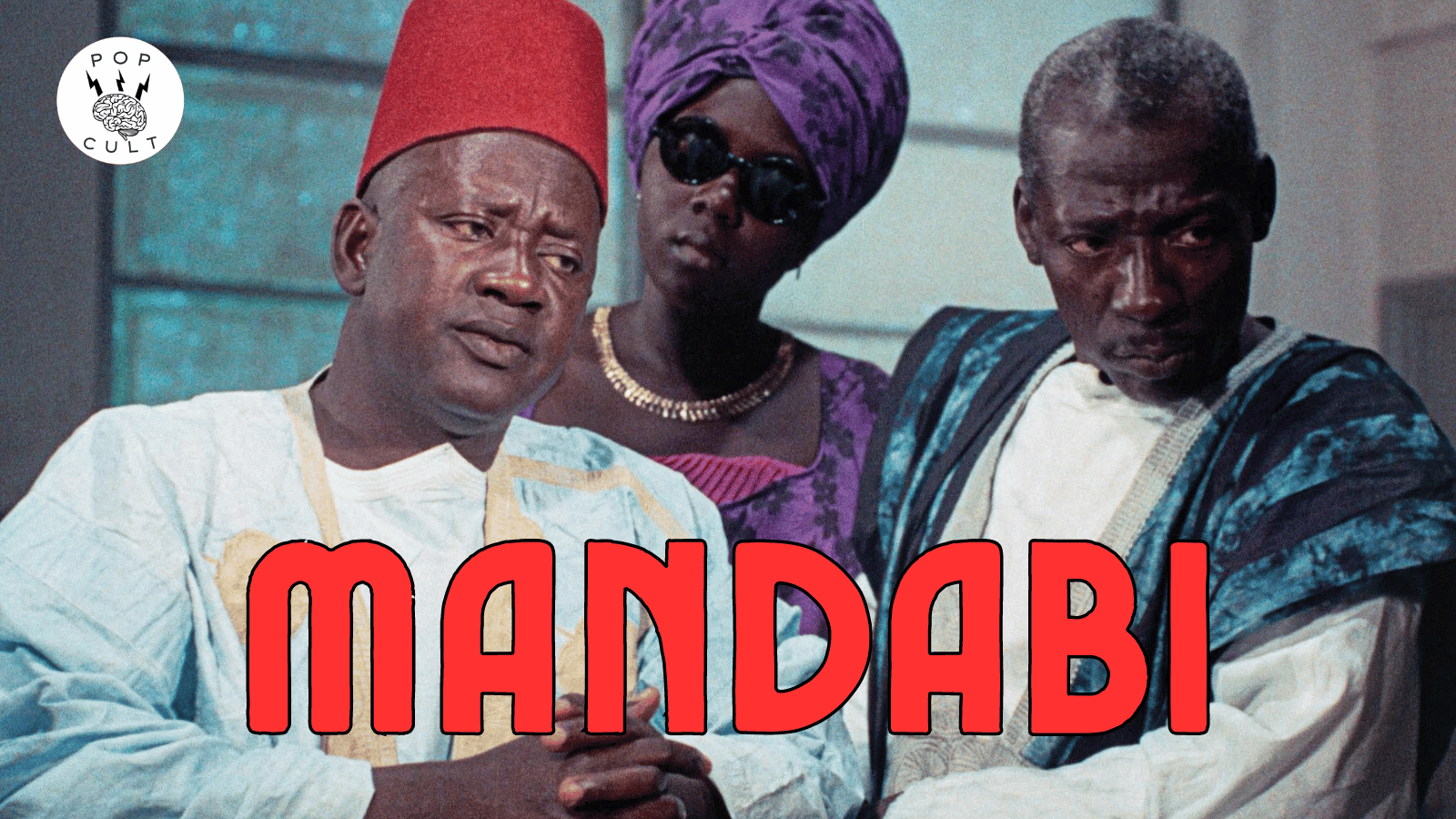
Despite the brutal French colonial presence in Senegal, most Senegalese do not understand or speak French. This led Ousmane Sembène to want to make a film entirely in the indigenous tongue of Wolof. Like most of Sembène’s work, it was almost lost to us. Film prints were locked away in vaults in France. Sembène’s son, Alain, and filmmaker Martin Scorsese worked together, slogging through bureaucratic hell to get the films in their hands for restoration. 

Continue reading “Movie Review – Mandabi”

Movie Review – Black Girl

Black Girl (1966)
Written and directed by Ousmane Sembène

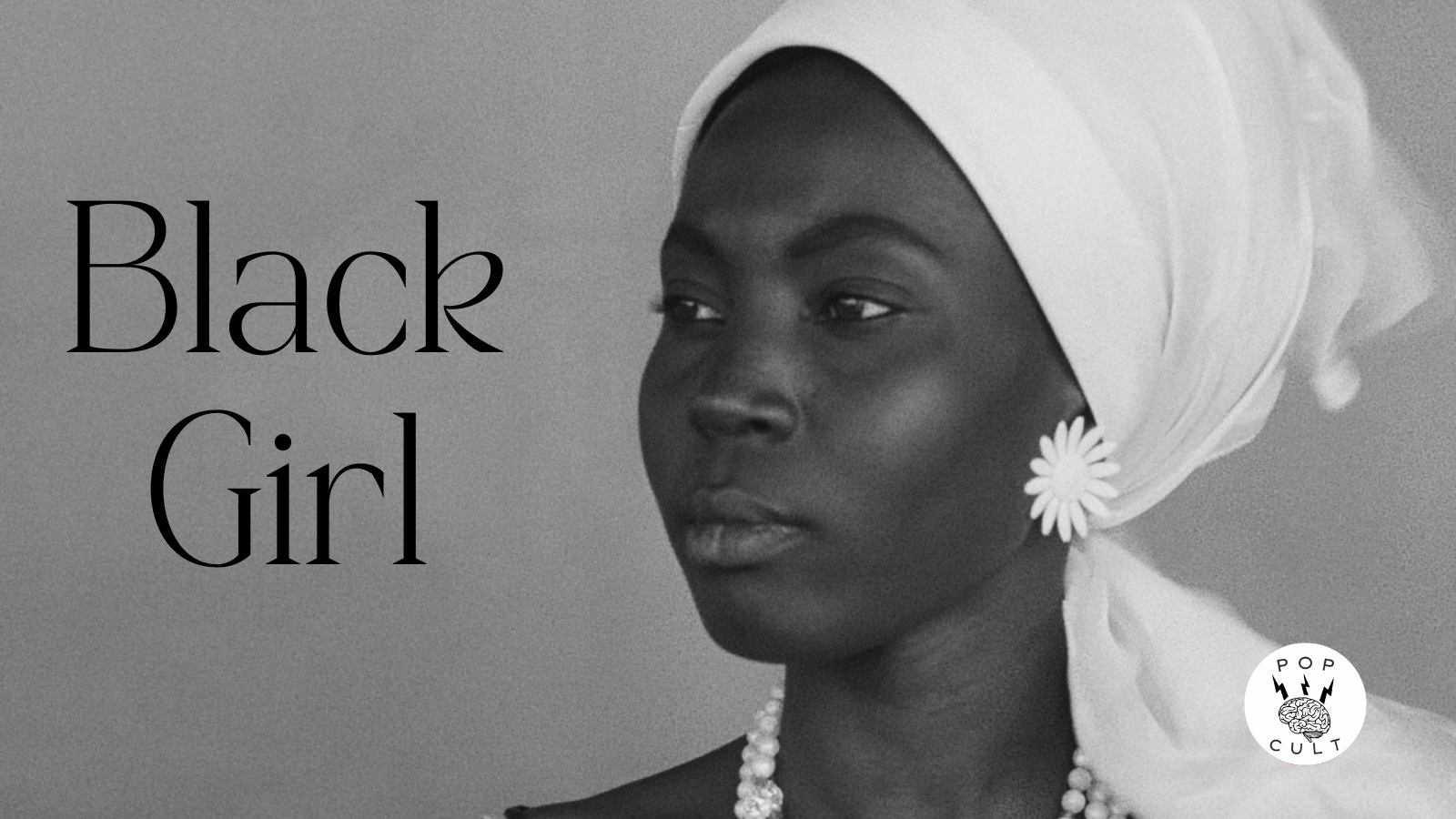
I had never heard of this film until a few years ago. I didn’t learn the name of its writer-director, Ousmane Sembène (pronounced Oos-man Sem-ben), until last year. I have to ask why that is. Why do I know the names and filmographies of a whole host of directors, but if I were to be asked about African cinema, I would draw a blank? At most, I probably could have come with Neill Blomkamp, a white South African. But no indigenous African filmmakers? I should have known who Sembène was long ago; he’s considered the “father of African cinema” and has been named one of the greatest authors of that continent. The reason I didn’t know this person was because the society I grew up in is profoundly racist, and so someone like Sembène is seen as unworthy of attention.

Continue reading “Movie Review – Black Girl”