
Blade Runner 2049
Written by Hampton Fancher and Michael Green
Directed by Denis Villeneuve

In the wake of the first film’s events, the Tyrell line of replicants have been discarded, and a new company run by Niander Wallace has rolled out a “better” model of replicant, one that is more compliant to their human superiors. A Blade Runner named K is one of these and regularly dispatches the older models who have managed to hide on the fringes of society. That is until one case reveals one of the most significant discoveries in humanity’s history, an event that could change the very fabric of society if it got out. K is told to make sure this secret never gets out and goes on a journey to search out the story behind the mystery. This leads him beyond Los Angeles and across the scarred futuristic landscape, ultimately to a truth about himself.
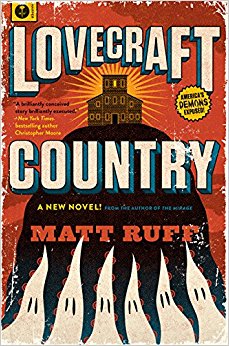 Black Army veteran Atticus Turner has come home to 1950s Chicago to find his father missing. Atticus suspects something sinister when he learns his volatile and proud father was seen leaving with a white man. With help from Uncle George and childhood friend Letitia, they travel to a remote village in New England. A conspiracy is uncovered and seemingly resolved in the first chapter. From there, the book is a series of interconnected short stories leading up to a finale where all the spotlighted characters converge for a resolution against the evil throughout the novel.





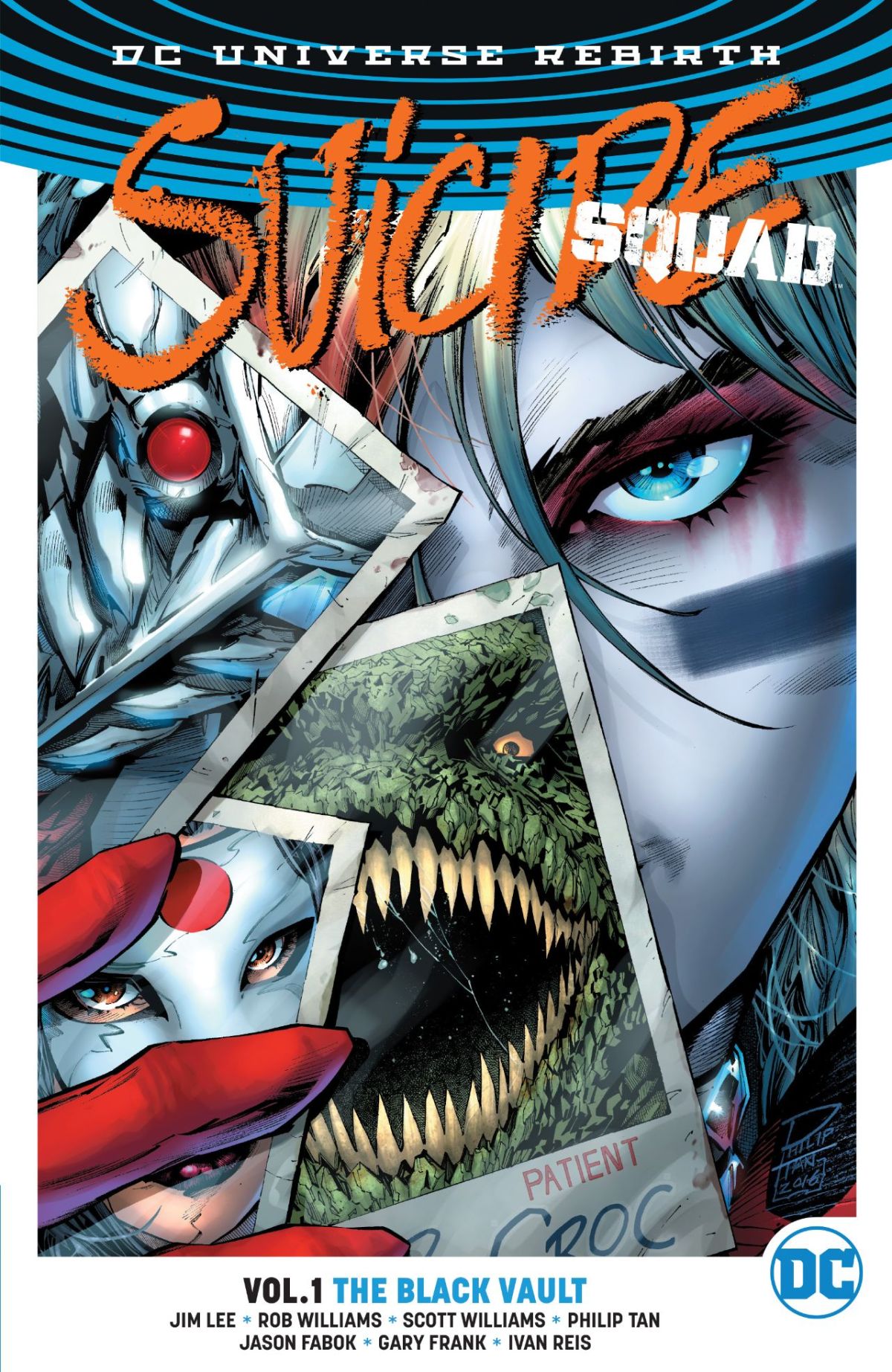

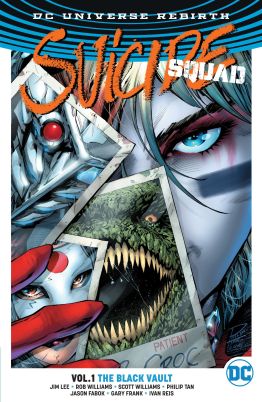 Colonel Rick Flag is brought into Task Force X by Amanda Waller to lead the latest iteration of Suicide Squad. This time around the team is intentionally modeled after the line up in the film adaptation. We have Deadshot, Harley Quinn, Captain Boomerang, Katana, Enchantress, and Killer Croc. Along the way, a couple more additions are made, but the intent to shape the team after the film is very apparent. The Black Vault where powerful cosmic items are stored and one particular item becomes the crux of this story.
 PopCult Reviews